
The child was identified by her mother by the clothes she was wearing. Shipwrecks remain a common and tragic occurrence along the Aegean Sea, where the Greek island of Samos sits.
The body of a seven-year-old girl was discovered on the beach of Psili Ammos area of the Greek island of Samos in the early hours of Thursday (January 8), the Greek Coast Guard said in a statement. The child’s remains, found in an advanced state of decomposition, were transferred to Samos General Hospital for an autopsy.
The girl was identified by her mother through the clothes she was wearing. According to the Greek coast guard, the child was a Sudanese national who had been missing since December 25, when her mother reported that she had fallen into the sea from their boat near the island of Farmakonisi during a crossing from the Turkish coast.
Farmakonisi is about less than 10 kilometers from Turkey and about 40 kilometers south of Samos. The route is a short but dangerous one that is commonly used by migrant smugglers. Despite the relatively short distance, the maritime pathway has seen repeated shipwrecks due to overcrowded vessels, poor weather conditions, and the use of unsafe boats.
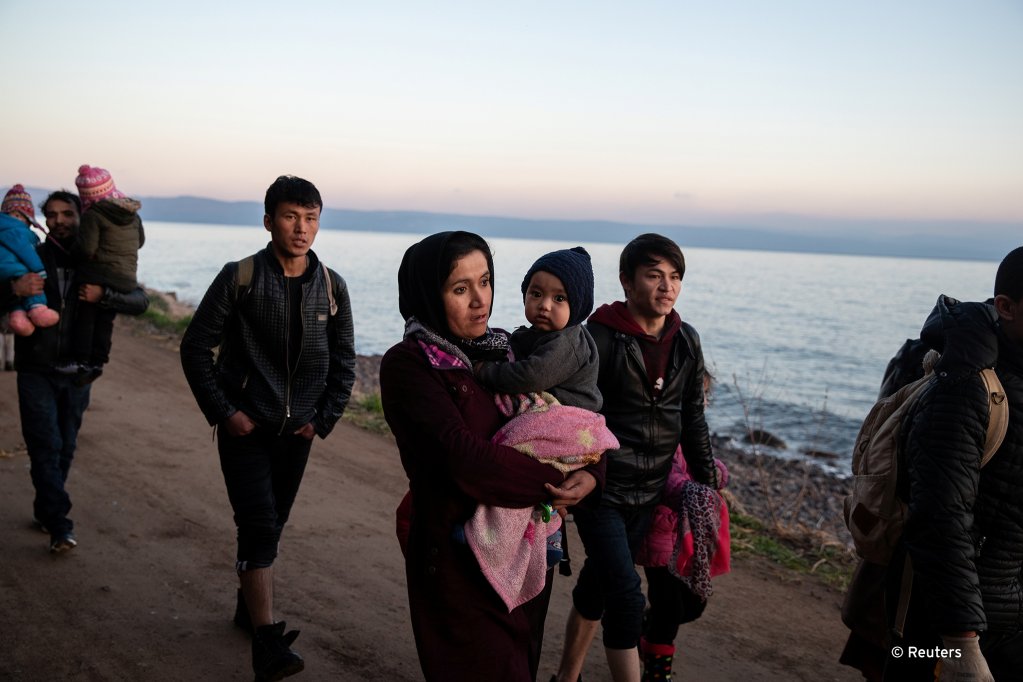
The discovery of the child's remains comes amid another deadly incident in the Aegean Sea. One person died and seven others went missing on Saturday after a migrant boat sank off the coast of Turkey, the Turkish coast guard said.
Thirty-seven people were rescued as their rubber dinghy began taking in water before dawn. The boat was sighted and rescued near the western coastal town of Dikili, which lies opposite the Greek island of Lesbos. Turkish authorities said search operations were continuing to locate the seven missing migrants.
Read AlsoHundreds rescued off Greek coastline as officials continue search for missing child
Shipwrecks common
Shipwrecks remain a common and tragic occurrence along the Aegean Sea, where the Greek island of Samos sits. UN data shows that Greece recorded 48,048 migrant arrivals in 2025. Of these, 41,751 people arrived by sea and 6,297 by land. While arrivals were slightly lower than in 2024, at least 125 people were reported dead or missing that year during attempts to reach the country.

Afghans, Sudanese, and Egyptians made up the largest groups arriving in Greece in 2025. Afghans accounted for 25.3 percent of arrivals (9,837 people), driven by ongoing insecurity, economic collapse, and political repression following years of conflict. The takeover of the Taliban in 2021 further worsened the hostile political climate.
Sudanese nationals represented 21.8 percent (8,074 individuals), as many flee widespread violence, displacement, and a severe humanitarian crisis in their country. Meanwhile, Egyptians, who comprised 20.3 percent of arrivals (7,513 people), are often motivated by economic hardship, high unemployment, and limited opportunities.