
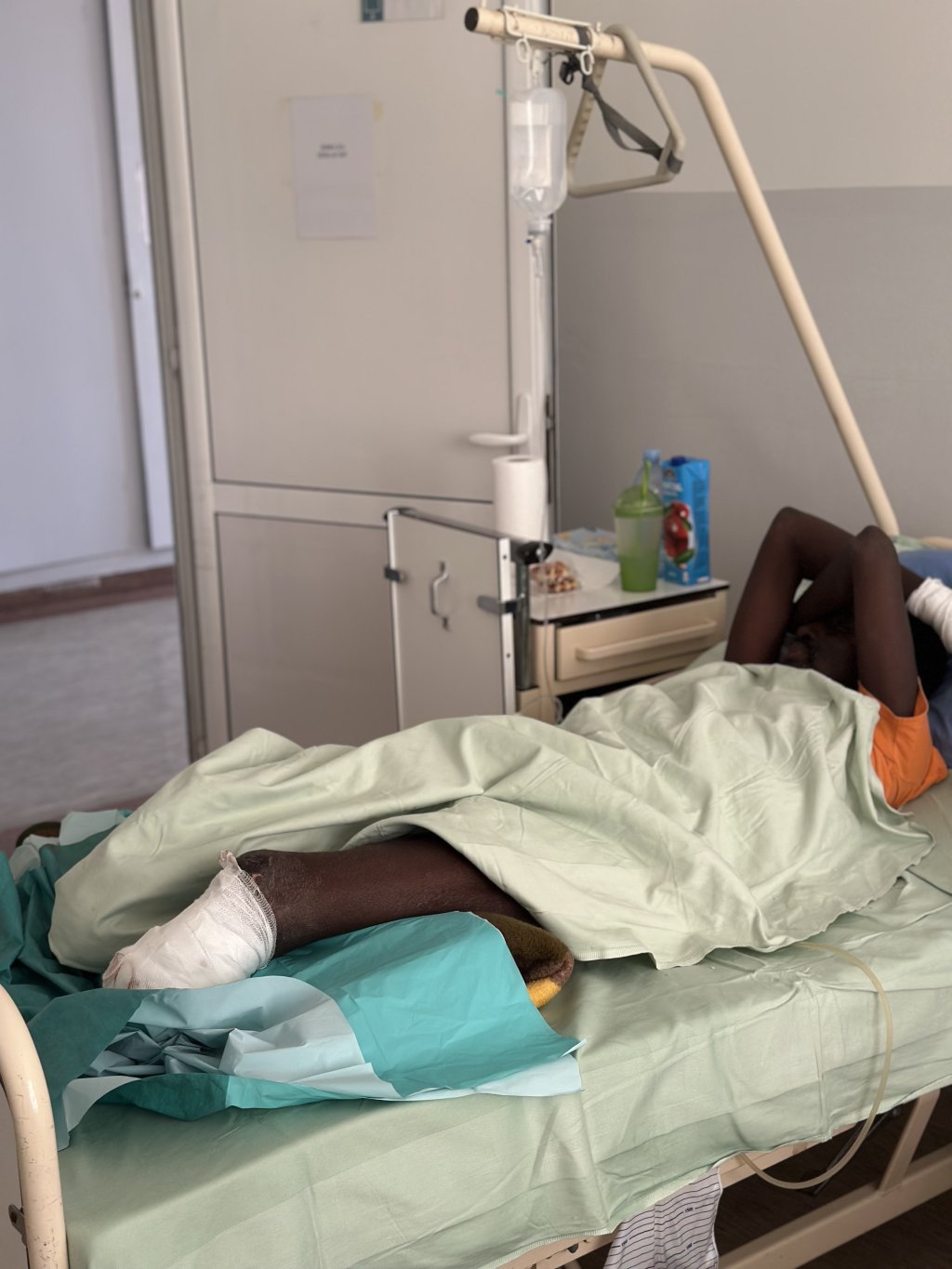
Three Sudanese men found near Bihać in Bosnia and Herzegovina with severe frostbite have been transferred to Sarajevo for recovery. All three men had both legs amputated, and two of them also had fingers amputated.
Three Sudanese men who were found severely injured near Bihać in northwest Bosnia close to the border with Croatia in mid-December are now recovering in a residential home for the elderly and persons with disabilities in Sarajevo, after completing emergency medical treatment in the city of Tuzla.
"All three men had both legs amputated below the knee due to severe frostbite. In addition, two of the men also had amputations of their fingers and parts of their hands," Nihad Suljić, founder of the local association Djeluj.ba, which helps migrants, refugees and assists in reporting missing persons, told InfoMigrants on Thursday (January 8).
"During their stay in Tuzla and now in Sarajevo, I have personally ensured they received sufficient food, clothing, vitamins and other basic necessities to make their daily lives easier," Suljić said.
'Their goal was to reach Germany'
According to their own accounts, the three Sudanese men undertook a long and arduous journey, spending the longest period in Libya, where they described conditions as "extremely harsh and inhumane." From there, they traveled through Turkey, Greece, North Macedonia, and Montenegro before arriving in Bosnia and Herzegovina.
"Their goal was to reach Germany. Two of the men have children. War and poverty forced them to leave Sudan, and their only wish was to secure a safer and better future for their families," Suljić explained.
The International Organization for Migration (IOM), which is responsible for the care of the three migrant men, is covering the Sarajevo healthcare fees, according to Suljić, who added that he has also been receiving support from the NGO, SOS BalkanRoute, including wheelchairs for the men, which he plans to deliver this weekend.
Read AlsoChanges ahead for temporary reception centers for migrants in Bosnia
No future rehabilitation or integration plans in Bosnia
The three Sudanese migrants, who were reportedly found without shoes or warm clothing, had been spotted near Bihać by local residents, who contacted the police, Una-Sana Canton Interior Minister Adnan Habibija told the Balkan Investigative Reporting Network (BIRN) in December, the network's news outlet Balkan Insight reported on December 18.
Bosnian police have launched an investigation into the case, according to local media reports.
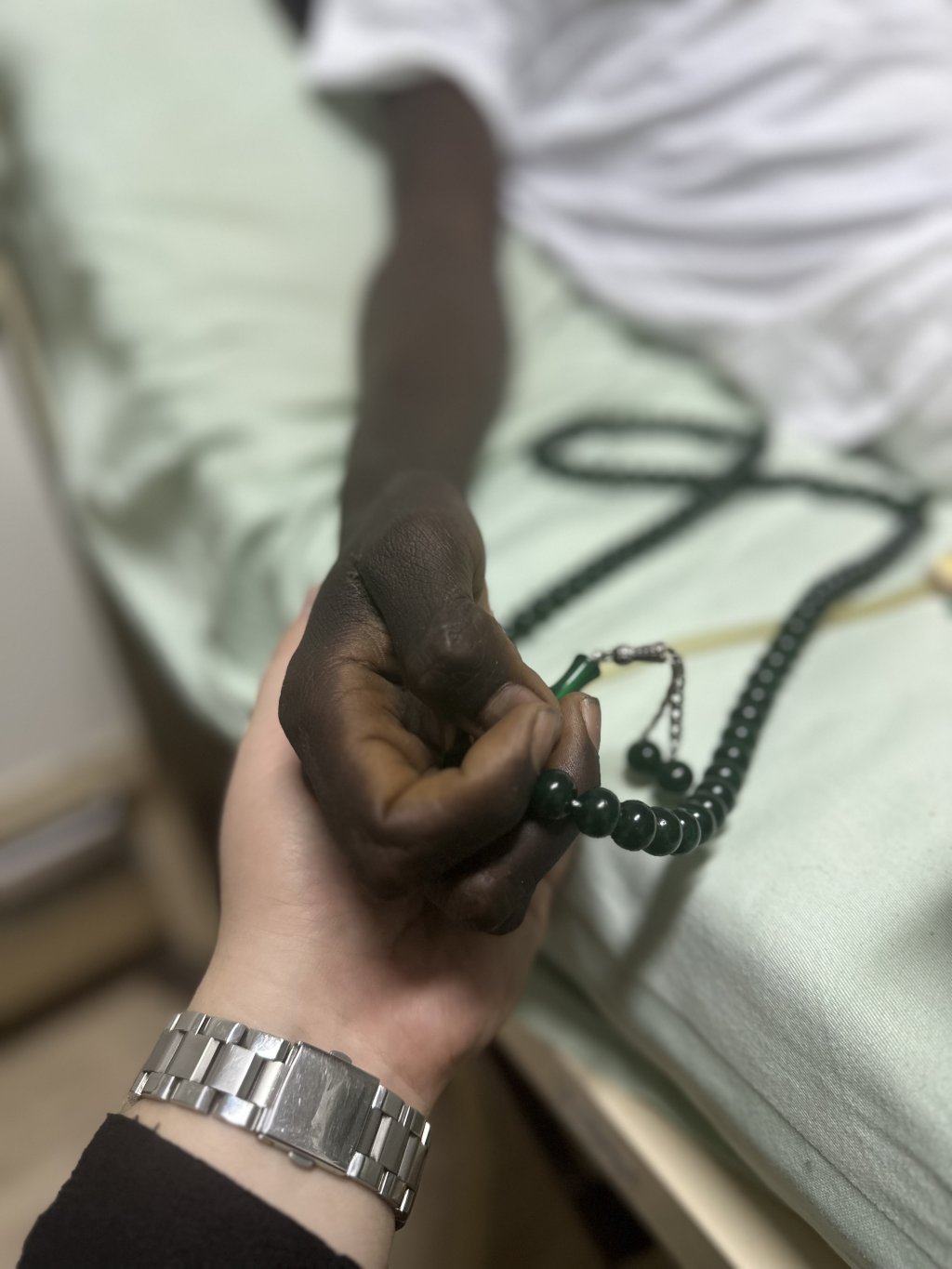
As they attempt to recover, the three men have formally expressed their intention to apply for asylum in Bosnia. But Suljić feels sceptical.
"Based on my nine years of experience working with refugees, I must honestly say that their future in Bosnia and Herzegovina is not promising. The system does not function properly," Suljić says, noting that the Balkan country does not have a structured approach in sight for the long term-recovery, rehabilitation or integration of the three Sudanese migrants.
Suljić feels the Bosnian government is not doing enough to support the three men.
"These men, like many other refugees, are largely left at the mercy of institutions and the International Organization for Migration. In this specific case, Bosnia and Herzegovina as a state has done nothing. Everything that has been done and is still being done for them comes from ordinary citizens, kind individuals and non-governmental organizations."
Read AlsoUN warns of difficult winter ahead for migrants as aid cuts bite
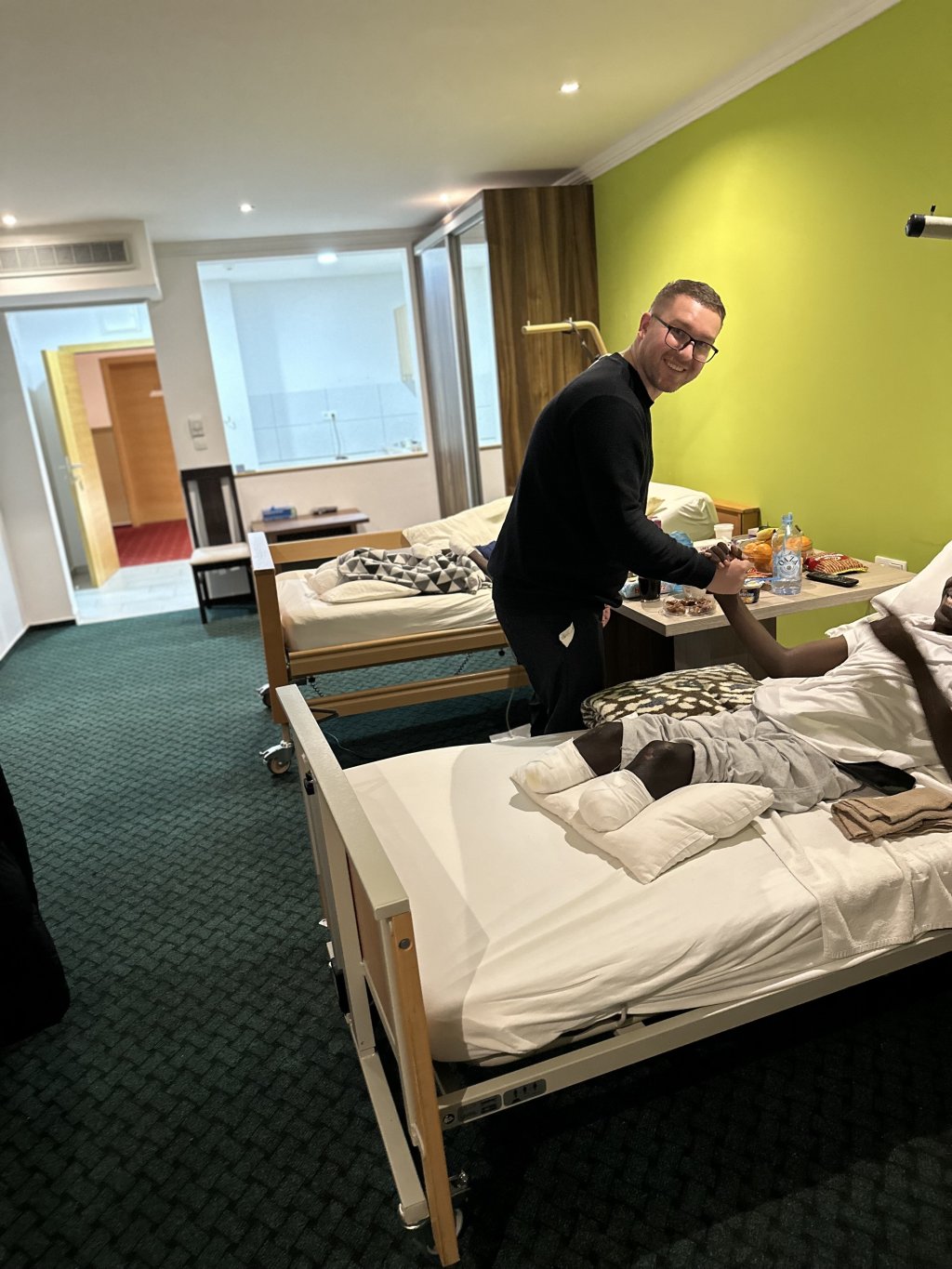
Nihad Suljić from Djeluj.ba regularly visits the three men in care. "I will continue to speak out and fight for these men and others in similar situations." © Nihad Suljić/Djeluj.ba
Questions remain over why migrants were sent to Tuzla hospital rather than Sarajevo
Suljić stressed that this has not been an isolated case. A few days after the three men were discovered near Bihać, SOS BalkanRoute helped another Sudanese man in the same area who suffered severe frostbite, resulting in the amputation of his toes. "This shows a clear pattern and an ongoing humanitarian failure, not a one-time tragedy."
"Large international organizations, as well as the authorities in Bosnia and Herzegovina, do not want these stories to be publicly discussed."
Suljić says there are still many unanswered questions.
"Why were these men transferred to Tuzla instead of being treated in Sarajevo, which has larger and better-equipped hospitals? Who made that decision, and whose responsibility was it? These questions remain without answers."
Bosnia forms an essential part of the so-called Balkan irregular migration route, used by people attempting to reach the European Union.
According to the IOM's Situation Report released on Tuesday, Bosnia received a total of 13, 898 arrivals.
InfoMigrants contacted the IOM for comment on the case of the three Sudanese migrants in Bosnia, but had not received a reply by the time of publication.