
Authorities on the Mediterranean island nation state Malta have carried out one of the fastest repatriations on record, sending back a total of 48 migrants within 17 days of their landing. The majority of them were Bangladeshi nationals.
Maltese newspapers are reporting that the Maltese authorities have successfully repatriated a total of 48 migrants, who were brought to the Mediterranean island on December 12, after their boat carrying a total of 61 persons capsized.
According to the news outlet Malta Independent, the migrants were sent back in two separate operations. One, involving 44 people, reportedly occurred on December 28, and four additional people were sent back "within days" of their landing on Malta.
Although the Maltese authorities have not said to which country the migrants were sent back, the majority of the migrants rescued on December 12 were reported to be from Bangladesh.
InfoMigrants contacted the Immigration Police branch under the Bangladesh Police’s Special Branch. An official said that 44 Bangladeshi nationals returned home from Malta on December 29 on a special flight, which landed at Hazrat Shahjalal International Airport in Dhaka at around 5:20 pm local time that day.
The immigration police official also said that all of the returnees were male.
Read AlsoEU urges Libya to combat Mediterranean migrant sea crossings
Not deportation, but voluntary repatriation: Bangladeshi Embassy
Confirming the return of Bangladeshis from Malta, Rabeya Begum, First Secretary at the Bangladesh Embassy in Athens, which also covers diplomatic affairs of Bangladesh with Malta, said, "This cannot be called a forced return, nor can it be called deportation."
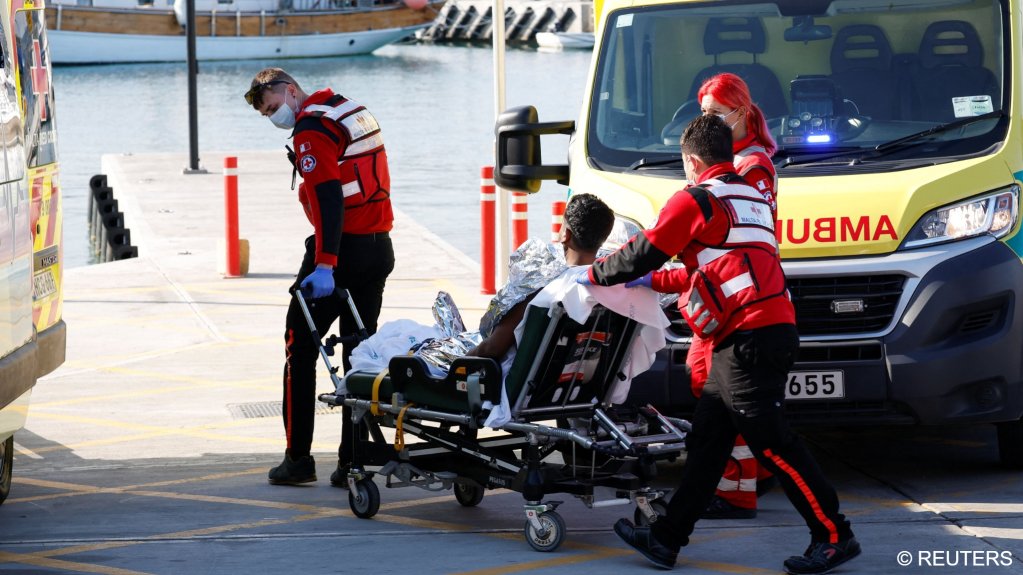
When asked how they were sent back, she explained, "Many of the Bangladeshi migrants suffered fuel burns. Their hands and various parts of their bodies were burned. Many of them were traumatized. When they arrived in Malta, several of them had to be hospitalized. ... All the Bangladeshis wanted to return to their home country. ... After going through such a harrowing journey and given their physical condition, they wanted to leave."
Rabeya Begum specified that 17 more Bangladeshis who arrived on December 12 are still in Malta, including one minor, who will have their applications reviewed under Malta’s asylum policy.
She also stated that those who returned did so through a voluntary repatriation process, and the number of returnees was not 44 but 43. Additionally, she mentioned that the Maltese government provided some financial assistance to those who returned, though she did not specify the amount.
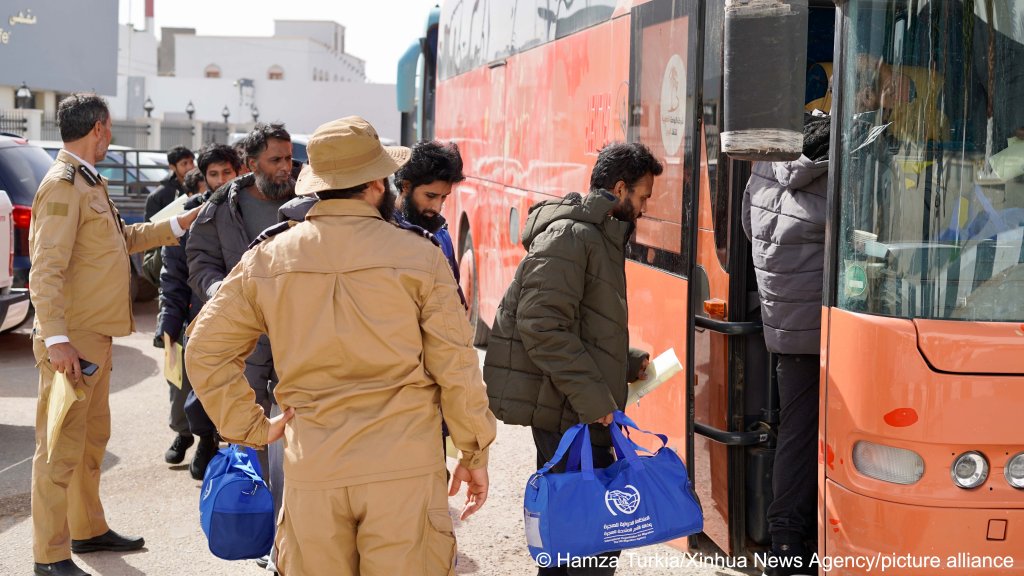
Speedy returns
The website explaining the new European Travel and Identification System, ETIAS, explains that the "speed of these repatriations is unusual. Most repatriations take weeks or months to process, involving paperwork, identity verification, and negotiations with origin countries."
The government in Malta reportedly told ETIAS that the speed was possible because of close coordination between the police force, the Ministry of Home Affairs, Security and Employment, and the Ministry of Foreign Affairs and Tourism.
According to Maltese government data, reported by ETIAS, 81 percent of irregular migrants who arrived in Malta during 2025 were returned to their countries of origin. However, Malta has one of the lowest arrival rates in the European Union. The number of irregular migrants arriving in Malta fell by 93 percent over the past five years, states ETIAS.
Read AlsoOver 50 migrants rescued after being stranded on Mediterranean oil platform
Deterrence policies
This is largely due to the deterrence policies implemented by the Maltese government. Malta’s Home Affairs minister, Byron Camilleri, describes his government’s policy as "fair" and says that the government provides assistance to those "deserving protection as refugees while returning those who abuse the system."
Camilleri added that he believed this speedy repatriation sent a "strong message that the business model of human traffickers is being challenged. This shows that participation in this criminal model does not pay," reported ETIAS.
Questions about whether the migrants who were repatriated were offered legal representation, or whether they were informed of their right to apply for asylum have also been left "unanswered" reported ETIAS.
Read AlsoMed5 countries call for more anti-trafficking funds to manage migration
Digital controls
The new Entry / Exit system, which was introduced on October 12, 2025 and will be rolled out fully across Malta and other EU countries by April 10, 2026 is designed to further tighten controls at European borders.
ETIAS predicts that the digital systems requiring fingerprints and facial recognition technology for all non-EU nationals, should make it easier to identify and track people who arrive without authorization on islands like Malta.
In 2024, according to data published by the Asylum Information Database AIDA, Bangladeshis constituted the majority of migrants who arrived irregularly at Malta’s borders. Out of a total of just 238 people, Bangladeshis made up 113 of that number.
Read AlsoThe cruel reality of migrant detention and deportation in Libya
Voluntary returns
Many of those arriving, stated AIDA, were channeled "speedily" into the Home Affairs Ministry’s voluntary return procedure. In 2023, lawyers raised questions over a group of Bangladeshis who were reportedly returned without having been informed of the possibility of seeking asylum.
Also during 2024, Malta was criticized by the UN Human Rights Committee, after it raised concerns regarding Malta’s Search and Rescue practices. According to the UN, in several incidents, Malta failed to respond promptly to calls of distress within its search and rescue SAR zone in the Mediterranean.
Malta consistently denies any wrongdoing in this zone. NGOs working in the Mediterranean however have repeatedly brought allegations against Malta, saying that it has systematically "outsourced rescue operations to the Libyan Coast Guard," resulting in migrants being returned to Libya, where reports of detention, abuse and mistreatment are rife.
Tanjir Mehedi contributed to reporting