
The UK has imposed visa restrictions on nationals from the Democratic Republic of the Congo as part of a tougher immigration approach under Labour, using travel access as leverage to pressure countries to accept the return of deportees.
The UK government has imposed visa restrictions on nationals from the Democratic Republic of the Congo (DRC), accusing the country of failing to cooperate with the return of undocumented migrants and foreign offenders with DRC citizenship living in the UK.
The use of introducing visa restrictions had already been signaled to Kinshasa months earlier; following the announcement, the DRC said it had begun discussions with British authorities to resolve the ongoing dispute.
UK government spokesperson Patrick Muyaya said that talks were ongoing between the Congolese interior ministry and the UK embassy in Kinshasa, adding that technical meetings had been scheduled to reach an agreement.
He added that both sides were aiming to resolve the issue by the end of January.
describing the approach as part of closer coordination with Five Eyes partners.
Shortly after taking office in September, UK Home Secretary Shabana Mahmood announced the UK was prepared to suspend visas for countries that refused to accept the return of their nationals, using this as leverage against nations refusing to cooperate with British deportation plans.
Prime Minister Keir Starmer has also repeatedly said that he favored a more “transactional” use of visas, linking access directly to cooperation on migration enforcement.

The move marks the most visible use so far of a new policy tool under Starmer’s Labour Party government, which has pledged to toughen immigration controls while keeping all changes to the law within the stipulations of existing legal frameworks.
Under the measures announced over the weekend, fast-track visa processing for DRC nationals will be revoked, while VIPs and senior officials from the country will no longer receive preferential treatment.
The Home Office warned that further steps, including a complete halt to visas, could follow unless cooperation "rapidly improves."
Read AlsoUK: More than 800 migrants cross Channel, bringing annual total to more than 41,000
Mahmoud: 'Visa pressure delivers cooperation'
The announcement came shortly after the governments of Angola and Namibia agreed to step up their cooperation on accepting the return of their citizens following similar warnings from London.
However, there are merely few thousand people with either of those nationalities living in the UK, the majority of whom are believed to reside there legally.
A Home Office source described the agreements as the "first delivery success" of the recent asylum reforms which had been unveiled in November, saying they could ultimately lead to the removal of thousands of people with no legal right to remain in the UK.
According to the British government, all three African countries had previously "continually frustrated" deportation efforts by failing to process paperwork or requiring individuals to sign their own return documents, effectively allowing them to block their own removal from the UK.
Mahmood said the government would not hesitate to escalate pressure on countries that refuse to cooperate.
"And for us that means the possibility of cutting visas in the future to say that we do expect countries to play ball, play by the rules and if one of your citizens has no right to be in our country, you have to take them back," Mahmoud explained.

Read AlsoUK detention system failed vulnerable migrants, court rules
Immigration policy shift under Labour
The new visa restrictions are part of a progressively hardening of immigration policy under Labour since the party won the last general elections in July 2024.
Last month, Mahmood announced another set of sweeping changes to the UK's asylum system, including making refugee status temporary by default, speeding up deportations of people who arrive in the UK without documents, and ending guaranteed housing support for asylum seekers.
The reforms also include new caps to safe and legal routes into the UK.
Visa penalties were explicitly also built into the reform package, with the government warning that countries with high asylum claims could face restrictions unless they cooperated on deportations.
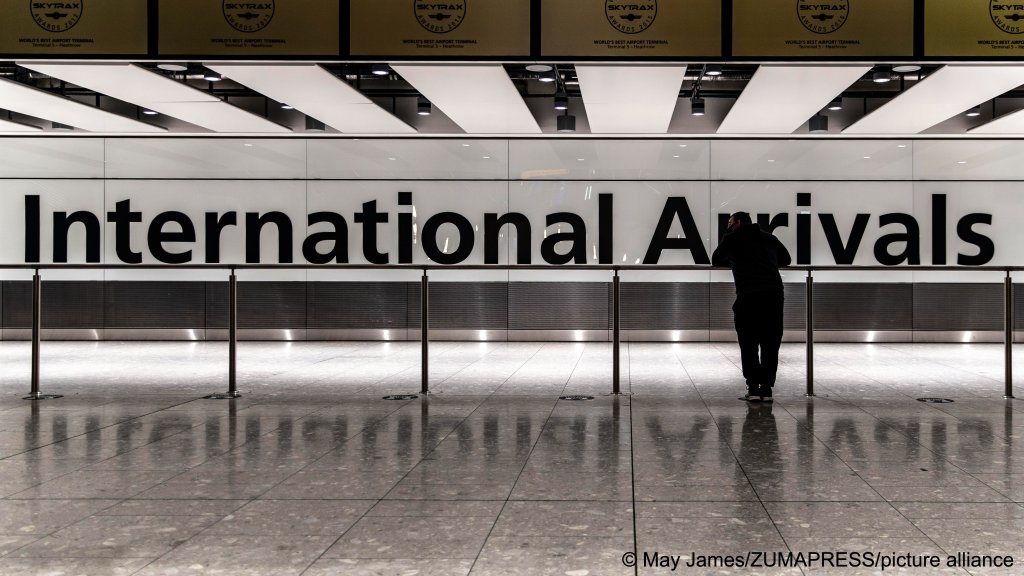
Read AlsoCase of Nigerian model puts UK asylum system to the test
The Denmark model
Prime Minister Starmer and his senior ministers have repeatedly pointed to Denmark as an example of how stricter migration controls can deliver results.
Starmer has described Denmark’s reforms as "tough but fair," noting that asylum approvals there had fallen to their lowest level in decades.
Denmark, under Prime Minister Mette Frederiksen, has implemented some of Europe’s toughest asylum policies, including temporary refugee protection, strict return rules, and limits on permanent settlement.
In a joint open letter, Starmer and Frederiksen have recently called for a reinterpretation of the European Convention on Human Rights (ECHR), arguing that the current asylum framework had been created for "another era" and no longer reflected today's migration pressures.
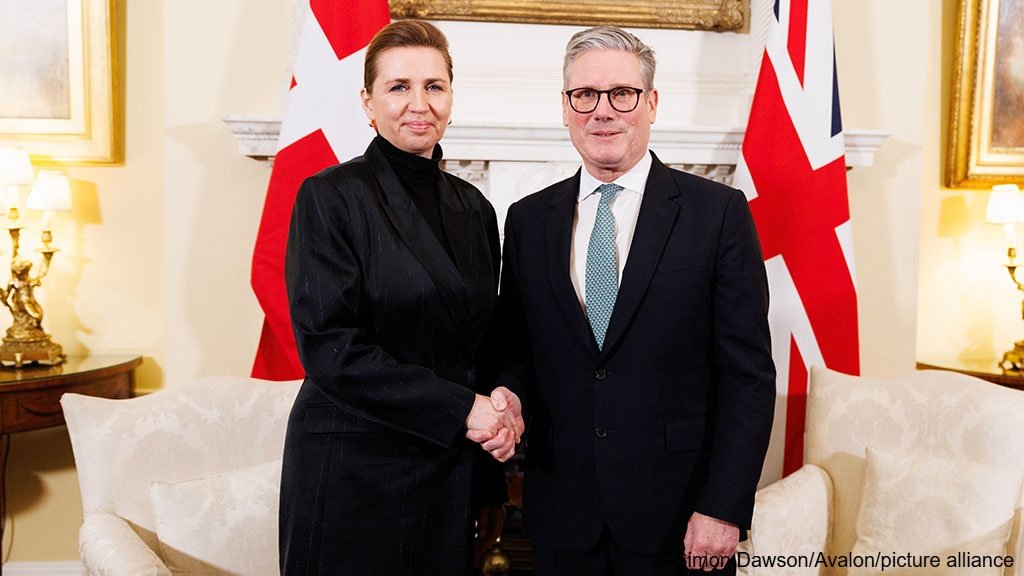
Read AlsoUK and Danish leaders call for reinterpretation of ECHR
Legal and political pressures
Labour's toughening stance comes amid intense political pressure at home, with immigration having become a divisive issue across British politics.
For months in a row, the anti-immigration Reform UK party has been polling as the leading force across Britain.
Labour is trying to mitigate this shift to the far-right ahead of next year's local elections, which are widely being regarded as a litmus test on Labour's overall performance.
However, the government also faces legal constraints when it comes to changing its immigration and asylum policies.
Courts have repeatedly used human rights protections, particularly the right to family life and the ban on inhuman treatment, to block planned deportations in the UK, prompting opposition parties, chiefly the Conservative Party but also Reform UK, to reconsider their positions on remaining part of the ECHR framework -- if they come to power in the next general elections, which are slated for 2029.
The UK is now trying to apply pressure beyond what is and is not possible in the courtroom through interpretations of the ECHR and other laws -- by using visa access as leverage on certain countries of origin, shifting the enforcement of deportations further upstream to bilateral diplomatic relations.
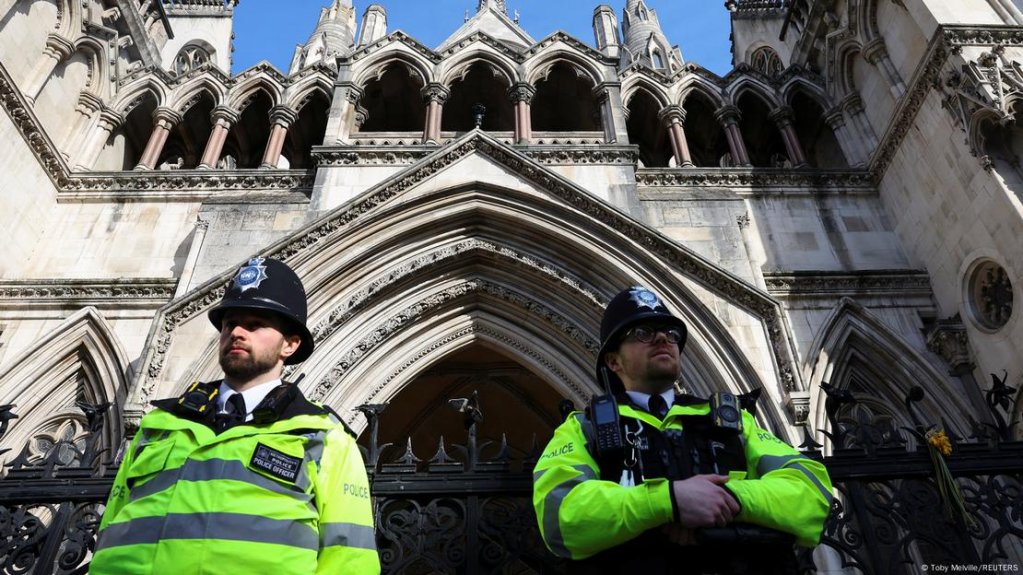
Read Also'I've come too far to stop now': In Calais, new UK laws do not deter people from crossing Channel
A new enforcement tool
Analysts see this dimension of the British government's asylum and returns strategy as part of a broader shift toward using travel access as an enforcement lever -- rather than a routine diplomatic tool.
By linking visas directly to deportation cooperation, the Labour government is signaling its willingness to impose consequences not just on individual migrants, but on entire national visa regimes.
Britain has on occasion used visa restrictions as leverage in other diplomatic contexts in the past, but this shift marks the first time that London has decidedly to directly link visa access to matters of migration enforcement.
The policy had been discussed well before the recent measures were introduced, with ministers publicly warning as early as in September that visas to the UK could be suspended for countries unwilling to cooperate on returns.
The government argues that this approach strengthens the credibility of Britain's asylum system as well by making it an issue on multiple policy levels, though critics warn that this policy risks collective punishment and may disproportionately affect people with no connection to migration disputes -- such as students, workers, and family visitors.
Read AlsoUK and France not doing enough to stop 'migrant hunters,' support groups say
with AFP and Reuters