
Dozens are feared missing after a boat carrying around 100 migrants capsized off Senegal’s coast near Joal last week, highlighting the ongoing dangers of the Atlantic migration route toward Spain's Canary Islands as well as the growing pressure on reception systems at destination points.
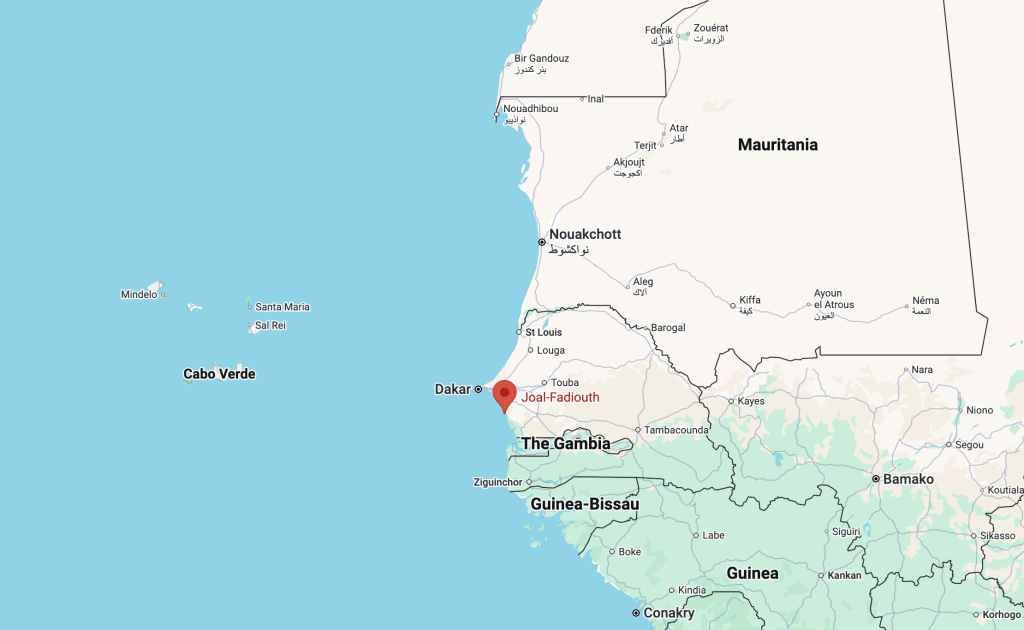
Last week on December 24, a boat carrying around 100 migrants capsized off the coast of Senegal, killing at least 12 people, with others still missing.
The wooden pirogue boat overturned at dawn near the coastal town of Joal in western Senegal, after reportedly departing from the Saloum Delta, a vast network of waterways and mangroves that is difficult to access except by boat.
Security officials said that 12 bodies had been recovered, and local authorities reported that at least 32 people had survived the incident.
There also were reports that others may have fled the scene before rescue teams could arrive, with one source putting the number of survivors at 33.
In a message posted on social media on Wednesday afternoon, Senegalese President Bassirou Diomaye Faye expressed his "deep compassion" for the families who are affected by the tragedy.
"We share their sorrow and their pain, while the search continues to find any survivors," the president wrote.
'The deadliest migrant route in the world'
Senegal is one of the main departure points for migrants attempting the dangerous Atlantic crossing to Europe from Africa, heading mainly toward Spain's Canary Islands.
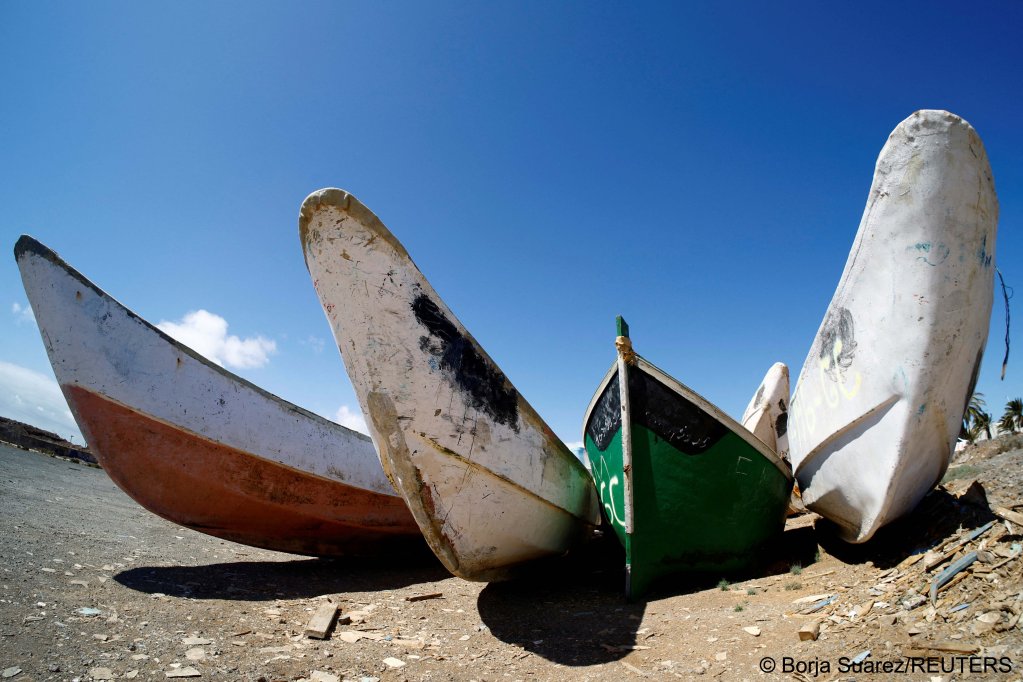
Many make the journey in overcrowded and often unsafe boats, such as pirogues and cayucos.
Thousands of people have died or gone missing along the route in recent years, which many human rights organizations as well as the International Organization for Migration (IOM) deem to be the deadliest migration route in the world.
Just one day before the Joal shipwreck on December 24, Senegalese gendarmes intercepted 123 undocumented migrants aboard a boat in the Thies region, highlighting the continued pressure along Senegal's coastline to stop migrant vessels from departing despite intensified patrols and support from European partners.
Despite increased enforcement and cooperation aimed at preventing departures and deaths at sea, recent shipwrecks off Senegal underline the continuing human cost of irregular migration along the Atlantic route.
Read AlsoCanary Islands sea rescue teams transfer 327 migrants to El Hierro
Routes shifting amid pressure on reception systems
This latest tragedy comes amid a recent shifting migration routes along West Africa's Atlantic coast.
Tighter controls and cooperation between European countries and African states as well as partnerships between African nations -- such as between Senegal and Mauritania -- have reduced departures from some northern points in Senegal.
The IOM says that this has pushed certain migrants to attempt longer and more dangerous journeys, departing from countries that are situated further away from the Canary Islands, such as Guinea.
Despite such changing patterns, high arrival numbers in the Canaries continue to place pressure on reception systems in destination regions -- especially with many of the arrivals being underage.
Fate of unaccompanied minors remains uncertain
Earlier this month, the regional government of the Canary Islands turned to Spain's Supreme Court to clarify who actually holds the legal responsibility for taking of these unaccompanied minors seeking asylum, as the reception facilities in the Canaries have been continuously above capacity for years.
Currently, authorities in the archipelago say that they are caring for 4,471 unaccompanied foreign minors, many of whom they would like to see transferred to mainland Spain. Of those, only about 13% are minors with international protection granted within the territory of the Canaries, including dozens who do not wish to be relocated due to social ties in the archipelago.
The government of the Canary Islands accuses the central government in Madrid of not keeping its word in properly redistributing these youth, the majority of whom are not tied to staying in the archipelago itself.
Regional officials have warned that transfers to the mainland are lagging behind needs, creating legal uncertainty and additional strain on local services in the Canaries.
Read AlsoSpain: Authorities transfer 679 unaccompanied migrant minors to mainland
Read AlsoGuinea emerges as new irregular migrant departure point towards Europe
With AFP and EFE