
As Germany has moved to tighten border controls while also stepping up deportations in 2025,, the number of refugees seeking sanctuary in churches has fallen sharply, highlighting how political decisions are reshaping an age-old humanitarian practice.
Church asylum has long been a last option for some people seeking humanitarian refuge in Germany -- especially for many facing deportation.
Newly released figures show, however, that significantly fewer asylum seekers have opted to turn to safety in churches in 2025.
The development is likely linked to stricter border controls in general as well as changing migration policies rather than a reduction in humanitarian need.
A significant change in trends
According to preliminary figures released by the Federal Office for Migration and Refugees (BAMF), 2,139 people were granted church asylum between January and the end of November 2025.
In 2024, the total stood at 2,966 people, highlighting a 28 percent drop.
A BAMF spokesperson told the Frankfurter Allgemeine Zeitung daily newspaper that the decline is a reflection go the overall drop in asylum seekers arriving in Germany in 2025 following various policy changes.
The number of church asylum cases had previously risen for four consecutive years, fueling political debate over whether churches were offering protection perhaps too readily.
Read AlsoGermany: Stricter asylum rules, deportations and rollback of fast-track citizenship
Border rejections reduce Dublin cases
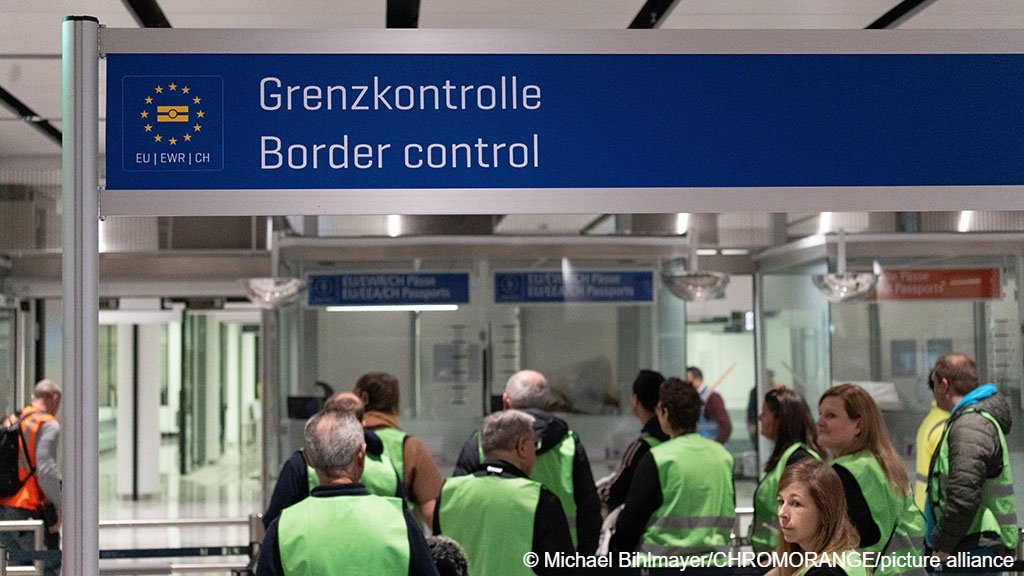
Church organizations agree that this downturn is linked to a change in direction in German policy, including increased rejections at Germany's borders.
Dieter Müller, deputy chair of the Ecumenical Federal Working Group on Church Asylum, said that people who had already been registered as asylum applicants in another EU country were increasingly being denied entry to Germany under the bloc's so-called Dublin regulation.
As church asylum cases, however, often involve cases under the Dublin regulation, which requires asylum claims to be processed in the first EU country of entry only, tighter border controls appear to have reduced the number of people with such circumstances reaching Germany in the first place.
BAMF has confirmed that in 2025, officials have dealt with fewer situations that typically lead to requests for church asylum, referring to Dublin cases.
Read AlsoGermany's Dublin centers cause 'mental stress' and anxiety, experts say
How church asylum works in Germany
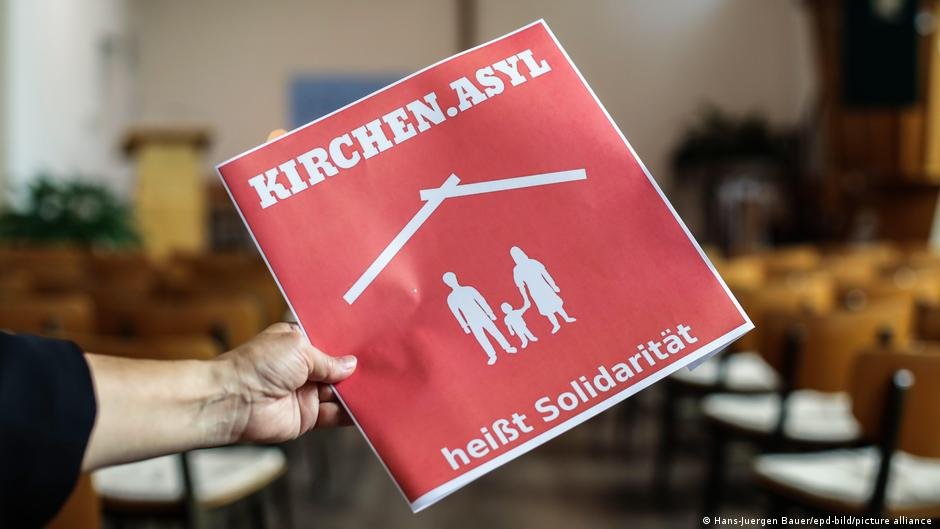
Church asylum in Germany has no formal legal basis as such; rather, it is a long-standing humanitarian practice rooted in Christian tradition, which generally is tolerated by authorities.
Churches stress that granting asylum in places of worship and their facilities is not intended to replace the official asylum system, but provides a platform for intervention in exceptional cases where deportation could expose individuals to serious danger.
The modern form of church asylum dates back to 1983, following the suicide of a Turkish asylum seeker named Cemal Kemal Altun, who jumped to his death from a Berlin courthouse while facing deportation to Turkey, which at that time was under military rule and therefore under martial law.
The case shocked the country and prompted churches to revive the ancient practice of providing sanctuary as a response to perceived failures in the official asylum system.
Since then, Germanys Catholic and Protestant (Lutheran) churches as well as some independent congregations have provided temporary protection to several thousand people across Germany each year in hopes of eventually getting them accepted by authorities.
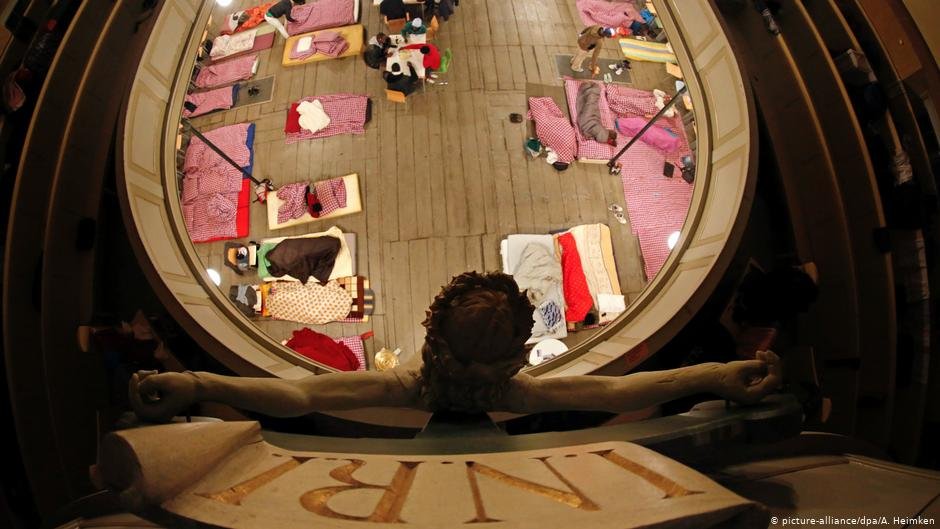
When church asylum is granted, the affected individuals are sheltered on church property for a limited period of time -- such as in parish halls, rectories or monastery buildings.
During this phase, they typically have remain on the premises to avoid enforcement measures while their situation is being reviewed, since church asylum does not suspend deportation orders but can succeed in delaying enforcement in practice.
This usually implies in practice that these rejected asylum seekers have to "hide out" in churches, meaning that in many cases they had no opportunity to leave church grounds while waiting things out.
Read AlsoGermany: Church asylum requests rise as protection dwindles
Who receives church asylum -- and under what conditions?
Today, most people who are "granted" church asylum are rejected asylum seekers facing imminent deportation, typically to another EU country.
Church representatives say that many fear violence, inhumane treatment or onward deportation if they are transferred to certain member states, which may have different regulations on what constitutes a safe country of origin.
Church asylum is a temporary and discretionary humanitarian practice, based on churches offering refuge on their own premises and on their own terms, usually without any immediate state interference.
Each request is reviewed and assessed individually, often with expert legal advice being taken into considerations by the churches; protection is only granted only if these assessment show that there is a credible risk to life, health or human dignity and a realistic chance that the case could be reconsidered by authorities at a later date.
Church officials emphasize that it is offered only as a "last resort" after all other avenues of appeal have been exhausted.
Churches normally have to inform authorities when they decide to grant church asylum to an individual under such circumstances.
Read AlsoGermany: Deportations are on the rise
Tolerated practice -- not a legal shield
The purpose of church asylum is not to block deportations permanently, but to allow time for legal clarification and reassessment in exceptional cases.
During this period, lawyers or church advisors may submit new evidence or request that authorities take another look at a case.
While public debate often focuses on successful outcomes, most requests for church asylum actually are rejected, and only a minority result in a positive decision in the long run.
Police have traditionally refrained from entering church premises, but this restraint is based on practice rather than what the law dictates.
In recent years, the situation has become more tense, with mounting cases of police interventions and legal proceedings against church representatives involved in granting church asylum.
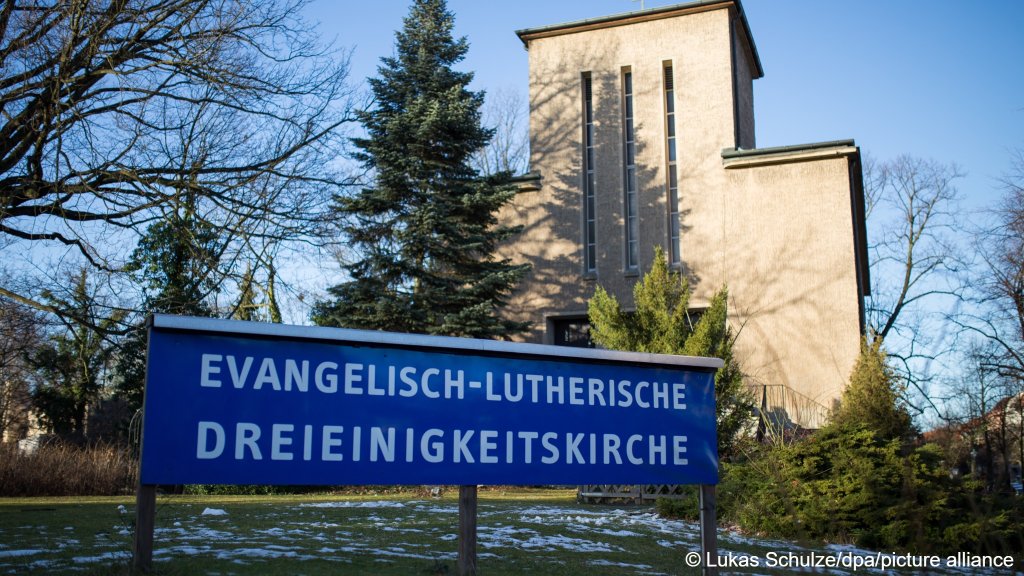
The Evangelical (Lutheran) Church in Germany (EKD) continues to defend church asylum and related practices as a humanitarian approach to migration.
Its council chair, Kirsten Fehrs, issued a warning in response to shrinking church asylum cases, saying that "we must not lose sight of our humanity in our migration policy."
She criticized recently floated plans by EU interior ministers for return centers to be created outside Europe, saying that a "line would be crossed at the moment when refugees are effectively detained [to ensure successful deportations].
"Where freedom and dignity are taken away, we as churches draw the line."
Fehrs also cautioned against portraying migrants as a general threat to society, stressing that it is not acceptable for "people with a migration background, including those of the second or third generation, [to be] portrayed across the board as a threat."
The decline in church asylum cases in 2025 does not necessarily point to any easing of hardship; instead, it most likely reflects what tighter border controls lead to, with fewer arrivals and reduced access to humanitarian safeguards for many.
with epd, KNA