
Germany has deported a convicted criminal to Syria. This marks the first such deportation since the start of the Syrian civil war in 2011. The move is seen as a major shift in the country's deportation policy, and is likely to raise concern among refugee and human rights organizations.
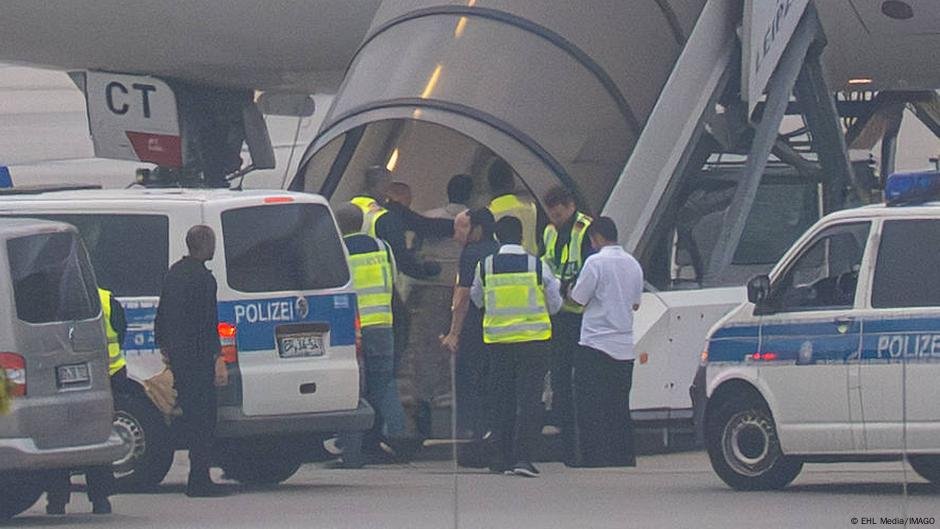
The German Interior Ministry said a 37-year-old Syrian national was handed over to authorities in Damascus on Tuesday morning (December 23).
According to the ministry, the man had previously served a prison sentence in the German state of North Rhine-Westphalia for aggravated robbery, bodily harm and extortion.
The deportation was carried out on a commercial flight after German authorities revoked the man's protection status and had refused to extend his residence permit.
The Syrian national had entered Germany in 2015 and had lived for several years in the western city of Gelsenkirchen in the federal state of North Rhine-Westphalia, according to local officials.
Earlier on the same day, a convicted Afghan national was also deported back to Afghanistan, marking the second such deportation of an Afghan offender within one week, the interior ministry said.
Read AlsoGermany: Review and round up of 2025 migration policy
First deportation to Syria in almost 15 years
Germany had suspended deportations to Syria in 2012 because of the deteriorating security situation in the country caused by the civil war.
However, just over a year ago, the Syrian government led by longterm strongman Bashar Assad fell, soon raising questions about potential deportations to the Middle Eastern country.
While Syria is not entirely free of conflict, large parts of the country have returned to a state of peace, with the local population focusing on gradually rebuilding their country after more than 14 years of war.
Syria has been under the rule of an interim leadership since Assad's ouster, and has held indirect elections in the majority of its provinces -- which international observers have welcome.
The country is now under the leadership of transitional president Ahmed al-Sharaa, whose previous role in Islamist groups fighting Assad's government has drawn some condemnation.

Read AlsoGermany reviews Syrian asylum cases amid tougher migration policy
Deportations 'must be possible'
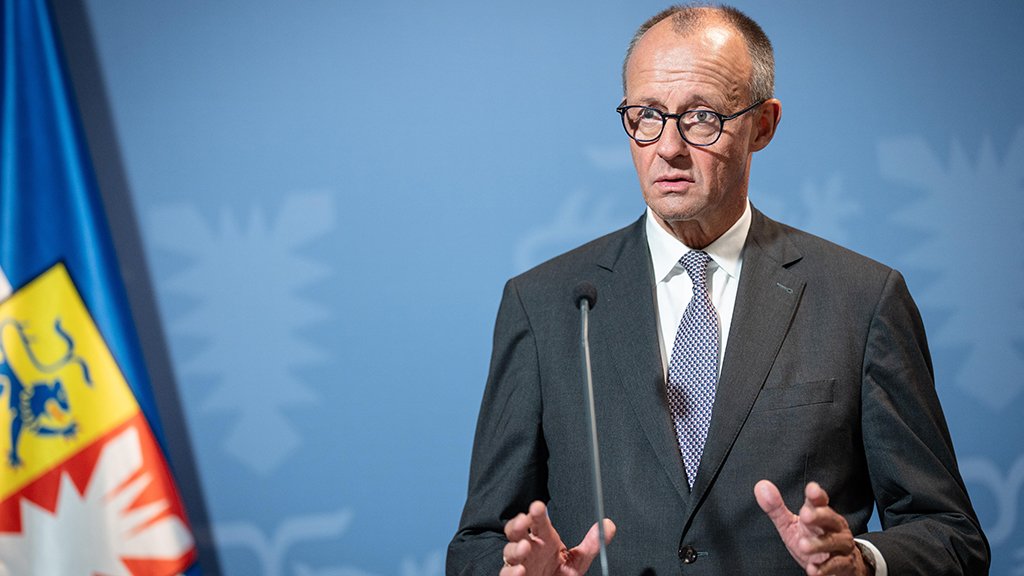
German Chancellor Friedrich Merz has repeatedly argued in the first six months of his leadership that now that the Syrian civil war had ended, deportations should resume; in a broad shift in Germany's overall asylum policy practiced for a decade, Merz has announced that measures to keep net migration to Germany "under a six-figure number annually" would gradually be rolled out -- including a focus on deportations of failed asylum seekers.
The governing coalition of the conservative Christian Democrats (CDU/CSU) and the Social Democrats (SPD) had already stipulated in its coalition contract from June 2015 that deportations to Syria and Afghanistan would be gradually resumed, beginning with convicted criminals and individuals considered to be security threats to Germany and Europe.
German Interior Minister Alexander Dobrindt has defended this policy shift, saying in a statement that deportations to Syria and Afghanistan now "must be possible."
"Our society has a legitimate interest in ensuring that criminals leave our country," he added in that statement.
Living conditions in Syria remain dire
German Foreign Minister Johann Wadephul paid a visit to the Syrian capital Damascus in late October to assess the overall situation, and see with his own eyes to what extent deportations to the country would be feasible.
Wadephul said at the time that deportations of Syrians from Germany would apply only in "very few exceptional cases of truly serious criminals," stressing that large-scale returns were not yet realistic due to destroyed infrastructure and ongoing instability.
Wadephul also warned during the visit that living conditions in Syria remained extremely difficult, saying it was "barely possible for people to live with dignity" in many parts of the country.
The minister also pledged at the time that Germany would increase its humanitarian aid and support for reconstruction to enable an increase in voluntary returns in the future.

Read Also'My heart is still in Aleppo, my life bound to Germany'
At the EU level, the bloc's asylum policy for Syrian nationals has also been evolving over the past year.
In early December, the European Union Agency for Asylum (EUAA) updated its country guidance on Syria, describing the security situation as “improved but volatile.”
While the agency said that there generally is "no real risk of serious harm" in the Damascus governorate, it stressed that asylum claims of Syrian must still be assessed on individual merit rather than changing its blanket policy.
The EUAA also noted that certain groups -- including journalists, women and girls, LGBTQ+ people, religious minorities and those linked to the former government -- may still face persecution, as hundreds of people have died in clashes since the change in leadership last December.
Read AlsoEU updates asylum guidance for Syrians
Concerns for refugees and returnees
Meanwhile back in Germany, the interior ministry said officials have held talks with representatives of both Syrian authorities and leaders in Afghanistan in recent months, resulting in agreements that will allow for the deportations of criminals and security risks to take place on a regular basis.
Although Germany's current deportation practice for Syrian nationals applies only to such convicted offenders and dangerous individuals, refugee advocates have long warned that returns to Syria could expose deportees to serious risks -- including arbitrary detention, violence at the hands of certain clans and groups or a lack of access to basic services, and that it could lead to broader deportation practices becoming more acceptable over time.
Advocacy groups have called for individual assessments to remain at the heart of deportation hearings and safeguards must remain in place to ensure that deported people are not exposed to human rights violations upon their forced return.
For Syrians and Afghans living in Germany, the government decision is already widely being seen as a sign of the time, proving a tougher approach to migration enforcement.
Read Also
EU updates asylum guidance for Syrians
with AFP, dpa