
From the number of asylum applications to the length of resolution of asylum claims, InfoMigrants breaks down the latest government statistics from January to November 2025 for Germany.
Tightened borders, expanded checkpoints, and stricter rules have come to define Germany’s immigration policy in 2025. The new conservative-led coalition took over in May this year, and part of its coalition promises revolved around getting tougher on migration. As the year draws to a close, InfoMigrants breaks down the latest government statistics on migration and asylum, which cover January to November 2025.
Asylum applications
Overall, the number of asylum applications dropped by half. To date, the Federal Office received 106,298 initial asylum applications this year. During the same period last year, 216, 861 initial applications were filed, translating to a 51 percent decrease in the number of applications compared to the previous year.
The following ranks nationalities according to the number of asylum claims filed:
- Syria: 22,156 applications
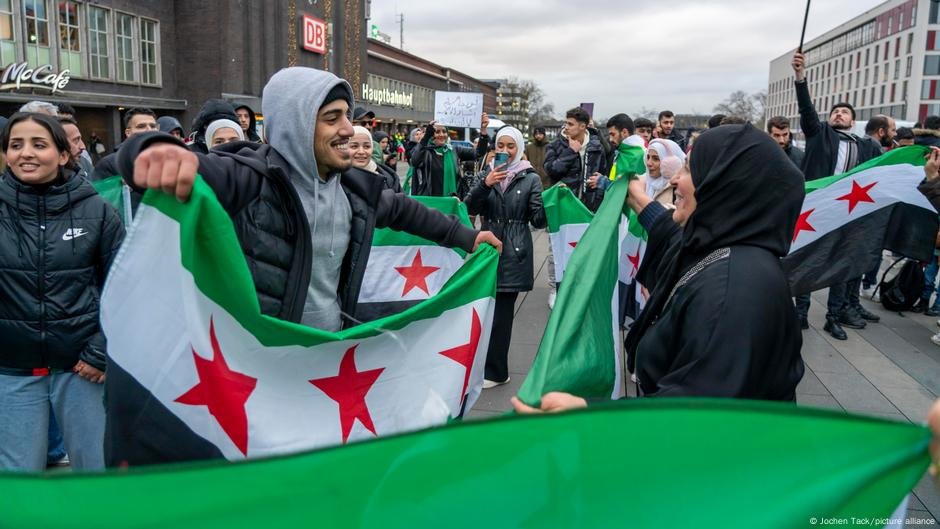
Compared to 2024, when 72,420 applications were filed, the number of asylum applications from Syrians dropped by nearly 70 percent. The decline is partially attributed to the fall of the Assad regime in December 2024, marking the end of more than a decade of civil war
- Afghanistan: 22,105 applications
Decline of 32 percent compared to the 32,519 applications filed in the same period last year
- Turkey: 11,274 applications
A 60 percent decrease compared to 27,888 applications submitted last year
Government data indicates that 16,579 of the total asylum applicants, representing about 15 percent, were children under the age of one born in Germany.
Meanwhile, the number of follow-up applications in 2025 rose by 162 percent to 51,138 compared to the prior year, when 19,538 follow-up applications were recorded.
Combining the number of initial asylum applications and the number of follow-up applications received indicats a total of 157, 436 asylum applications were filed in Germany. Compared to the same period last year, when 236, 399 asylum applications were filed, this represents a decrease of 33.4 percent.
Overall, a total of 288,320 initial and follow-up applications have been decided in the 2025 reporting year to date. This number is broken down by decisions issued by nationality
- Afghanistan: 78,988 decisions = total protection rate: 65.4 percent
- Turkey: 55,726 decisions = total protection rate: 8.0 percent
- Syria: 20,658 decisions = total protection rate: 1.6 percent
The overall protection rate for all nationalities was 27.2 percent, while the number of pending cases totaled 110,885 by the end of November 2025.
Asylum decisions
A total of 288,320 asylum applications have been decided on to date. In comparison to the same period in the previous year, there were 281,262 decisions, or an increase of 2.5 percent.
A snapshot of monthly asylum applications shows that in November 2025, the Federal Office decided on asylum applicaions from 27,193 individuals, comprising 18,998 initial applications and 8,195 follow-up applications.
In terms of asylum decisions, the greatest number of decisions were awarded to Afghans at 12, 043, followed by Syrians at 4,609.
Duration of proceedings
In terms of the length of the review process, across Germany, it took about 12.3 months for initial and follow-up applications. As of November 30, the government had not yet resolved the asylum procedures for 110,885 people, comprising the following nationalities:
- Syria: 50,814 pending = 46 percent of all pending procedures
- Afghanistan: 24,820 pending = or 22.4 percent
- Turkey: 7,444 pending procedures = 6.7 percent
Compared with the previous month's figure where there were 120,189 pending cases, there has been a 7.7 percent decrease or a reduction of 9,304 cases.
This indicates an improvement over the resolution of pending cases, which were recorded at 217,339. Of all pending cases at the Federal Office, 3,294 are Dublin cases where an asylum application falls under the European Union’s Dublin Regulation, which determines one specific European country, the country of first entry to the EU as the responsible authority for examining an asylum claim and subsequently, in some cases, leading to a transfer to that country.
Family reunification
New regulations in July 2025 suspended family reunification for those with subsidiary protection status for two years, primarily impacting Syrian refugees.
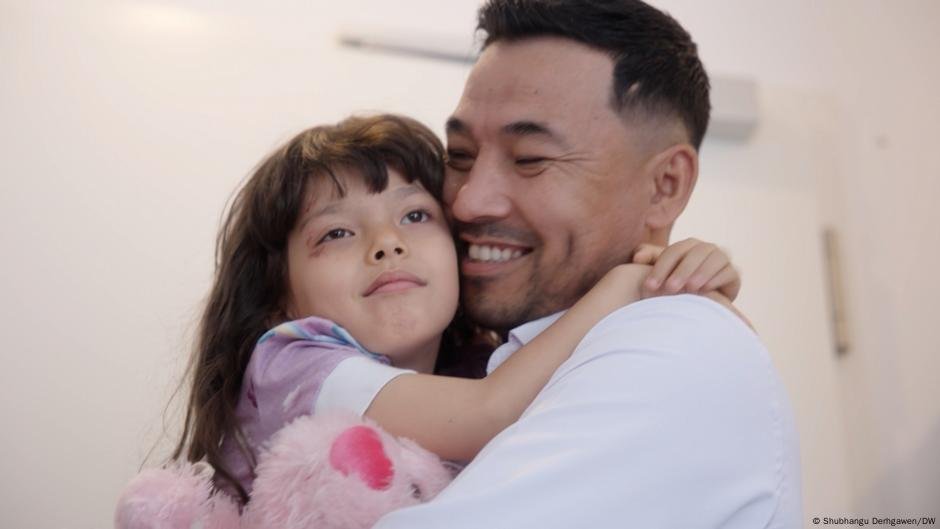
However, in late 2025, Germany had issued over 100,000 family reunification visas since the beginning of the year. The majority of the reunification visas, totaling 44,000, were issued primarily for spouses and 37,000 for children joining parents.
- Turkey: 14,907
- Syria: 13,148
- India: 9,286
- Kosovo: 7,143
- Albania: 4,426
Visa Types:
- Spouses joining foreign residents: ~44,426
- Children joining parents: ~37,227
- Parents joining children: ~3,500
- Spouses of German citizens: ~16,298
Turned back at the border
German international public broadcaster, DW, reported on December 21, that over 1,600 people were denied asylum at the border following the passage of increased border checks that mandated authorities the possibility of turning away all asylum seekers except those belonging to vulnerable groups.
The expansion of temporary border checks and stricter entry rules intensified in the spring, reflecting Berlin’s stated aim of reducing irregular arrivals and limiting secondary movement within the EU. The move was met with criticism from neighbors such as France, who share a border with Germany, who claimed that these measures violated the Schengen visa-free and border-free movement policy, where Schengen member states and other EU countries can move freely from one country to another.
Read AlsoGermany: Skilled workers welcomed, as integration rules tighten