
In early October 2025, InfoMigrants traveled to Milan, Monfalcone and Trieste in northern Italy to visit a range of projects and communities of migrants in those cities. Here are a selection of articles from that trip that appeared on the English pages. You can also find more videos in Bengali if you visit InfoMigrants Bengali.
We started our journey in the northern city of Milan, Italy's financial hub and regional capital for Lombardy, the region with one of the highest concentrations of migrants across the whole of Italy.
One of the organizations working with migrants in the city is Fondazione Progetto Arca (Project Ark Foundation), which began in 1994 to support marginalized communities in Milan and expanded its offer to migrants in 2011. Since then, it has grown across Italy and internationally. One of its projects focuses on offering a sanctuary for migrant women, children and families in Milan.
Read AlsoProgetto Arca: Offering a sanctuary for migrant women, children and families in Milan
Noura is one of the migrant women who has benefited from the work done by Fondazione Progetto Arca. She told us her story and a bit more about her journey to Italy.
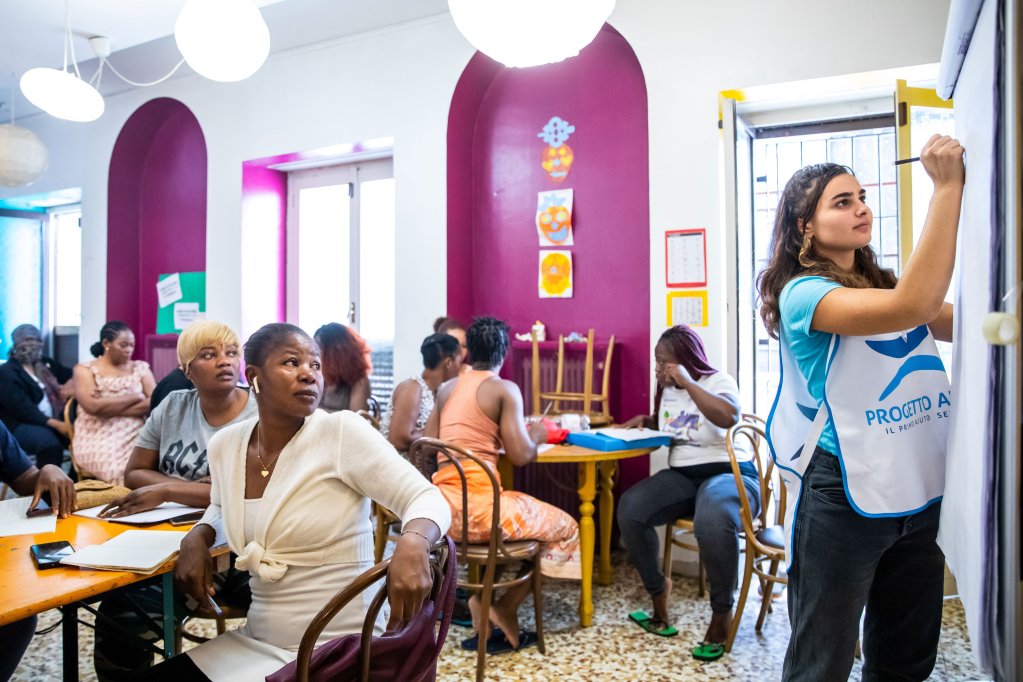
Noura* is 31 and from Tunisia. She is the mother of a two-year-old and a small baby. After a long journey, via Turkey, Serbia, Germany and Austria, she has found a place she can call home, in Milan. She talked to InfoMigrants about her story.
Read AlsoNoura's tale: 'In Italy, people give you the feeling you are welcome, and that is so important'
Integration via work and training
Milan's Chamber of Commerce is also working hard to provide projects offering training and work entries into the Italian job market, which they hope will improve the lives of migrants who take up a place on their course, and also improve integration for everyone in Italian society.
Their pilot project, which is run by the Chamber of Commerce for Milan, Monza, Brianza and Lodi, is entitled Integra, and operated by Formaper. In collaboration with eight business associations, the chamber of commerce is offering job-focused training to migrants to allow them to enter the job market in sectors that are crying out for staff. They told us more when we visited their headquarters.
Projects in the north-east of Italy
From Milan, we traveled east to the border cities of Trieste and Monfalcone, not far from the Slovenian border, in the very northeastern corner of the country.
There, we visited a housing project for unaccompanied minors which stretches across the two neighboring cities, and met some of the young inhabitants to hear about how they had arrived in Italy via the Balkan route.
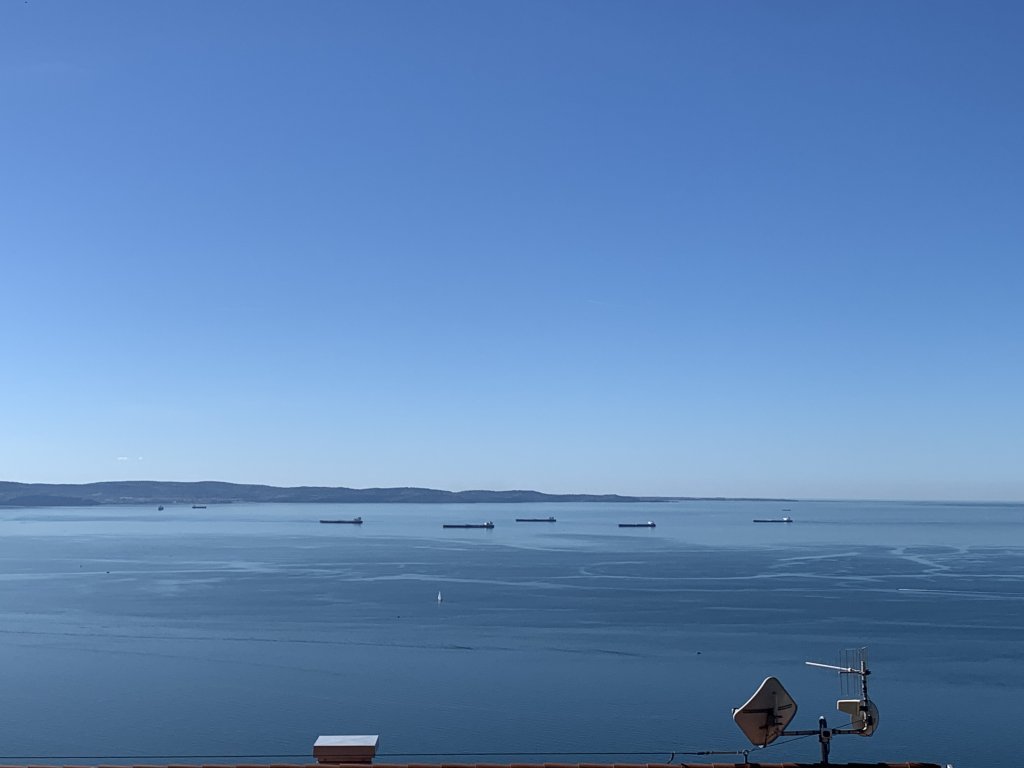
The staff at the cooperative running the community housing for unaccompanied migrant minors in Trieste and Monfalcone told us a bit more about their experiences within the Italian system, and their hopes that these young migrants might eventually become a resource for Italian society in the future.
Also in Trieste, several organizations working with migrants, asylum seekers and refugees have banded together to run a day center, and food distribution service in the city. But their center does much more than that, explains the director of one of the charities responsible for running the center, Gianfranco Schiavone.
One of the projects working within the structure of organizations that has a medical drop-in point at the day center is Donk Humanitarian Medicine. One of their volunteer nurses told us more about how the project came about and how and who it helps.
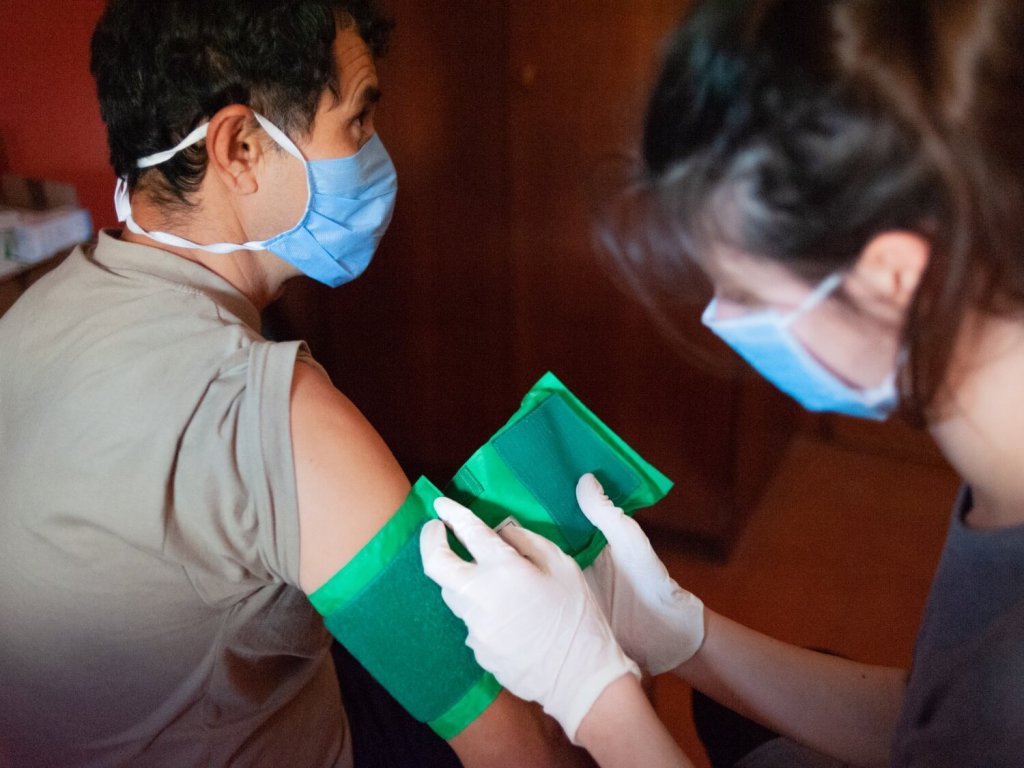
Donk Humanitarian Medicine odv is an independent voluntary organization made up of mostly volunteers. Its staff offer help treating the visible and invisible wounds of migrants and others who cannot access public medical care in Italy. InfoMigrants met one of its leading volunteers, Francesco Zanuttin, to find out more.
Read AlsoTreating the visible and invisible wounds of migrants in Trieste
Lastly in Trieste, we went along to a volunteer-run project at a local library, aimed at providing free Italian lessons to all abilities for migrants in the city. So far, migrants, asylum seekers and refugees from 55 different countries have participated in the lessons, which run twice a week from October to May every year. The teachers say they hope the lessons and knowledge of Italian will help to foster a brighter future for those who decide to stay in Trieste. They also offer a voice to those who otherwise might have remained invisible, say organizers.
Read AlsoGiving migrants a voice via Italian lessons in Trieste
Difficulties praying publicly in Monfalcone
Monfalcone has a relatively high concentration of migrants for a city of its size. Many of the migrants who call Monfalcone home work in the shipyards, which provide the economic lifeblood of the town and the region. Many of those migrants originally come from Bangladesh.
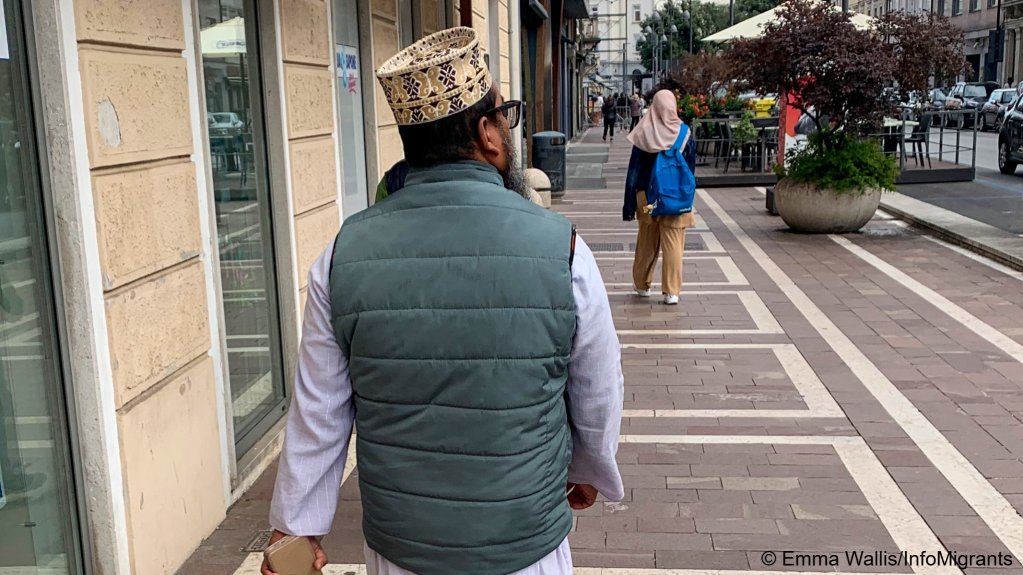
In that city, a dispute between an Islamic cultural center and the municipal authorities in the town has meant that Muslims in the town no longer have a place to meet and pray together. InfoMigrants met one of the members of the community, who used to serve as an imam, before praying at the center was banned.
Read AlsoMonfalcone: No place to pray, if you are Muslim
On patrol with the police
This corner of north-eastern Italy finds itself at one end of the so-called Balkan route, where migrants travel from Turkey, through Greece, Bulgaria, on up through the Balkans. Some of them then come through Croatia and Slovenia and on in to Italy. This is where InfoMigrants joined up with a joint patrol of Italian and Slovenian policemen in Slovenia, not far from the Italian border, to find out more about what goes on with the patrols, and about the migrants who are sometimes picked up by them.
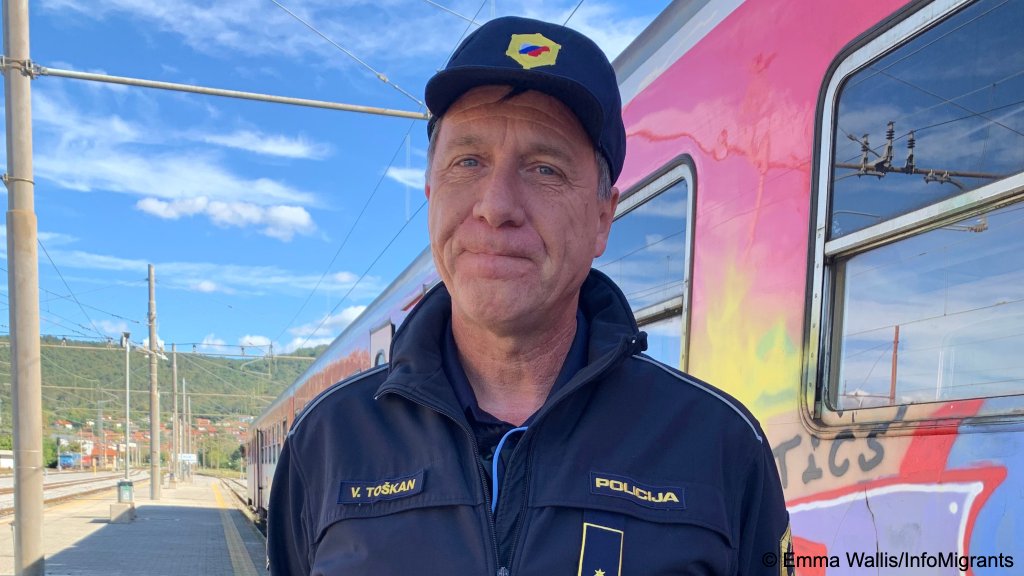
Mixed patrols at the Italo-Slovenian border have been taking place (with some interruptions) since about 2002, but how effective are they at controlling migration at one end of the Balkan route? InfoMigrants joined one patrol to find out and spoke to a legal expert in the capital Ljubljana.
Read AlsoOn patrol near the Italo-Slovenian border
*Name changed to protect their identity
Additional reporting by Arafatul Islam