
Greek authorities rescued more than 540 migrants from an overcrowded fishing boat near the southernmost Greek island of Gavdos on Friday, as arrivals from Libya to Greece’s southern islands continue to rise.
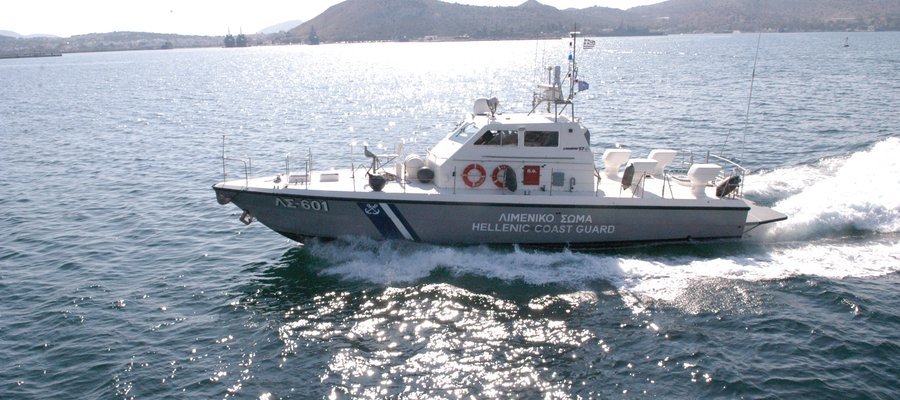
The Hellenic Coast Guard said it received a distress call shortly after 3am on December 19 and launched a coordinated search and rescue operation. The vessel was located around 16 nautical miles southeast of Gavdos, with three coast guard ships, three Frontex vessels and several commercial ships taking part.
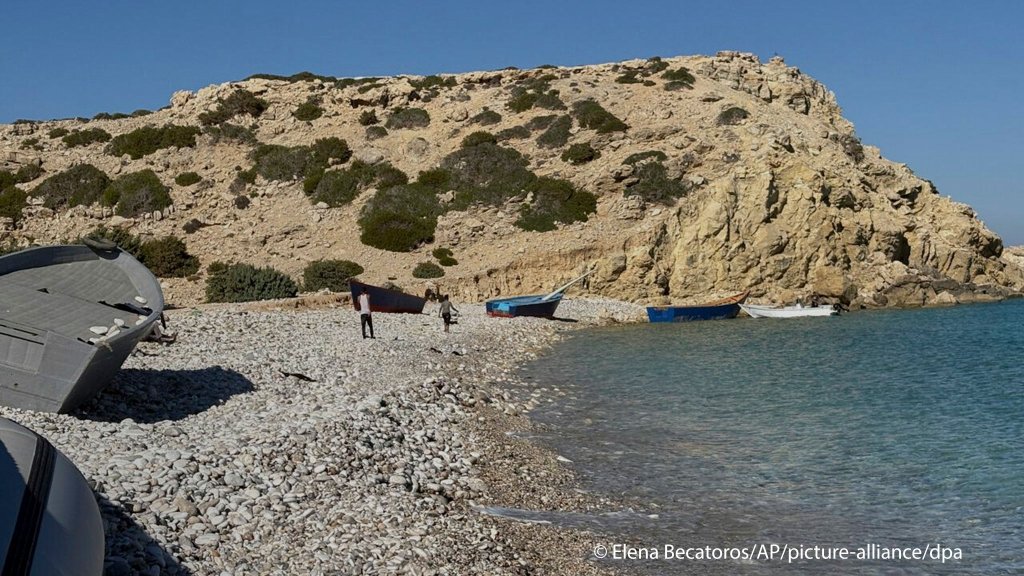
Hundreds of migrants were found crowded aboard the fishing boat. After several hours, the operation was completed safely and all 545 people were transferred to the port of Agia Galini on the nearby island of Crete, authorities said.
Local officials confirmed that the group would remain briefly in Agia Galini before being moved to Rethymno, also on Crete. Municipal services arranged food and basic assistance for the arrivals.
In a separate incident on the same day, Frontex identified another boat carrying 32 migrants off Gavdos. All were rescued and taken to Chania on Crete. No injuries were reported.
Read AlsoRising death toll in Aegean:More than 20 dead in two separate incidents off Greece and Turkey
Gavdos increasingly targeted by smugglers
The tiny island of Gavdos, Greece’s southernmost territory with fewer than 100 permanent residents, has seen a sharp increase in irregular arrivals over the past year. Rescue missions now take place almost daily, according to Greek authorities.
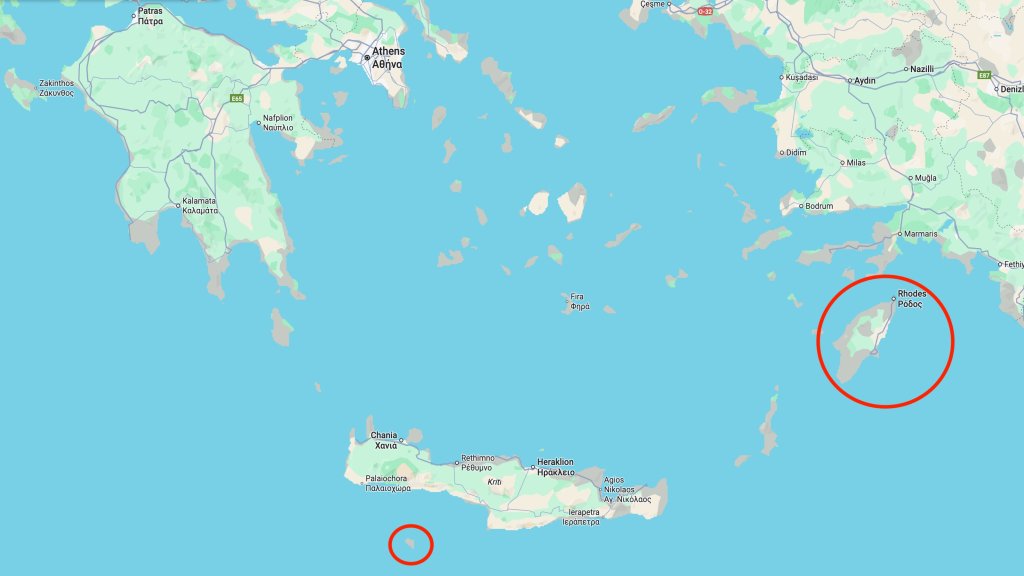
Smuggling networks operating from eastern Libya, particularly from the port city of Tobruk, have increasingly used the route to Gavdos, which lies around 180 miles from the Libyan coast. Authorities say the crossing has become more active as smugglers adapt to tighter surveillance on other Mediterranean routes.
Migrants arriving on Gavdos and Crete are mainly from Egypt, Sudan and Bangladesh. Many report paying between 2,000 euros and 5,000 euros to traffickers for the journey, which typically lasts more than 36 hours across open sea.
Read Also'The smugglers devour your money': a Guinean migrant condemns the lies of traffickers along the road
Deadly crossings continue
Despite frequent rescue operations, the Libya-Greece route remains dangerous. Boats are often overcrowded and unseaworthy, and deadly accidents are regularly reported.
In November, at least three people died after a dinghy carrying migrants overturned south of Gavdos during a rescue attempt. Dozens were rescued, but the incident highlighted the risks faced by those attempting the crossing.
Earlier in December, it was reported that 18 migrants had died in a shipwreck off Crete, on Tuesday (December 16), the Egyptian ambassador to Greece updated that number to 32. Ambassador Omar Amer posted on Facebook that most of those missing, presumed dead were young Egyptians. At least 14 of those dead have already been identified, and contact was being made with their familiese, said Amer.
The incident occurred in early December during a severe storm, with winds gusting up to 90 kilometers an hour, reported the German press agency dpa.
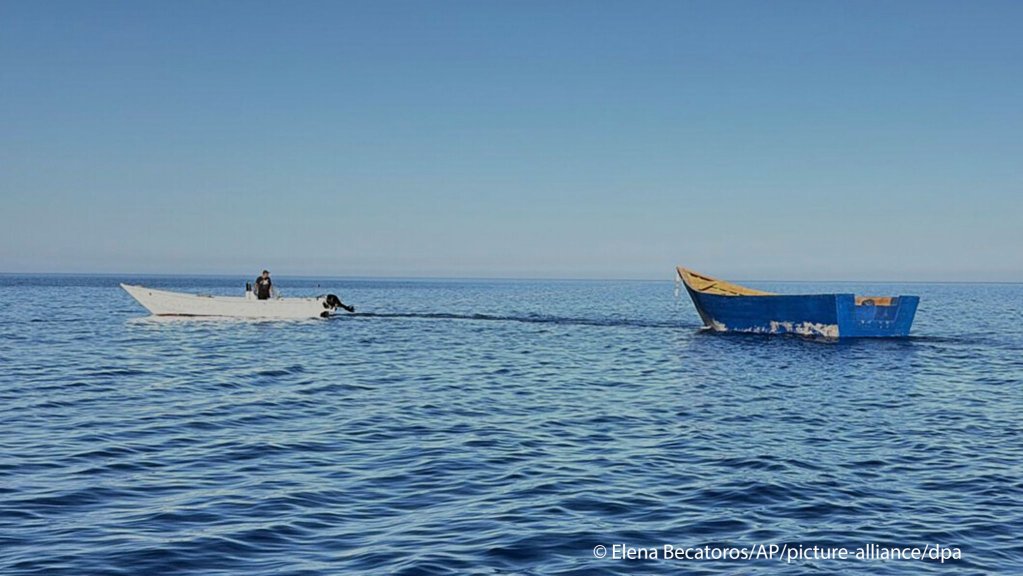
Greek authorities have also reported multiple arrests of suspected smugglers in recent months, after survivors identified individuals believed to have organized or steered boats departing from Libya.
Read AlsoGreece: Two bodies recovered in Chios and continued arrivals in Gavdos
Pressure on local infrastructure
Gavdos lacks any formal reception facilities for migrants. Following rescues, arrivals are typically transferred quickly to Crete, where local municipalities struggle with limited accommodation and resources.
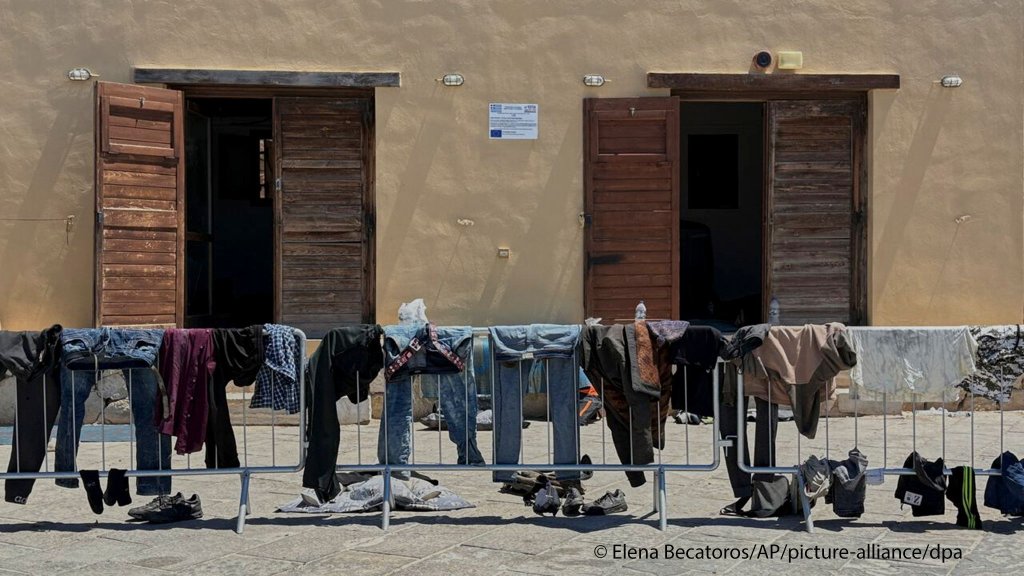
Local officials have warned that the island risks becoming a "Greek Lampedusa," referring to the Italian island that has long received large numbers of migrants arriving by sea.
More than 7,300 migrants reached Crete and Gavdos in the first half of 2025 alone, surpassing the total number recorded during all of 2024. And more than 17,000 have now arrived just weeks before the year draws to a close.
Read AlsoGreece: 145 migrants rescued in 24 hours off Gavdos
Greece and EU response
Greece was one of the main entry points into Europe during the 2015-16 period of increased migration to Europe, when more than one million people arrived from the Middle East and Africa. While overall arrivals later declined, recent figures suggest a renewed shift toward Greece’s southern maritime borders.
The Greek government has said it is prioritizing increased patrols and faster returns of rejected asylum seekers. In July 2025, Greece temporarily suspended asylum processing for arrivals from North Africa amid the increase in arrivals from that region.
At the EU level, Greece, Italy, Spain and Cyprus are set to receive additional support under a new migration and asylum mechanism expected to come into force in mid-2026. The European Union has also approved stricter migration rules, including measures aimed at combating smuggling networks and accelerating returns.
EU officials have urged Libyan authorities to curb irregular departures from eastern ports, warning that increased crossings are placing renewed pressure on Europe’s external borders.
Read AlsoGreece wants to work with Germany in building third-country migrant centers in Africa
With Reuters and dpa