
The EU's highest court has ruled that migrants cannot be held to an unrealistic burden of proof in cases involving Frontex. The judgment is expected to strengthen access to justice for others who say they were unlawfully expelled at Europe's borders. Final judgement in the case is still pending, following re-examination in the light of this preliminary ruling. The case now returns to the General Court for reconsideration.
The EU’s highest court has delivered a landmark ruling in a case accusing the European border agency Frontex of involvement in allegations of an illegal pushback at sea, marking the first time judges have explicitly recognized the evidentiary disadvantage faced by alleged victims in cases against the agency.
On December 18, the Court of Justice of the European Union (CJEU) ruled that Syrian refugee Alaa Hamoudi had presented sufficient evidence to support his account of being pushed back from Greece to Turkey in April 2020. The Court overturned an earlier decision dismissing his claim and sent the case back to the General Court for reconsideration.
In its judgment, the Grand Chamber said that "the witness statement of Mr Hamoudi and a press article chronicling the pushback operation of which he claims to have been a victim were sufficiently detailed, specific and consistent to constitute prima facie evidence."
Crucially, the Court established that in cases involving alleged collective expulsions linked to Frontex, special rules on evidence must apply, citing the "significant imbalance" between migrants and the agency in accessing proof.
Explaining the reasoning, Judge Ben Smulders said alleged victims are often "in a situation that makes it very difficult, if not impossible, for them to gather such evidence," warning that a higher threshold could "effectively grant Frontex immunity."
Read AlsoCourt imposes 'impossible requirement' on asylum seekers in Frontex cases, say activists
What happened in April 2020
The case stems from events on April 28 and 29, 2020, when Hamoudi arrived on the Greek island of Samos with 21 other refugees. According to his account, the group wanted to apply for asylum and asked locals to call the police.
Instead, they were intercepted by men wearing black, had their phones confiscated, and were forced onto a raft that was towed for hours towards Turkish waters. The group was left adrift overnight and rescued the following morning by the Turkish coast guard as the raft began to sink.
Hamoudi was later interviewed by investigative outlet Bellingcat, which published a reconstruction of the incident.
Months later, the German news weekly magazine Der Spiegel reported evidence indicating that a Frontex surveillance aircraft may have been present during the pushback.
An investigation by the EU’s anti-fraud office, OLAF, later confirmed the "credibility of the allegations." Its report described a systemic practice of pushbacks in the Aegean and accused Frontex of facilitating and covering up such operations, including by failing to report incidents and relocating aerial surveillance to avoid witnessing them.
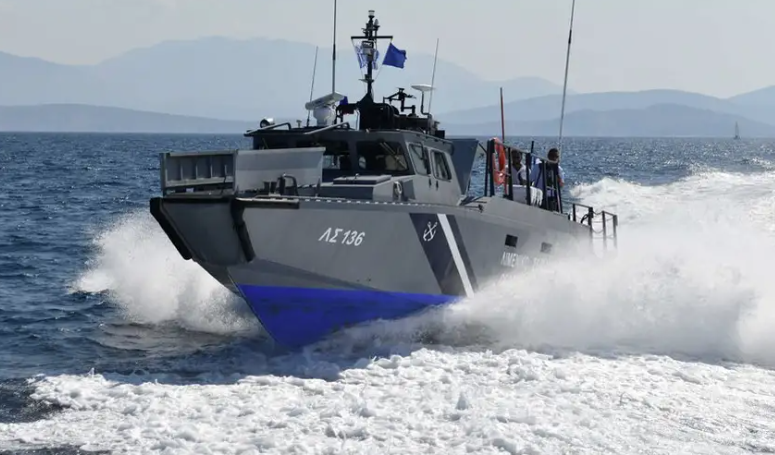
While Frontex is not accused of physically carrying out the collective expulsions itself, Hamoudi’s lawyers, experts and migrants argue that the agency’s role through surveillance, coordination and its presence during operations where pushbacks are alleged to have taken place are key. After his rescue, Hamoudi was detained by Turkish authorities for 10 days and had his passport confiscated, fearing he would be forcibly returned to Syria -- a country he fled as a child because of the civil war -- before eventually managing to reach Germany.
Read AlsoEU report reveals systematic cover-up by border agency
A long legal road
Hamoudi first met his lawyers in Turkey in October 2021, and filed a damages claim against Frontex before the General Court in March 2022. Despite submitting witness testimony, media reports and photographs showing him on Samos shortly before the alleged pushback, judges dismissed the case in December 2023, finding the evidence "manifestly insufficient."
He appealed the decision the following year. In an unusual move, the President of the Court of Justice assigned the case to the Grand Chamber, made up of 15 judges.
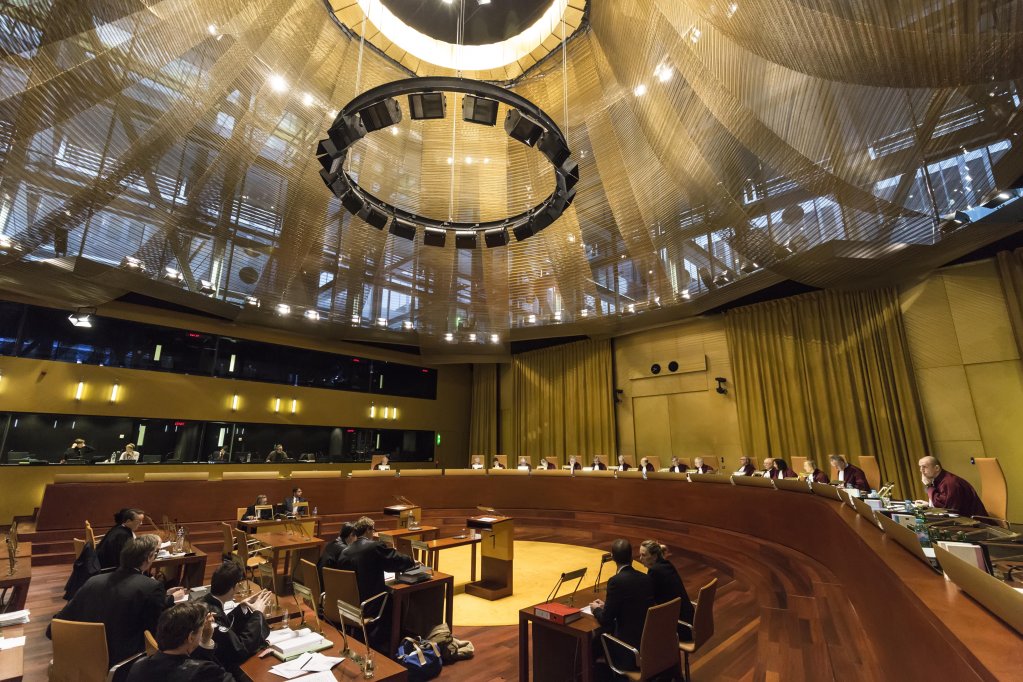
During a hearing in February 2025, Frontex’s lawyers publicly acknowledged for the first time that the pushback of April 28-29 2020 had taken place, although they declined to confirm whether a Frontex aircraft was present at the scene.
In April 2025, Advocate General Rimvydas Norkus issued a highly critical opinion -- the first ever delivered in a legal action against Frontex -- arguing that the General Court had set the bar for evidence too high and failed to examine the agency’s potential involvement in the events.
Read AlsoEU pushes ahead with overhaul of migration rules as ‘return hubs’ approved
What the ruling means for pushback victims
For Hamoudi, the judgment marks the end of a long fight to be heard. "When I first met my lawyers in Turkey, they told me it would be a long and difficult legal battle for justice against Frontex -- and they were right," he said.
Four years into the proceedings, he said he had been forced to relive his trauma and confront "the unfair mistrust shown by the judges at first instance."
"I expected a positive outcome from the court. I was very positive about this," Hamoudi said. "Thanks to the court for being fair and firm in its position."
While welcoming the decision as historic, he stressed that many others remain affected. "After much effort, we have reached a historic result, but many others are still being stripped of their rights every day at the borders of Europe," he said.
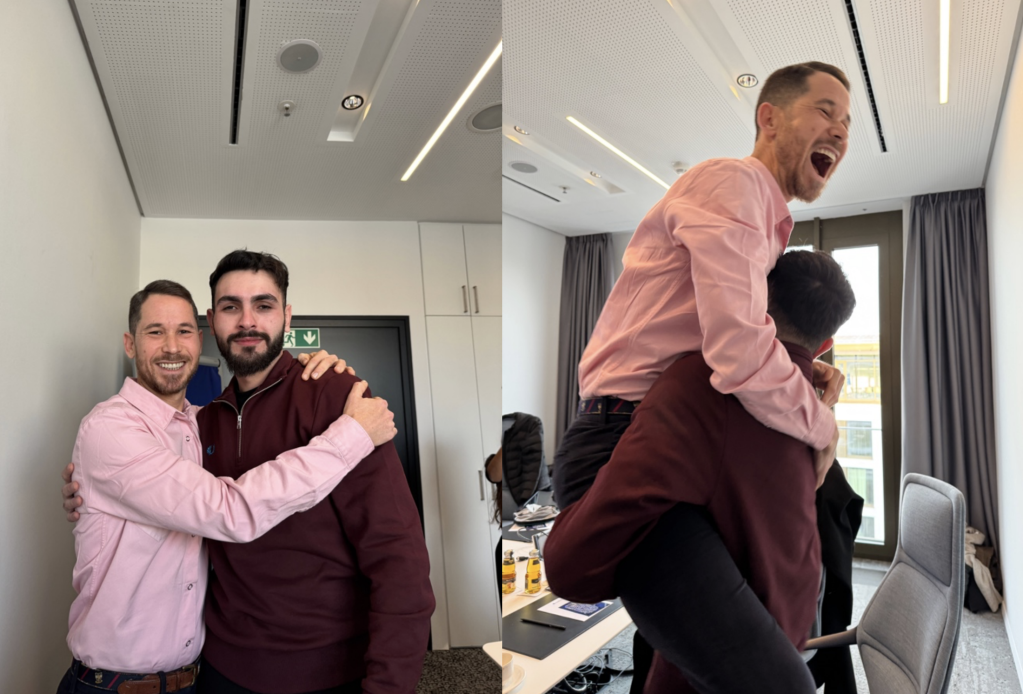
"This trial is not just a personal moment," Hamoudi added. "It is also an important step toward justice for the men, women, and children who went through the same experience as I did in the Aegean Sea and could not fight back."
Iftach Cohen, litigation director at the human rights NGO front-LEX, said the ruling could change how alleged pushback cases against Frontex are handled in court. He said judges had recognized that Hamoudi’s account was "detailed, specific, credible, and consistent," meaning that when victims present such evidence, courts must now require Frontex "to dispel doubts regarding the occurrence of the pushback allegations."
By sending the case back to the General Court, Cohen said, the CJEU had ordered it to respect "the right of potential victims of a pushback to effective protection." The ruling, he added, could finally help end "the de facto legal impunity that Frontex has enjoyed for the past 20 years."
In a statement, Niamh Keady-Tabbal, a researcher at Maynooth University who has litigated pushback cases against Greece but is not involved in Hamoudi’s case, said the ruling could "challenge the way Frontex has been structured to evade accountability.”"
Read AlsoEurope's new migration deals promise 'safe and legal routes,' but who really has access?
Frontex under renewed scrutiny
In response, a Frontex spokesperson told InfoMigrants that the agency "acknowledge[s] the position taken by the Court and its decision to refer the matter back to the General Court for renewed consideration," adding that it would "follow the next steps closely as a party to those proceedings."
The spokesperson stressed that the Court "has not ruled on the merits of the arguments of either side" and said that, as the case remains pending, Frontex "appropriately will not be commenting further on the case."
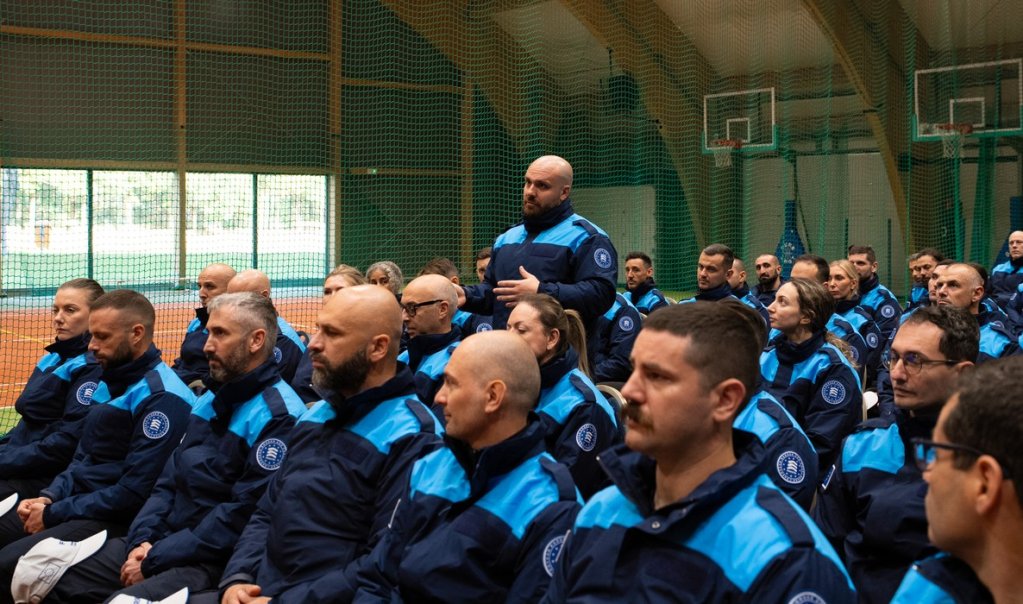
Speaking to InfoMigrants, the agency said it had "strengthened its safeguards since the events which are the subject of this case," citing more fundamental rights monitors, clearer reporting lines and stronger protection for whistleblowers.
"We will continue improving our work in line with our commitment to transparency and fundamental rights," the spokesperson said. "Our focus remains on ensuring that every person affected by our operations is treated with dignity and fairness."
The General Court will now re-examine the case in light of the ruling -- a decision that, while not yet determining Frontex’s liability, sets a new legal standard for how alleged pushbacks involving the agency must be assessed.
Legal observers say the ruling could reshape how Europe’s border agency is scrutinised by courts in the future, at a time when pushbacks have become increasingly normalised across the EU’s external borders.
Read AlsoFrontex confirms Bulgarian authorities responsible for deaths of three Egyptian minors
With AP