
Hungary has filed a lawsuit against the European Court of Justice over a record fine relating to its migration policy. The legal move comes amid broader disputes with EU institutions over migration, the rule of law and EU governance.
Hungary has filed a lawsuit with the General Court of the European Union against the European Court of Justice (ECJ), challenging the way a record migration-related financial penalty was imposed on the country, the Hungarian Justice Minister Bence Tuzson announced on Monday (December 15) in Budapest.
According to Tuzson, Hungary is not seeking to overturn the ruling, which is final, but is instead pursuing compensation for what it says were procedural failings in the case. The lawsuit relates to a June judgment, in which the European Court of Justice ordered Hungary to pay a lump sum of 200 million euros and a daily penalty of one million euros for failing to comply with earlier EU asylum rulings. The fines are being deducted from EU funds allocated to Hungary.
Read AlsoHungary reiterates refusal to take part in EU migration solidarity plan
Background to the ruling
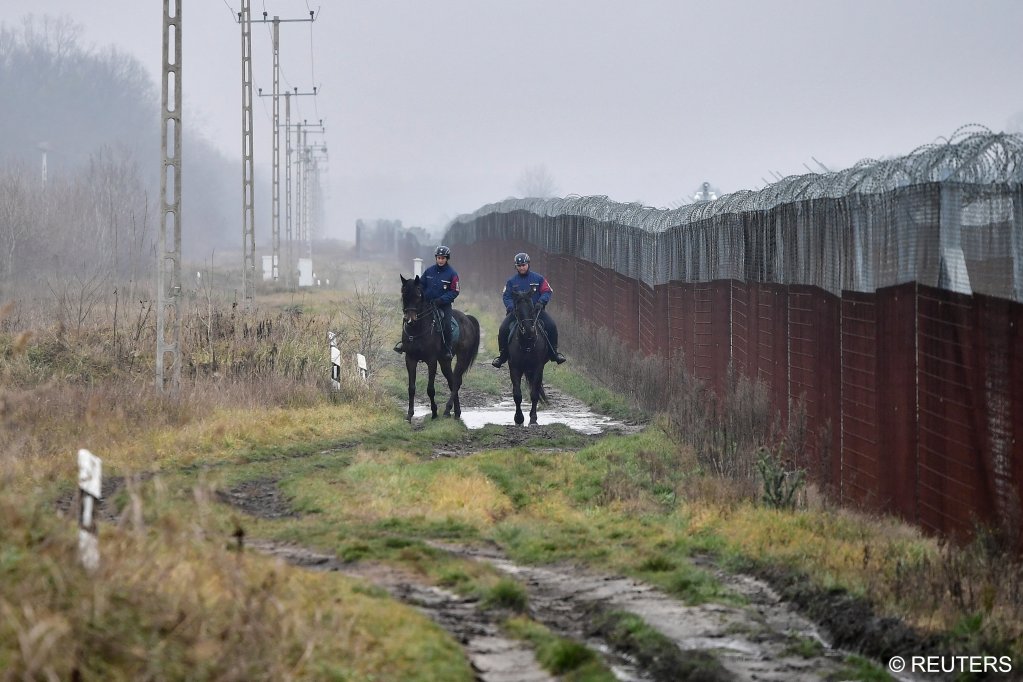
The case originates from a 2020 ECJ judgment finding that Hungary’s border "transit zones" for asylum seekers were incompatible with EU law. At the time, migrants were required to remain in the zones while their applications were examined.
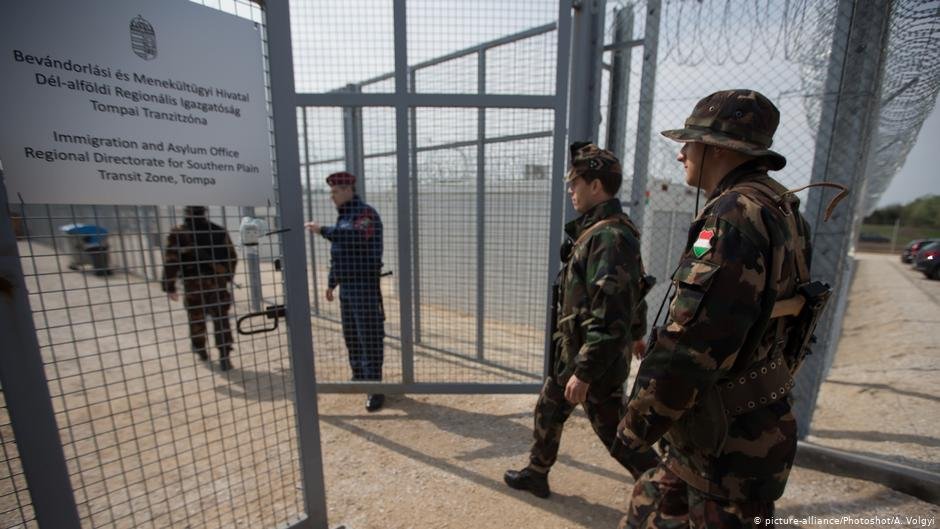
Following the ruling, Hungary closed the transit zones and introduced a new procedure requiring asylum seekers to submit an initial application at a Hungarian embassy in a neighboring country before entering Hungary.
The European Commission later argued that the revised system still did not comply with EU asylum law and asked the Court to impose financial penalties for non-compliance. The ECJ ultimately set a lump sum and daily fine significantly higher than the amounts requested by the Commission.
Read AlsoEurope's far right: The systematic and well-funded manufacturing of fear of migrants
Hungary’s legal arguments
Justice Minister Tuzson said Hungary is not contesting the substance of the judgment but has launched a damages action under the Treaty on the Functioning of the European Union, which allows compensation claims if an EU institution causes damage through unlawful conduct.
According to the minister, the Court failed to respect procedural principles, including the right to a fair trial and the obligation to provide adequate reasoning. He argued that Hungary was not informed during the proceedings that such a high penalty could be imposed, limiting its ability to respond.
Tuzson also said the Court did not sufficiently justify the scale of the fine and applied sanctions that were disproportionate when compared with penalties imposed on other EU member states in similar cases. These claims have not been independently assessed by the Court at this stage.
The European Court of Justice has not commented publicly on the lawsuit.
Read AlsoECJ judge shares legal opinion on cases where Dublin returnees are rejected
Broader tensions with EU institutions
The case comes amid ongoing disputes between Hungary and EU institutions over migration policy, judicial independence and the rule of law. The European Parliament has repeatedly criticised Hungary for what it describes as systemic breaches of EU values and has called for stronger action under the Article 7 procedure, a mechanism that allows the EU to assess whether a member state is seriously violating its fundamental values. In its most severe form, Article 7 can lead to the suspension of certain rights, including a member state’s voting rights in the Council of the European Union.
Hungary’s government rejects those accusations and maintains that migration policy falls within national competence. Prime Minister Viktor Orbán has previously said that EU institutions are using legal and financial pressure to influence Hungary’s domestic policies.
Read AlsoEU races to speed up deportations in migration crackdown
Ukraine, sanctions and frozen Russian assets
Hungary’s legal action also coincides with broader disagreements within the EU over support for Ukraine. In recent days, the EU decided to indefinitely freeze Russian state assets held in Europe, estimated at around 210 billion euros, using emergency legal procedures.
EU leaders said the move was intended to ensure continued financial support for Ukraine and to prevent individual member states from blocking the renewal of sanctions. Hungary and Slovakia have opposed further military aid to Ukraine and criticized the use of frozen Russian assets.
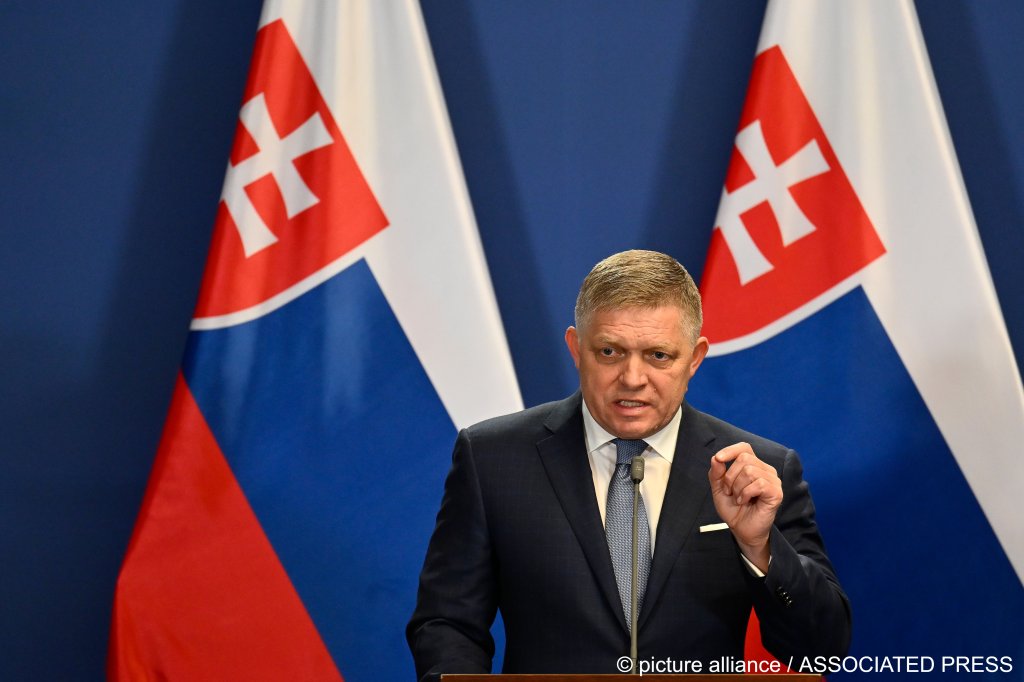
Prime Minister Orbán described the decision as undermining the rule of law, while EU officials have said the measures are legally sound and necessary in response to Russia’s invasion of Ukraine.
Separately, Russia’s central bank has announced legal action against the Belgian financial services company Euroclear, where most of the frozen assets are held, arguing that the measures violate international law. EU officials have dismissed the claim.
Read AlsoWestern Balkans: Managing migration and return hubs discussed at London summit
Next steps
Hungary’s lawsuit will now be examined by the General Court of the European Union. Legal experts note that damages actions against EU institutions, including EU courts, are subject to a high legal threshold under EU law, requiring claimants to demonstrate a sufficiently serious breach of EU law, actual damage, and a direct causal link between the two.
In the case of judicial decisions, EU case law indicates that liability arises only in exceptional circumstances, reflecting the wide discretion afforded to courts and the principle of judicial independence. As a result, successful claims of this type are rare, though the case is likely to draw attention due to its unusual nature and the broader political context in which it arises.