
A UK High Court has ruled that the Home Office failed to protect vulnerable people in immigration detention. The case exposes years of problems with mental health safeguards and reporting systems.
When two men were detained at Brook House immigration removal center near London, both were already known to be vulnerable. Each had a history of mental illness and showed signs of self-harm. Both were eventually placed under constant suicide watch.
Despite these warning signs, the systems meant to protect them failed.
In December 2025, the UK High Court ruled that the Home Office had unlawfully failed to protect vulnerable migrants in immigration detention. The case, AH and IS v Secretary of State for the Home Department, found that safeguards meant to prevent inhuman or degrading treatment were not working and had failed for years.
Campaigners say the ruling confirms long-standing concerns that protections in the UK’s immigration detention system often exist on paper but are not consistently applied in practice
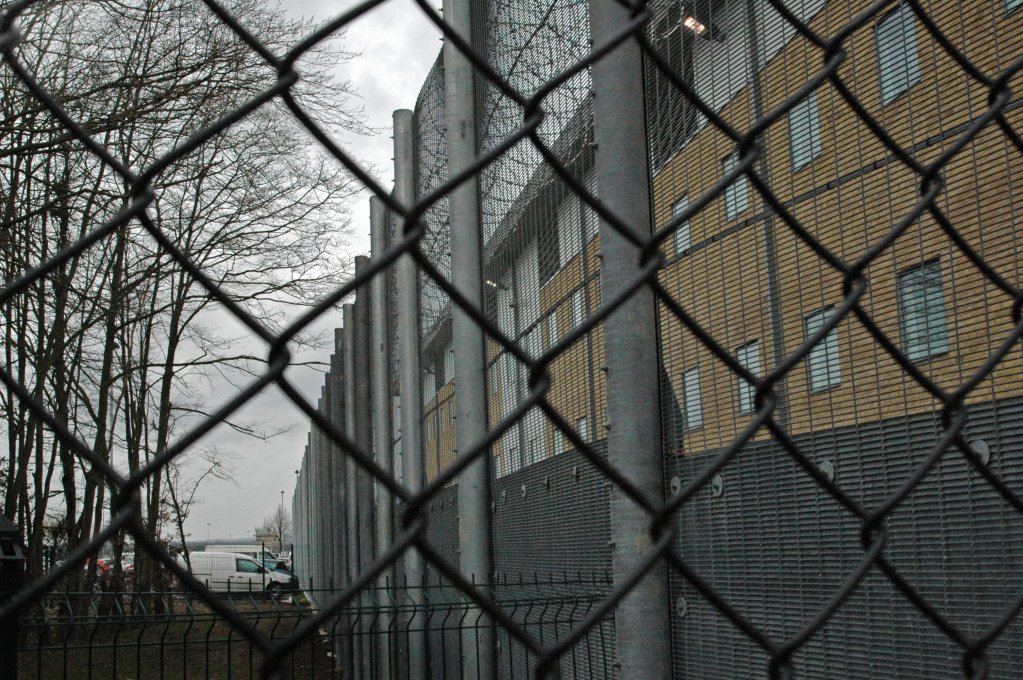
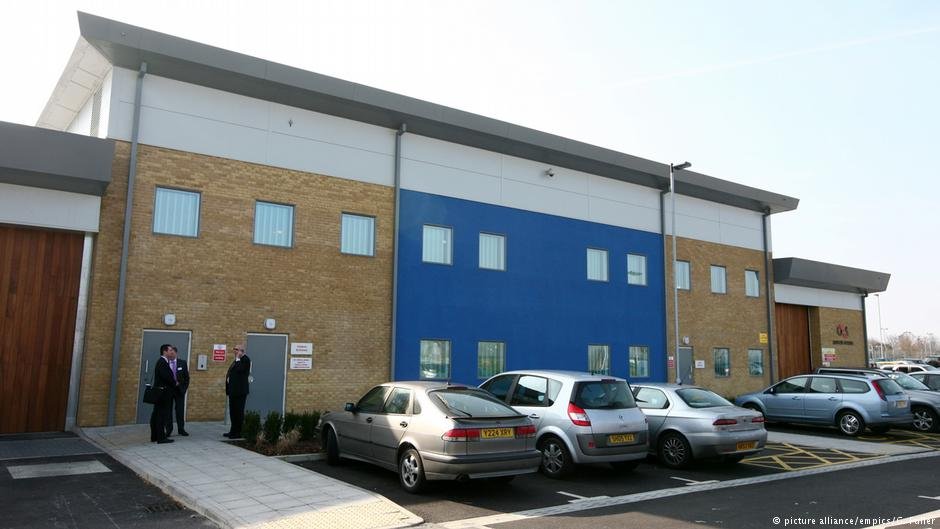
The case involved two men from Egypt and Bangladesh who were detained between July 2023 and March 2024 at Brook House, near Gatwick airport. The center has been under scrutiny since 2017, after undercover BBC Panorama footage showed staff abusing detainees.
A public inquiry later found widespread problems at Brook House, including failures to identify vulnerability, barriers to reporting harm, and poor oversight.
Read AlsoExplainer: How the UK houses asylum seekers and why it is so contentious
Why detainees struggle to report harm
The Brook House Public Inquiry, published in September 2023, found that many detainees did not understand how to complain or felt too afraid to do so. According to the inquiry, 42 percent of detainees surveyed said they did not know what to do if they experienced or witnessed violence. In later inspections, 58 percent said they did not know how to complain.
The inquiry found that fear of retaliation, concern about immigration cases, and a lack of confidence that reporting would lead to change discouraged people from speaking out. It also raised concerns about contractors investigating their own staff, with very low rates of complaints being upheld.
Read AlsoUK inquiry finds migrants were abused in detention center
Rule 35: The safeguard that failed
At the center of the High Court case was Rule 35, which requires doctors in detention centers to alert the Home Office if detention is harming someone’s health or if a detainee may be at risk of suicide or self-harm.
In this case, both men had known mental health problems and were placed under constant supervision through the detention system’s suicide-prevention process. Despite this, no Rule 35 reports were issued to trigger a review of whether they should remain detained.
The judge found a "disconnect" between the number of people on suicide watch and the very low number of Rule 35 reports. She concluded that the Home Office had breached its duty under Article 3 of the European Convention on Human Rights.
"Since at least the period covered by the Brook House Inquiry, there is a clear and persistent picture of a failure of the system intended to protect the Article 3 rights of adults at risk," the judge said.
Read AlsoUK study: Asylum claims system should not re-traumatize migrants
'Nothing will change immediately'
For Medical Justice, a charity that supports people harmed by immigration detention, the ruling reflects everyday reality.
Speaking to InfoMigrants, Emma Ginn, the organization’s director, said: "We often see Rule 35 not completed where they should be...They are routinely not done, and/or not completed properly."

Ginn also warned that the judgment "doesn’t mean anything in practical terms for people currently in detention." And explained that the judgment reflects long-standing problems rather than a sudden breakdown. "A complete dysfunction of the safeguards is ongoing."
Ginn told InfoMigrants that Medical Justice would continue to use the ruling in advocacy and legal challenges. She added that detainees and families worried about someone’s safety should seek help from lawyers where possible, healthcare units inside detention centers, the Independent Monitoring Board, or visitor groups.
Read AlsoUK: Asylum seekers on hunger strike over looming deportation to France
Home Office response
The Home Office says it has made progress in improving detention safeguards. A Home Office spokesperson told InfoMigrants the department was "committed to ensuring that detention and removal are carried out with dignity and respect."

The spokesperson added that regular reviews were carried out to ensure detention remained lawful and appropriate, and that 25 of the 30 recommendations from the Brook House Inquiry had been met and closed.
However, human rights campaigners argue the court ruling shows a gap between official policy and what happens in practice, particularly for people with serious mental health needs.
Read AlsoUK: Inside Labour's most radical asylum overhaul in modern times
Why this ruling matters
Although the case focused on two individuals, the court found the failures were systemic and long-standing.
For migrants held in immigration detention, often with limited access to legal advice and little understanding of their rights, the ruling provides recognition that harm has occurred. Advocacy groups warn that without structural change, many of the same risks may remain.
Read AlsoUK intends to follow Denmark's lead in tough-on-immigration legislation