
Germany is reviewing thousands of protection statuses held by Syrian refugees one year after the fall of Bashar al-Assad, as the government pushes ahead with a tougher migration and deportation policy.
German authorities are reviewing thousands of asylum protections granted to Syrian nationals, one year after former Syrian president Bashar al-Assad was forced from power. The move comes as Germany’s government pursues a tougher overall approach to migration and asylum.
The Federal Interior Ministry confirmed that the Federal Office for Migration and Refugees (BAMF) is reassessing existing protection statuses in cases where the situation in Syria is considered sufficiently clear. The reviews mainly concern people convicted of serious crimes, those classified as security threats, and individuals who have voluntarily returned to Syria since receiving protection.

According to BAMF figures, 16,737 review procedures involving Syrian nationals were completed in 2025 up to November 30. In 552 cases, protection was revoked. This included six withdrawals of constitutional asylum, 268 revocations of refugee status under the Geneva Refugee Convention, 184 cases of subsidiary protection and 94 bans on deportation (Duldung). In more than 16,000 cases, the protection status remained unchanged. A further 20,428 cases are still pending.
The figures show that despite political debate about Syria’s security situation, German authorities continue to consider the country unsafe for return in the vast majority of cases.
Read Also'My heart is still in Aleppo, my life bound to Germany'
A tougher migration course
The review of Syrian cases forms part of what the government has described as a major shift in migration policy. Since taking office in May, Interior Minister Alexander Dobrindt (CSU) has repeatedly emphasized a stricter approach to border controls, asylum procedures and deportations.
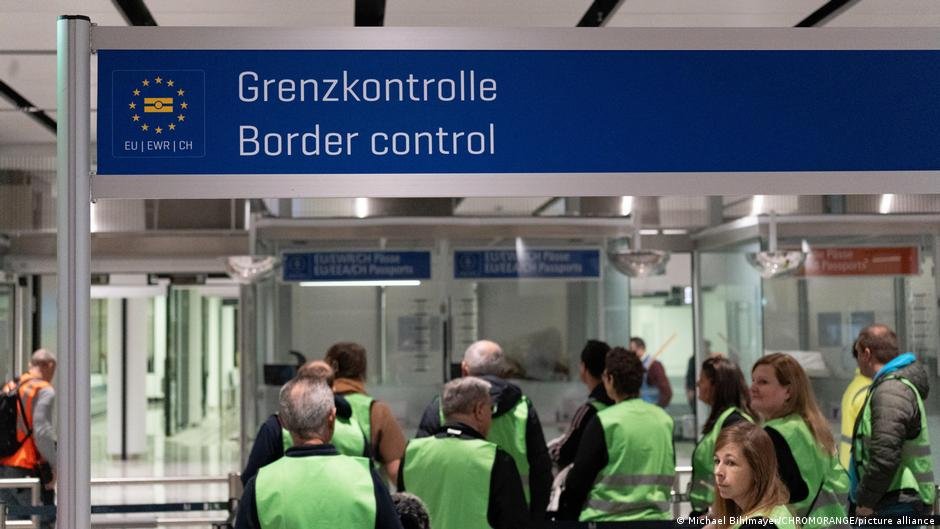
In an interview with Deutsche Welle in November, Dobrindt described his approach as “very tough.” He said border controls had been tightened, people turned away at Germany’s borders and family reunification programs suspended.
According to Dobrindt, asylum applications have fallen by around 60 percent since these measures were introduced.
Read AlsoGerman Interior Minister: 'My migration course is tough'
Deportations increase
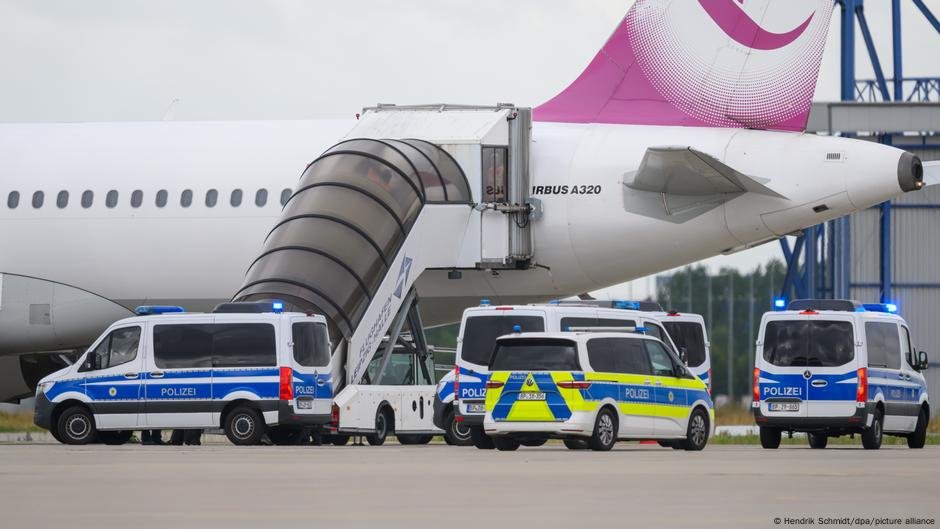
The Interior Ministry says deportations have increased "significantly." Between January and October 2025, 19,538 people were deported, around 20 percent more than in the same period last year. According to reporting based on Bild am Sonntag and Interior Ministry data, Germany recorded around 19,530 deportations between January and October 2025, about 45 percent more than in the same period in 2023.
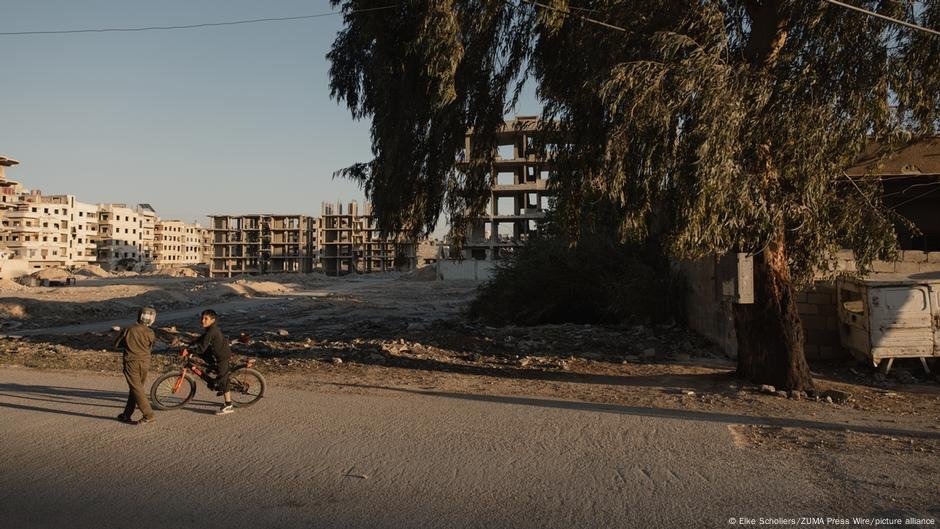
Dobrindt has also said Germany is preparing to deport people to Syria and Afghanistan, particularly those convicted of serious crimes. In July, a flight carrying 81 Afghan nationals convicted of crimes departed for Kabul. The government has since sought direct contact with Taliban authorities to allow further deportations.
Read AlsoReturning to Syria — between loss and hope
Deportations to third countries
In addition to deportations to countries of origin, Germany is also examining the possibility of deporting rejected asylum seekers to third countries. Under recently changed rules, individuals may be deported to countries with which they have no personal connection -- a requirement that previously limited such measures.
At the European level, Germany’s approach reflects a broader debate over the European Convention on Human Rights (ECHR). Several EU and non-EU states want to allow deportations even when poor prison conditions or inadequate healthcare systems exist in the destination country.
Currently, the convention can block deportations -- including of people convicted of serious crimes -- if they face a real risk of inhuman or degrading treatment.
Read AlsoGermany: New rules on 'safe countries' and tighter asylum laws
Welfare cuts for Ukrainians
Germany’s stricter migration policy has also affected Ukrainian refugees. Ukrainians arriving after April 1 now receive reduced welfare benefits, bringing them into line with other asylum seekers. Monthly payments have been reduced from 563 euros to 441 euros, and access to healthcare and welfare is more closely monitored.
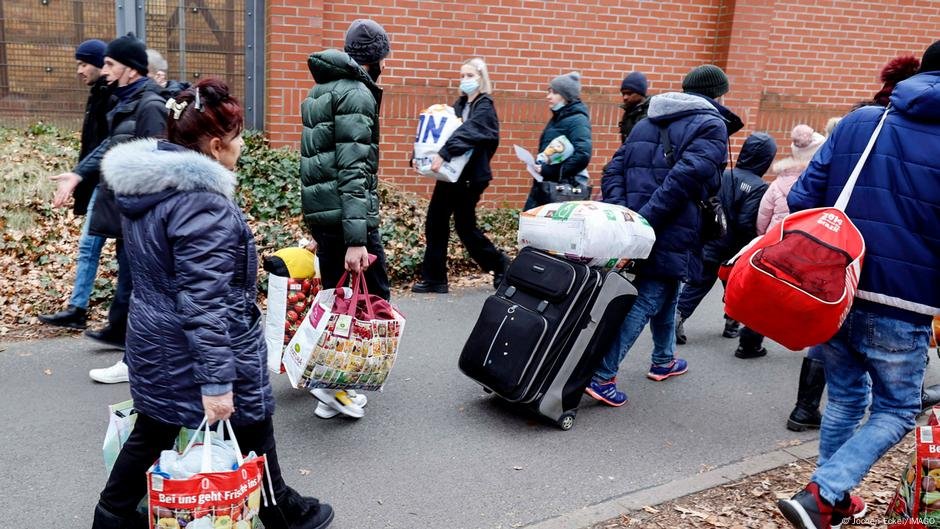
Since Russia’s full-scale invasion of Ukraine in 2022, around one million Ukrainians have arrived in Germany. According to the Interior Ministry, about 672,000 currently receive social benefits.
Concerns over delays and conditions
Humanitarian organizations have warned against tightening asylum rules and the weakening of legal safeguards and humanitarian standards. The German Caritas Association said deportations to third countries without individual assessments would be "inhumane" and risk undermining European values.

The German government however says stricter controls are needed to restore confidence in the asylum system.
For now, official figures show that most Syrian refugees in Germany continue to retain their protection status. But as Germany presses ahead with its tougher migration course, asylum policy remains a highly contested issue.
Read AlsoSyrian refugees in Germany face pressure to return
With KNA