
Blistering budget cuts have forced the UN Refugee Agency (UNHCR) to reduce its workforce by more than 5,000. The agency warned that it will be unable to support about 11 million of the roughly 36 million people it currently helps.
The United Nations Refugee Agency (UNHCR), the organization that carries the UN mandate to protect refugees, asylum seekers, and displaced people, is facing a bleak new year by a blistering budget cut of 35 percent, which is "leaving millions without access to safety, food, shelter and vital protection services, let alone the means to re-start independently," said Ewan Watson, Head of the Global Communication Service at the UNHCR at a press briefing in Geneva on December 12.
Outgoing UNHCR chief Filippo Grandi estimated that the number of people forcibly displaced by conflict and political upheaval had reached a staggering 117.3 million in mid-2025.
The number of people forcibly displaced worldwide has almost doubled in the last decade, but funding by major donors such as the United States, which has historically covered about 40 percent of the UNHCR's funding needs, has taken a nosedive. Other major European donors, such as Germany and the UK, have also cut funding contributions amidst domestic austerity measures.
Speaking in Geneva this week at the Global Refugee Forum, which monitors progress on international commitments to support refugees, Grandi blamed "unending atrocities" in Sudan, Ukraine, Gaza, and Myanmar, and slammed the "sudden, drastic, irresponsible and short-sighted collapse of foreign assistance...inflicting so much unnecessary pain in its wake."
In October, Grand already announced that the UNHCR was expected to raise only 3.9 billion dollars this year, marking a 25 percent drop compared to 2024. The UNHCR has been compelled to reduce its workforce by more than 5,000 and warns that it will be unable to support about 11 million of the roughly 36 million people it currently helps.
Read AlsoUNHCR: Funding cuts affect nearly 13 million refugees
Aghans returning to a new, different Afghanistan
The UNHCR is not the only UN agency affected by budget cuts. The International Organization for Migration (IOM) is also facing major cuts to its programs worldwide. One particularly affected country is Afghanistan.
IOM has said that nearly half of Afghanistan’s population will need protection and humanitarian assistance in 2026. This week, the United Nations warned that worsening poverty, rights restrictions, and mass returns from neighboring countries, Iran and Pakistan, will push the country deeper into crisis. Decades of conflict, the Taliban’s takeover in 2021, have forced Afghanistan into one of the world’s largest humanitarian emergencies.
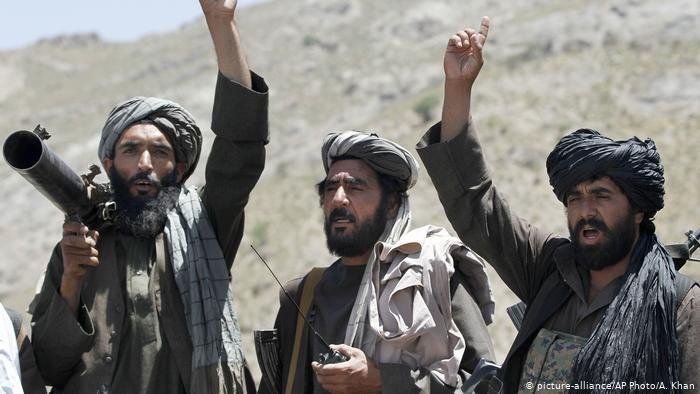
When the Taliban returned to power four years ago, hundreds of thousands of Afghans fled the country, many seeking refuge in Pakistan. Now, large numbers are being expelled under the Illegal Foreigners' Repatriation Act or pressured to return, often with little notice and few resources. Amnesty International estimates that Pakistan has expelled more than 800,000 Afghans from 2023 to 2025, putting them at real risk for persecution under Taliban rule. The IOM estimates that around 2 million Afghan nationals have returned from neighbouring Iran and Pakistan this year alone.
With the humanitarian response also overstretched following a series of deadly earthquakes, the IOM chief of mission for Afghanistan told Euronews that returnees are arriving in a country ill-equipped to absorb them, where jobs are scarce, services are overstretched, and humanitarian funding is shrinking
For the first time in four years, hunger levels are on the rise. About 22 million people will require assistance next year, while 17.4 million Afghans are now food insecure. However, budget cuts under the Trump administration have forced more than 300 nutrition centers to close, putting over one million children at risk. Additionally, more than 400 health facilities shut down in 2025 alone, cutting millions off from medical care.
UN-wide budget cuts
Earlier this month, the United Nations had already warned of the drastic measures taken to slash its 2026 overall budget, which stood at 3.238 billion US dollars, about 15 percent (equivalent to about 577 million US dollars) less than its current budget. Operationally, working with this reduced budget would mean cutting more than 2,600 posts.
Additionally, the UN said that it was burdened with arrears of about 1.586 billion US dollars mainly because the main contributors US and Russia, had not honored their contribution commitments.
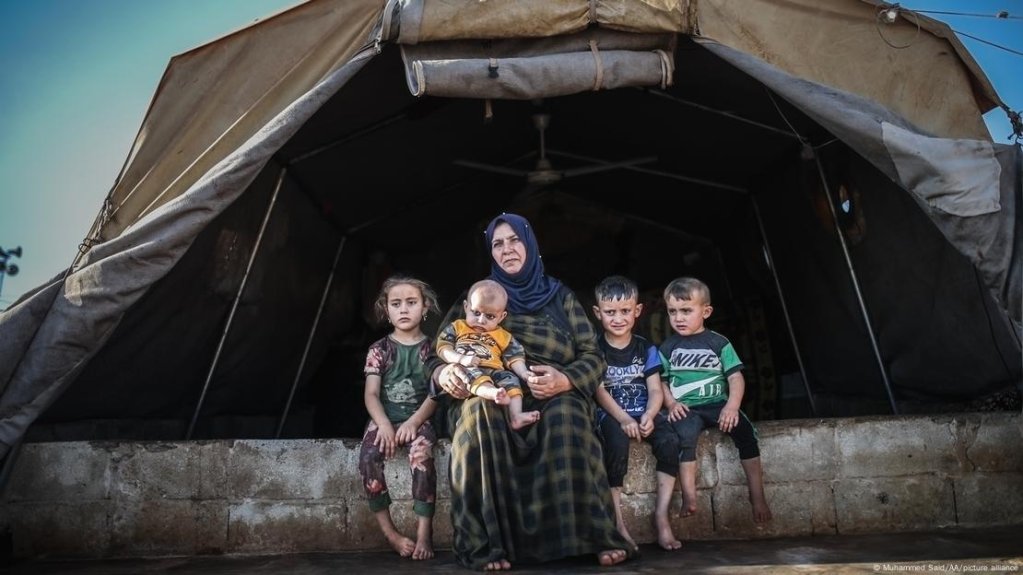
Grandi warned, “If humanitarian aid is cut, people will once again head for Europe,” Grandi warned, citing the 2015 events that saw budgets to support Syrian refugees in the Middle East slashed. Grandi stressed that it was one of the factors that propelled a mass exodus into Europe.
"We are talking about people who have already lost everything," Grandi said, pointing to countries such as Syria, where many have returned following political changes only to face destroyed infrastructure, poverty, and insecurity. Without adequate funding, returnees risk falling back into displacement.
Grandi urged donors to help “bridge the gap” and make early flexible pledges for 2026.