
The bodies were reported to have been found in Ras Asfour, a remote mountainous area in Morocco near the Algerian border. The area is marked by rugged terrain and harsh, cold winters where temperatures can mercilessly drop.
At least nine people have perished due to exposure and exhaustion in the unforgiving terrain near Morocco’s border with Algeria, the Moroccan Association of Human Rights said Saturday (December 13) in a statement, cited by the Associated Press (AP).
The rights group said that seven men and two women were found dead in Ras Asfour, a remote mountainous region where winter temperatures can plunge sharply at night.
According to the association’s statement, one of the deceased was from Guinea, while the others came from various countries in sub‑Saharan Africa. Their identities remain largely unknown. The Moroccan Association of Human Rights has pledged to follow up on the incident.
The deaths highlighted the risks of irregular migration routes that snake across the deserts and expansive land of North Africa.
Ras Asfour is a remote mountainous area located in the Jerada Province, near the Algerian border. The area is marked by rugged terrain and harsh, cold winters where temperatures can mercilessly drop.
Shifting migration patterns
Shifting migration patterns have caused North African countries such as Morocco and Algeria to emerge as launching pads and transit points for irregular crossings into Europe. The Ras Asfour region, where the deceased migrants were found, was once considered a marginal route. Changes in border control policy, cross-country alliances, and smugglers adapting travel routes have reportedly made Ras Asfour an alternative route to Europe to evade security forces in Morocco and across the Western Mediterranean Sea.
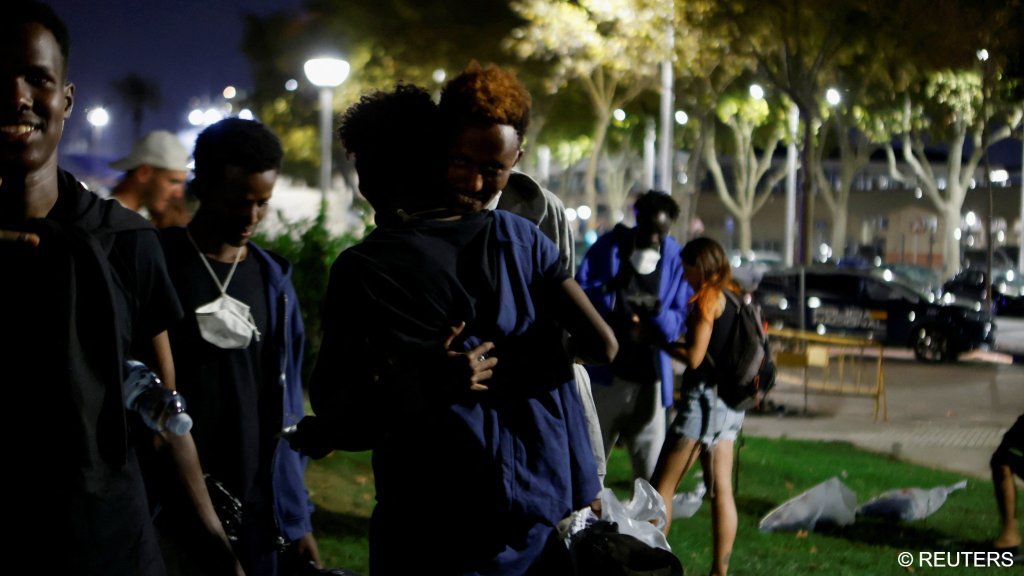
In 2023, Moroccan authorities reported blocking over 75,000 irregular migration attempts, dismantling hundreds of smuggling networks, and rescuing thousands at sea.
These enforcement dynamics have coincided with changing smuggling patterns. Routes that once focused on maritime departures from Morocco to Spain’s Canary Islands or mainland coasts have shifted, in part, to crossings from Algeria’s northern shores into the Balearic Islands, often driven by the misconception of looser border controls and faster boats.
Read Also'This summer was chaotic': the Balearic Islands face an unprecedented number of migrants
Searching for lost loved ones
Across Morocco, relatives of missing migrants are pleading for answers about the fate of their loved ones. They travel from Algeria to Tunisia, scouring prisons and knocking on the door of government offices, hoping they can find missing family members--even if it has been years since they vanished.
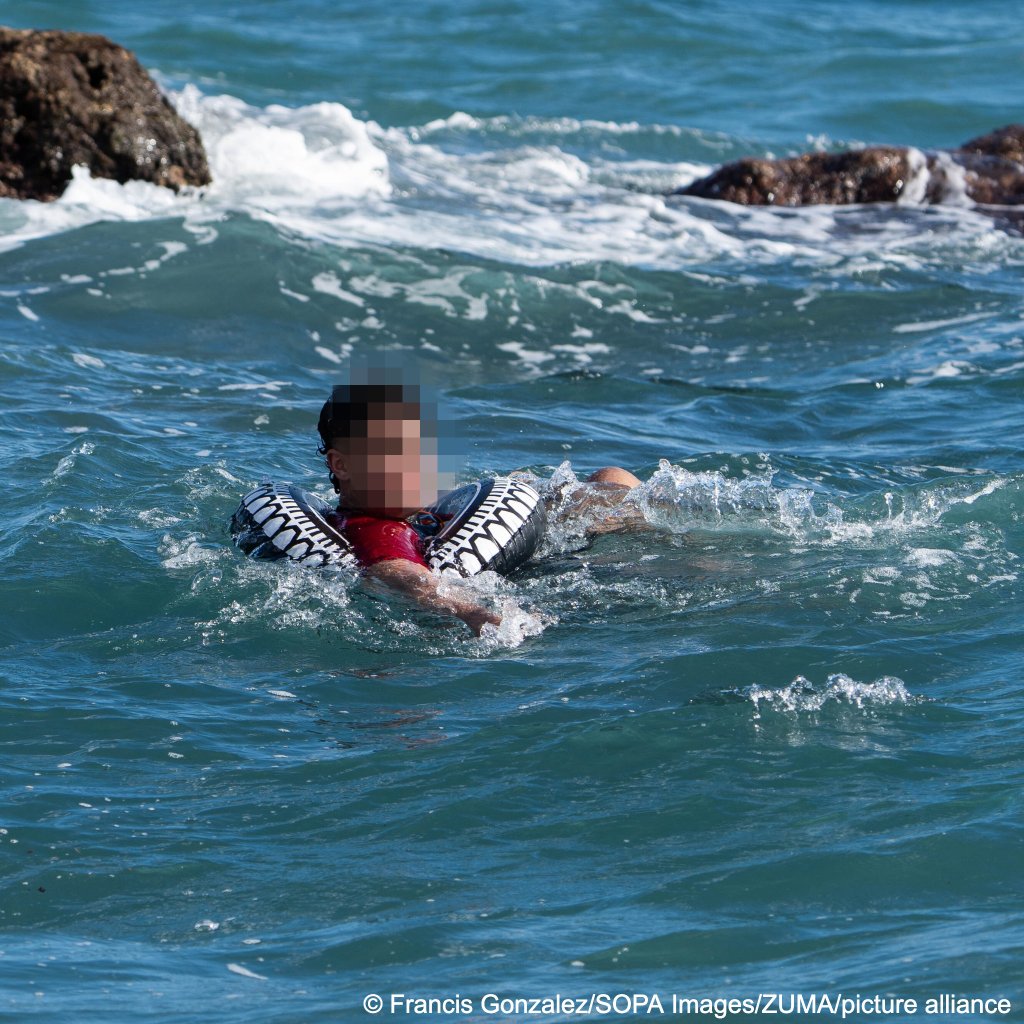
Many are looking for clues that can tell them if their children have been detained in neighboring countries or have been washed away by the treacherous waves of the Mediterranean Sea.
Last month, the anguished families demanded support from authorities as they struggled with uncertainty and the limited mechanisms available for tracking migrants once they embark on an irregular journey.
Additionally, there is inconsistent and sparse data on deaths and detentions across borders, compounding the bureaucracy of tracing a lost loved one. Mental health experts say that dealing with the disappearance of a loved one often leads to a feeling of "ambiguous loss" that prevents them from fully grieving the loss of a loved one. The prolonged state of grief is said to have symptoms that are similar to post-traumatic stress disorder.
Read AlsoMoroccan families search for their missing children