
Maltese rescue teams brought 61 migrants to shore after the boat they were traveling on capsized in the Mediterranean. The boat was reportedly carrying a mixture of migrants from Bangladesh and sub-Saharan African countries. One person is confirmed dead and five people were hospitalized as a result of the incident.
A spokesperson for the Armed Forces of Malta (AFM) said on Friday (December 12) that they received a report of a boat in distress at around 8:43 in the morning, reported the local English language news portal Malta Today.
A fisherman had reportedly spotted the boat, which at the time was outside Malta’s territorial waters, reported the Malta Independent. The fisherman reportedly told AFM that some of the migrants were already in the sea. The AFM dispatched both aerial and maritime units to the scene.
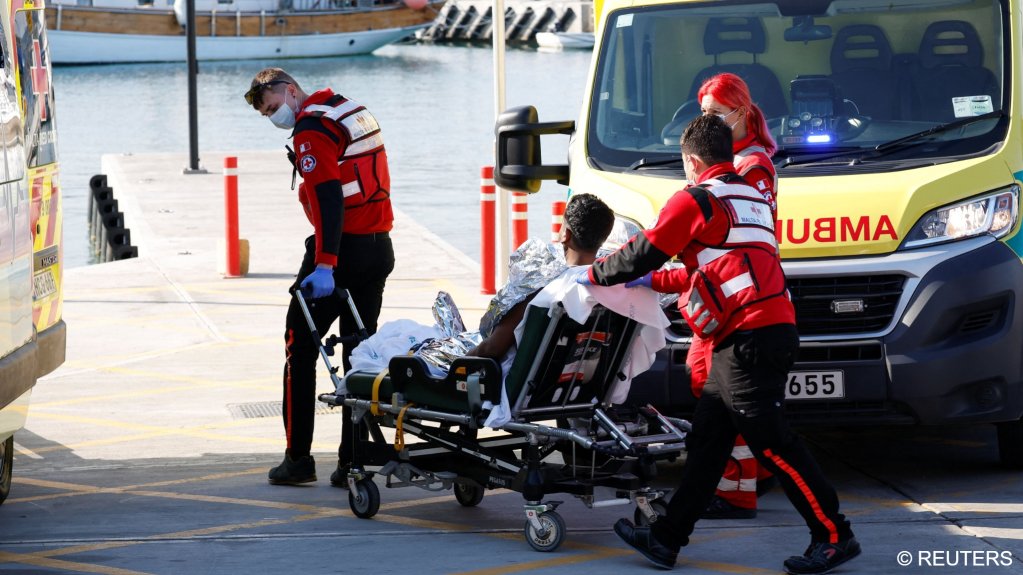
Many of those on board the boat were showing signs of severe hypothermia, reported Malta Today.
Following the rescue, the migrants were brought to land in the port of Bugibba, about ten miles north of the capital Valletta, where they were wrapped in sheets and recovery blankets.
Read AlsoEU Migration Commissioner calls for further negotiation with Libya
First major migrant arrival on Malta since 2020
This is the first major migrant arrival on Malta since 2020. That year, arrivals on the island reportedly stood at 2,200 for the year, compared to just 238 people arriving last year in 2024.

Bangladeshi males made up the majority of arrivals in 2024, according to UNHCR data. These accounted for 73 percent of arrivals in the last quarter of 2024, with Egyptian nationals making up another 16 percent. According to the latest data from the UN Refugee Agency, last updated on December 14, just 185 migrants arrived in Malta since the beginning of the year.
Most of those arriving in Malta depart from Libya. In fact, according to data from the European Border Agency Frontex, this year, more than 90 percent of all departures on the Central Mediterranean route, which includes attempting to arrive in Malta and mostly Italy, are from Libya.
During the first 11 months of this year, according to Frontex, there have been more than 63,200 detections of irregular crossing attempts on the Central Mediterranean route, which is broadly unchanged compared to the same period in 2024.
Read AlsoThe Libyan Coast Guard – explained
'Med Five' countries
The so-called 'Med Five' countries, comprising Cyprus, Greece, Italy, Spain and Malta met in Malta on November 29. At the summit, which largely addresses issues of migration, home affairs ministers from all five countries declared that the way forward was to strengthen relations with countries of origin and transit, in order to try and reduce the number of crossings still further.
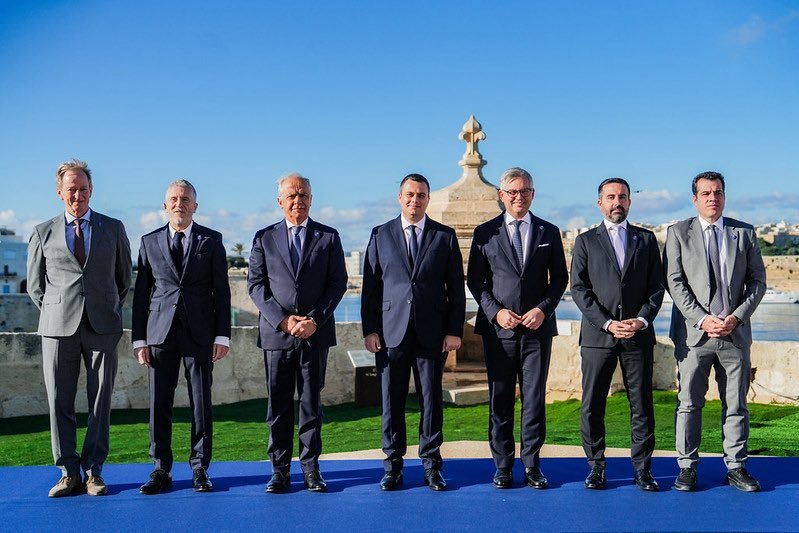
Maltese Home Affairs Minister Byron Camilleri said during the meeting that his country's position was to "save people." Camilleri added that anyone deserving asylum would "get it, if not you will be sent back."
Most of the migrants now arriving in Malta arrive on the island on flights from Italy, reported the news agency Reuters. The news agency reported that the migrants then tend to overstay their right to stay in the country and then try and find irregular work.
Read AlsoMediterranean: 175,000 migrants rescued since 2015
Departures from Libya
The vast majority of migrants leaving Libya at the moment on the Central Mediterranean route are headed for Italy. Over the last year, a second route, from Libya towards the Greek island of Crete has also got much busier.
Although arrivals via that route began in 2024, according to Frontex data, this year, the numbers of crossing attempts toward Crete has risen by 260 percent.

The Maltese authorities have set their sights on increased work with the Libyan authorities to try and prevent migrant departures in the first place. This includes supporting the training of the Libyan coast guard, reported Reuters.
At the meeting of the Med Five countries in November, Camilleri reportedly told his ministerial counterparts that every sea voyage taken by irregular migrants carries a risk of death, thus "by working with Libya and preventing crossings, we are saving lives."
Camilleri added, "Europe must be the one who decides who comes in."
Read AlsoEU urges Libya to combat Mediterranean migrant sea crossings