
How has help for and engagement with migrants, asylum seekers and refugees altered over the last ten years in Germany? And what do the latest crime statistics suggest about links between migration and crime in Germany?
A number of significant events, from over a million arrivals at the start of the decade, to multiple attacks against women in Cologne on New Year’s Eve, to the arrival of those fleeing Ukraine have made their mark on how the public respond to, donate for, and are willing to help asylum seekers, migrants and refugees.
The reporting of crimes perpetrated by migrants can also have an influence on societal attitudes towards asylum seekers and refugees, even if the statistics might tell a different story. Earlier this week, Germany’s BKA Federal Investigative Police Force published its statistics on migrant crime for 2024.
It found that out of 1.967 million known criminal suspects in 2024, 172,203 were temporary migrants, like asylum seekers, people granted asylum or other temporary rights to reside in Germany, or were actually in the country without papers. That equates to 8.8 percent of the total number of suspects, and is almost the same as data from 2023, which found that 8.9 percent of criminal suspects were in this category.
Read AlsoSweden and Syria announce cooperation for returns of migrants convicted of crime
Statistics, migrants and sexual crimes
Overall, in Germany, according to BKA data, there are around 3.6 million temporary migrants in Germany. Germany has a population of about 83.6 million currently. If you include in the data people with longer-term or permanent residency rights, who migrated at some point to Germany, then roughly a third of all suspects were not German citizens. This cohort, said the BKA, makes up about 15 percent of the population. The remaining two thirds of suspects are German nationals.

When it comes to sexual crimes in 2015, migrants made up about three to four percent of the population, but were suspects in about 10 to 15 percent of cases of serious sexual crimes, stated Christian Walburg, criminologist at the University of Münster, in an interview with KNA.
Ten years ago, many German citizens appeared to be hopeful that they, part of a relatively rich and stable country in the middle of Europe, could welcome and help more than a million migrants, asylum seekers and refugees, mainly arriving from Syria.
But shortly after German Chancellor at the time Angela Merkel had uttered that now famous phrase "Wir schaffen das," ("we can do it", perhaps a variation of then US President Barack Obama’s famous campaign slogan "yes we can!"), the tide began to turn.
Read AlsoMerz says Europeans fear 'public spaces' due to migration
Attacks in Cologne
On New Year’s Eve 2015, multiple attacks on hundreds of women at Cologne’s central station, mostly perpetrated by people with a North African or Muslim background, many of whom had recently entered Germany as migrants or asylum seekers, sparked debate.
According to the latest statistics, migrants are found to be overrepresented in the number of suspects accused of sexual crimes, reported the German Catholic news agency KNA. However, statisticians underline that this is not exactly because they are migrants alone, but because the majority of those who came to Germany tend to be overwhelmingly young men, who are the most common perpetrators of this kind of crime, irrespective of where they might come from.
The welcome committees that had been set up in stations, the flowing donations and the people volunteering to help children or adults with learning German or navigating the system began to be less enthusiastically staffed.
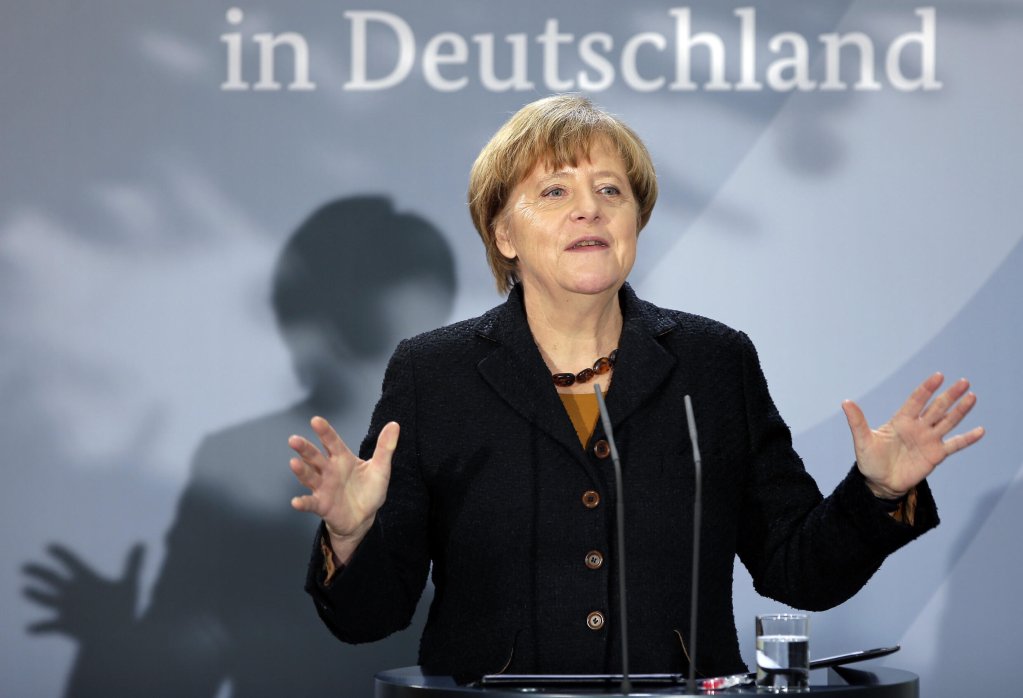
Today, policies and statements coming from the government appear to want to highlight the possible dangers and problems that can go along with migration, or from some groups of migrants.
Even back then, the voices against taking hundreds of thousands, if not more than a million asylum seekers became louder. Measuring exactly how the engagement towards helping new arrivals in Germany is difficult to measure, however, migration and integration sociologist Marc Helbling told KNA.
Read AlsoEurope, migration and the perennial question of integration 10 years on – part 1
Most people's attitudes remain stable
"You can only really offer engagement when there is an opportunity to do so," notes Helbling. So the engagement during autumn 2015 was certainly high, because so many hundreds of thousands of migrants arrived in the country, many or most of them seeking protection.
Helbling thinks that actually most people’s engagement or not with migrants remains relatively stable. The level of your engagement will depend on how you see migration in general, thinks the sociologist.
Events like the attacks in Cologne station, or knife attacks or terrorism might have a short-term influence on people’s engagement levels, thinks Helbling, but might not change someone’s overall attitudes.
For instance, those who volunteer for organizations like the Johanniter, an international Christian help organization, told KNA they saw only a very small change in engagement after what happened in Cologne central station.
Read AlsoGermany: Interior Minister says citizenship holders should align with 'German values'
Volunteering
Anne Ernst, who led those working with migrants and refugees for Johanniter in 2015 told KNA "there was immediately after a lot of uncertainty among those who were helping." Some people wanted to make sure that they weren’t left alone with migrants or refugees.
Johanniter responded and developed safety and security concepts, explains Ernst. Teams of volunteers or staff with Johanniter would go and help groups of migrants and refugees, for the better protection of everyone.
Over the course of 2016, Ernst noticed that fewer people were volunteering to help, but that she believes that is normal after a big event. They noticed the same phenomenon after other disasters, crises or incidents, like for instance the floods in the Ahr valley in Germany, or the arrival of people fleeing Ukraine in 2022.
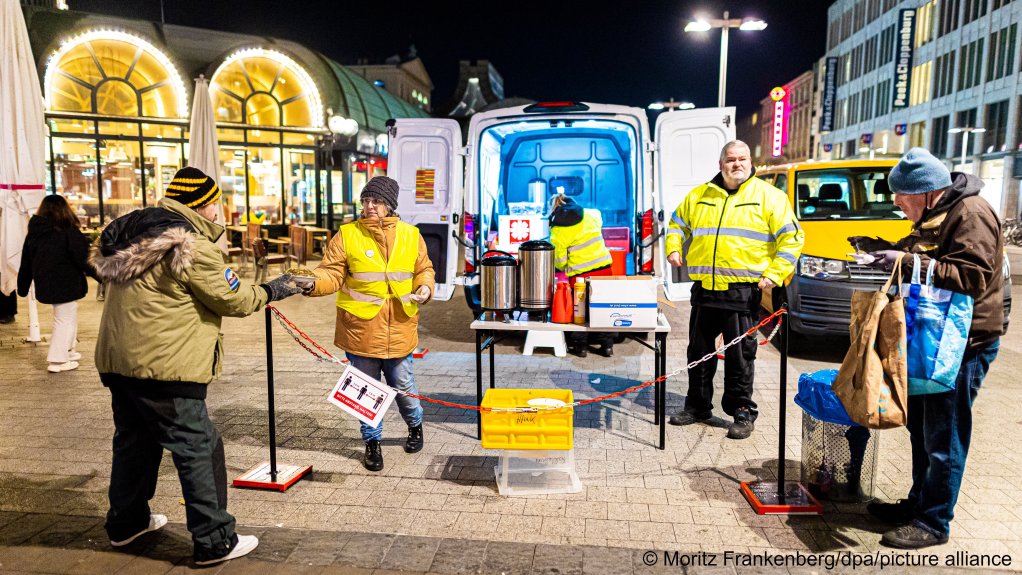
Most people are often only willing or able to volunteer for a short period of time, thinks Ernst. Results from Germany’s volunteering survey this year suggest that engagement has actually increased this year. The survey, commissioned by the German government shows that over the last five years, people volunteering to help with migrants, asylum seekers and refugees stands at 28 percent of the population. In 2019, it stood at 24 percent.
What is interesting, reports KNA, in the survey, is that many migrants themselves are starting to volunteer to help other people who may have arrived later than them in Germany.
Read AlsoGerman media bias falsely inflates crime by foreigners
Donations
Germany also has statistics on the amount of money people donate to refugee charities. In 2022, for instance, after the Russian invasion of Ukraine, that figure for the year stood at 1.13 billion euros, a high point over the last decade. In 2016, people donated 488 million euros and in 2024, they donated 418 million euros, so not a huge decrease overall.
The levels of engagement towards refugee groups and migrants can vary. Helbling says that according to research, "some groups are afforded more attention than others. That might be if they are from Europe, Christian, women and have higher education levels," this group tends to describe at the moment a large proportion of people fleeing Ukraine.
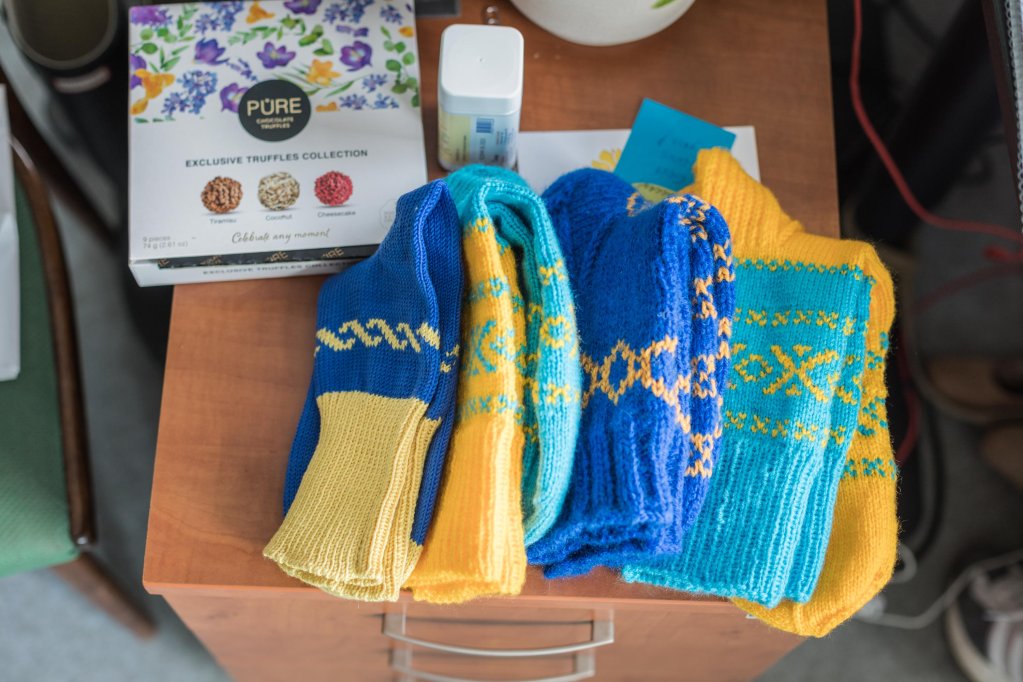
There is less engagement often, shows the research, for migrants, asylum seekers and refugees from countries like Syria or Afghanistan, even when sometimes they might need more help than the first group.
Read AlsoAnti-immigration politics contribute to racism in Germany
'More integration instead of deportation'
Criminologist Christian Walburg told KNA that he believes that Germany needs to work even harder on integration in the coming decades in order to help the whole of society absorb all the new people who have arrived over the last ten years. This, he thinks, would be more effective than promoting policies of deportation, which the current government is pushing in relation to certain groups convicted of crimes, like Syrian and Afghan migrants.
Walburg recommends that despite the statistics and people’s attitudes, working on integration and psychological support are the best ways to help everyone in society. He points out that many migrants and refugees do not have strong networks in their new countries, and often have been victims of trauma and violence themselves, either in their home countries, which caused them to flee, or along their journeys.
"We need to concentrate more work in kindergartens and schools, to make sure that things go better for the second generation," thinks Walburg. He says that while their parents are new to Germany, and might have had a difficult start in life, the risk that they too might face difficulties and could become a risk group for being more likely to commit crimes too is "already slightly higher," although Walburg warns against generalization.
Read AlsoAfghanistan: Germany 'close to reaching deportation deal' with Taliban