
Asylum applications in the EU+ countries continued to decrease in 2025, continuing a downward trend from 2024. A changing political situation in Syria as well as more restrictive policies in the EU contributed to the fall in numbers, but a persisting displacement crisis in Sudan, instability in the Sahel, and a lack of economic perspectives for young populations in South Asian countries have meant that large numbers of people continue to flee, including to the EU.
InfoMigrants looks at some of the most important developments in migration towards the EU in 2025 – in pictures.
The Libya-Crete route emerges
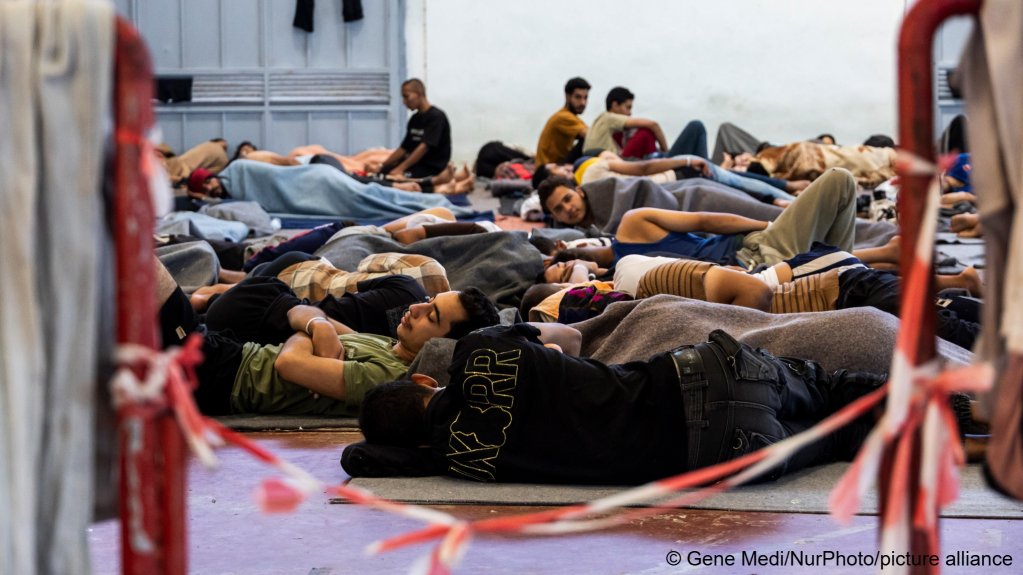
The Greek islands of Crete and Gavdos became primary points of arrival, with most migrant boats departing from eastern Libya. While the route already started to emerge in 2024, numbers significantly increased in 2025 (over 17,200 by December 11, according to UNHCR, compared to about 5,100 in all of 2024, according to RSA). Most of those arriving were Egyptians, Sudanese, and Bangladeshis. Lacking adequate reception facilities, the islands were quickly overwhelmed by the arrivals, with many having to sleep on the floor in overcrowded conditions.
In response, the Greek government threatened to dispatch warships into international waters near Libya to prevent these arrivals and temporarily suspended asylum applications for those arriving by boat from North Africa. The policy was criticized by organizations like the UNCHR and the Council of Europe as a violation of international law. In September, Greece approved legislation that could mean rejected asylum seekers receive prison terms if they do not leave within 14 days.
Read AlsoGreece: Asylum stop in Crete results in drop of migrant arrival numbers
Western Mediterranean: Migrants head from Algeria to the Balearic Islands

While migration on the Atlantic route to the Canary Islands fell sharply in 2025, the Balearic Islands became a more prominent entry point to Spain, with most migrants departing from the Algerian coast, and Algerian nationals also made up the vast majority of arrivals on the Western Mediterranean Route. Departures from Morocco, in comparison, decreased significantly as a result of bilateral cooperation with Spain and more border and sea patrols. Arrivals on the Balearic islands numbered 3,000 in the first six months of 2025 – around 3.5 times more than the same period in 2024. By December this year, 6,700 had arrived, according to UNHCR data.
Read Also'This summer was chaotic': the Balearic Islands face an unprecedented number of migrants
Many Syrians return home, others fear deportation
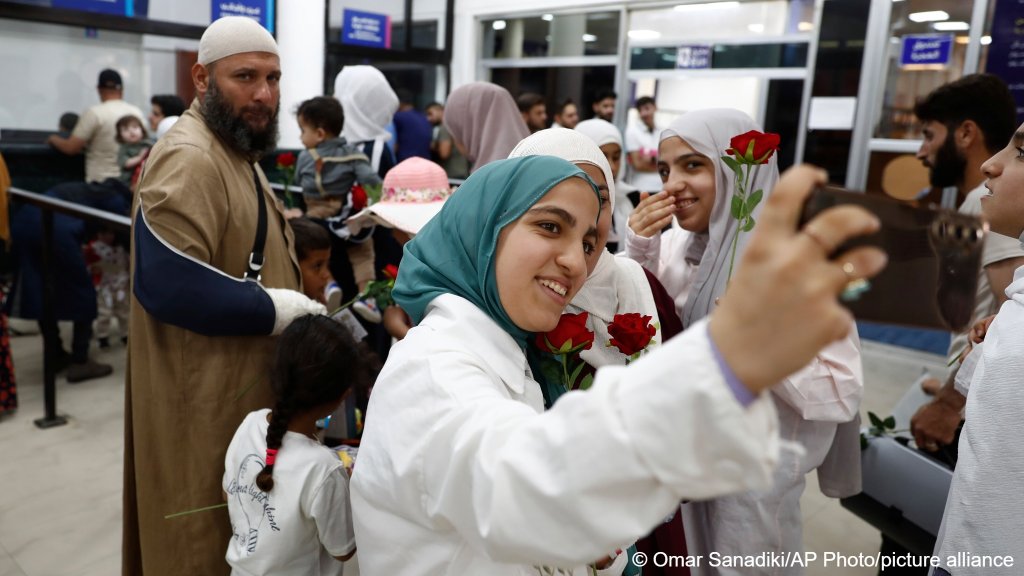
Following the fall of the Assad regime on December 8, 2024, the situation in Syria evolved rapidly, with a transitional government taking shape, and international sanctions being lifted. The number of Syrians requesting asylum in the EU+ dropped significantly from 16,000 in October 2024 to 3,500 in September 2025; and many decided to return home. By December 2025, about 1.2 million Syrians had returned from abroad, and 1.9 million internally displaced returned to their areas, according to UNHCR. However, most of the returnees came from neighboring countries rather than the EU. Still, they face obstacles, including destroyed homes, damaged infrastructure, and a lack of basic services and job opportunities, and concerns about safety and security remain a major obstacle to return for many.
Meanwhile, EU states are seeking ways to return migrants to Syria, first and foremost those convicted of crimes. The EUAA issued updated asylum guidelines for Syrian nationals, stating that the situation in Syria is "considered improved but volatile" since Assad's fall in December 2024, and that "indiscriminate violence continues to take place" in certain parts of Syria. Many of the more than one million Syrians living in Europe fear they will lose their protection or be made to go home.
Read AlsoEU updates asylum guidance for Syrians
Sudan -- the world's 'largest displacement crisis'
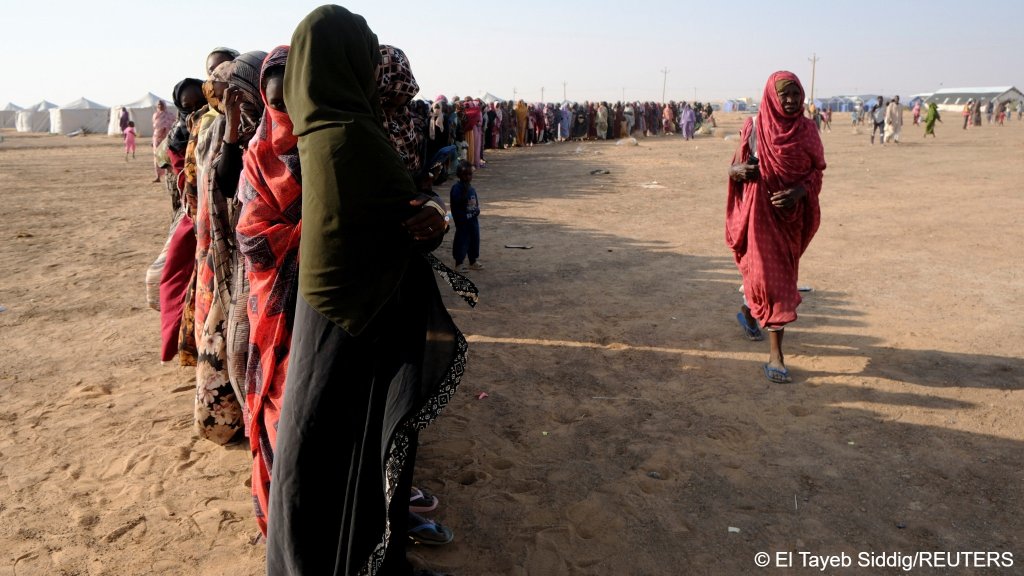
Deadly conflict in Sudan continues to have a devastating impact: Almost 13 million people have been displaced so far -- with almost 9 million displaced internally and 4 million seeking safety in other countries, mostly Sudan's neighbors. The UN describes it as the "world’s largest humanitarian crisis" and the "largest displacement crisis." The fall of the city of El-Fasher in October to the Rapid Support Forces and the massacre that followed has led to thousands of civilians being executed or murdered. The IOM warned in mid-November that "humanitarian operations are now on the brink of collapse" and urgently called for increased funding and immediate humanitarian access "to avert an even greater catastrophe."
While most Sudanese refugees remain in neighboring countries, attempts to reach Europe have increased too: In September 2025, applications from Sudanese nationals reached 2,100, an increase of 147 percent compared to the same period in 2024. Arrivals were greatest in Greece. Here, Sudanese applications increased by some 366 percent in the 12 months leading up to September 2025, according to the EUAA.
Read AlsoWar in Sudan: 'In Darfur, some people have been displaced for the third or fourth time'
France: Desperate scenes as migrants continue to cross the Channel
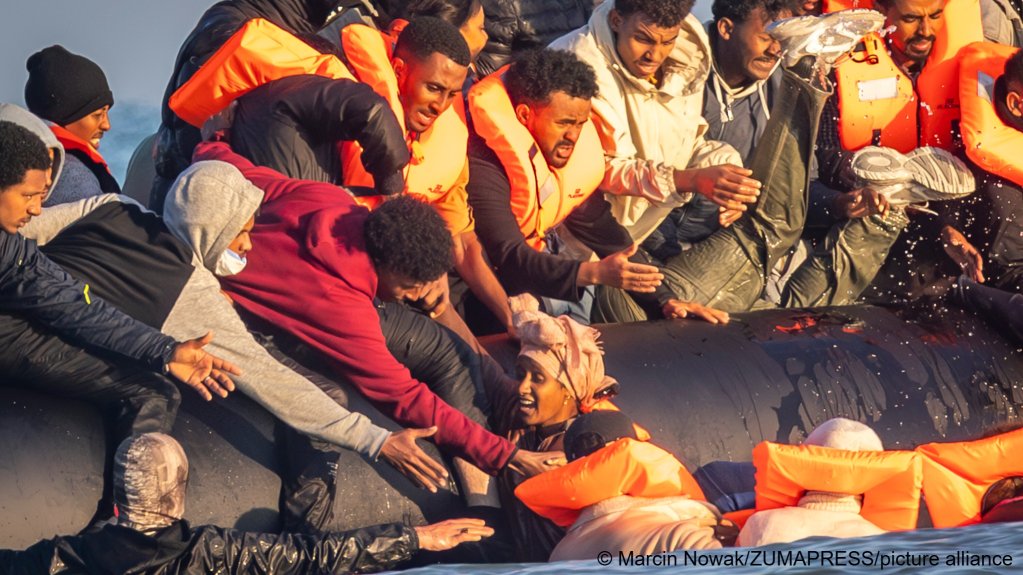
Migrants continue to cross from France to the UK on overcrowded, unseaworthy dinghies. According to data from the European Border Agency Frontext, crossings to the UK are one of the few routes that have remained stable, instead of showing a decrease. Last year’s total of 37,000 crossings was reached in October this year, but numbers have slowed in recent months. However, boat departures from the French coast have become more chaotic and risky and have led to dramatic scenes, often in the presence of French police. Smugglers have adapted their tactics, using "taxi boats" that don’t set off from the beach but in deeper water or inland canals. Migrants have to wade into deep water to reach the boats, which increases the risk of hypothermia, adds to the panic to board but are designed to evade the patrols stopping the migrants. Boats are also launched simultaneously to outwit police – which again leads to panic and rushed departures.
In their fight against irregular migration, France and the UK launched their "One-in, one-out" deal in the summer, which involves returning migrants who arrived irregularly in the UK to France in exchange for the UK accepting migrants already in France who have a strong asylum claim or family ties in the UK. Critics say the deal is unfair and doesn't deter migrants from risking their lives by crossing the Channel.
Read AlsoUK deports first migrant to France under 'one-in, one-out' scheme
Deadly journeys at Europe's doorstep
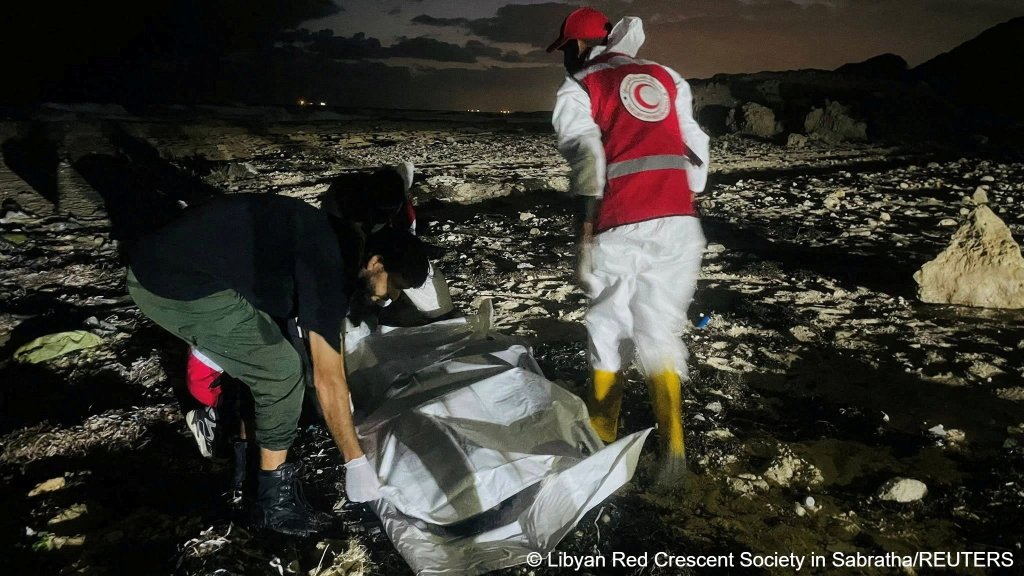
Migration continues to claim lives, and the Central Mediterranean is still one of the deadliest migration routes worldwide. By December 11, the IOM recorded 1,745 migrants as dead or missing this year so far on all Mediterranean routes, 1,190 of those in the Central Mediterranean. The actual number is likely to be much higher. Libya continues to be a major launchpad for migrants headed to Italy, and a departure point for many deadly boat journeys. One shipwreck on October 28 off the Libyan coast near Surman (pictured) claimed 18 lives, while at least 64 were rescued. Almost 50 people died in a November shipwreck. At least 27 migrants died when two migrant boats that set off from Libya capsized off Lampedusa on August 13.
Read AlsoMitigating risks? Migrants in Libya reflect on safety before trying to cross Mediterranean
Germany steps up border controls, refusing entry to asylum seekers
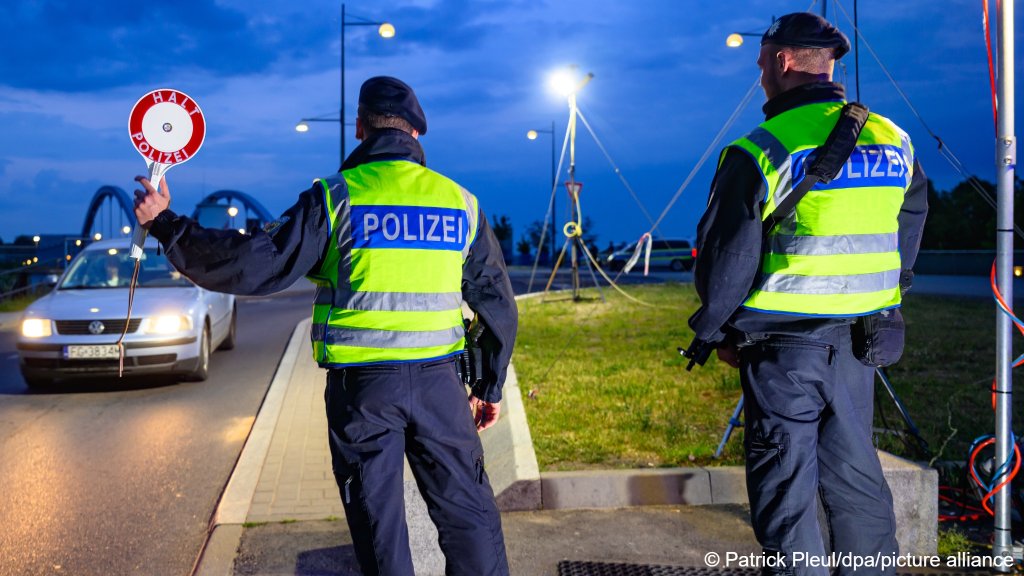
Germany continued border checks on all its land borders in 2025 and further tightened controls when the new government took power in May, allowing police officers to turn away asylum seekers at the border. Strong criticism was voiced by left opposition parties and rights groups. In one case, the Berlin Administrative Court ruled that the rejection of asylum seekers at border controls is unlawful unless carried out under the EU's Dublin procedure. The ruling came in the case of three Somali nationals who were turned back to Poland on May 9 under the new German regulation. The court said such rejections bypass the necessary legal steps and violate asylum rights. The Merz government however said it would stick to its course.
In December, the chancellor announced that tightened EU migration measures, including return hubs for failed asylum seekers, meant that "we will be able to shift border controls to Europe's external borders" but without specifying when German border controls may be lifted, according to AFP.
Read AlsoGermany: What is the legal situation for asylum seekers under new border rejection policy?
Anti-migrant protests sweep across the UK

Repeated anti-migrant protests took place across Britain this summer after the arrest of an Ethiopian man living in a hotel housing migrants in Epping was jailed for sexual offenses. It turned from a protest against the UK’s policy to house migrants in hotels to a larger movement against immigration, which is seen by protesters as a threat to national identity and security – a notion also fueled by far-right media. Many protests and counter-demonstrations were held in Epping, but also across the UK, some of which turned violent.
Read AlsoExplainer: How the UK houses asylum seekers and why it is so contentious
EU borders: The new Entry-Exit System is launched
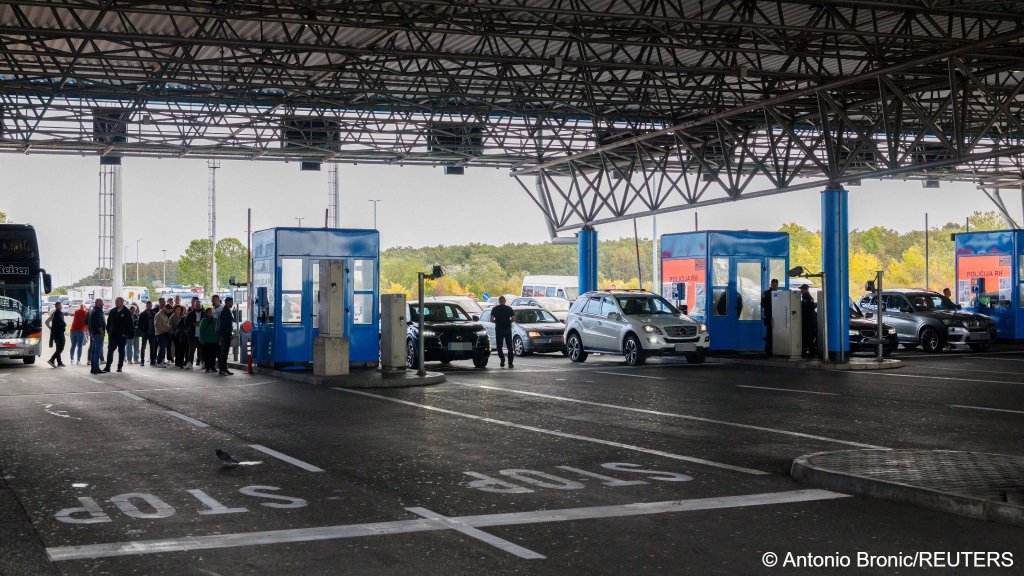
In October, the Entry/Exit System (EES) was launched at the European Union’s borders, effectively changing entry procedures for non-EU nationals. EES is an automated IT system that registers the person's name, travel document data, biometric data (fingerprints and captured facial images) and the date and place of entry and exit whenever they cross the external borders of 29 European countries using the system. It also records refusals of entry. As of 10 April 2026, EES is meant to replace the current system of manual stamping of passports. The system is part of the EU Commission’s measures to prevent irregular migration; the Commission says it "also helps non-EU nationals to travel more easily while also identifying more efficiently over-stayers as well as cases of document and identity fraud."
Read AlsoFingerprints, facial recognition and databases: EU prepares to launch its EES border control system
Germany mostly ends resettlement programs, including for Afghans

Upon taking office in May, the new German government under Chancellor Friedrich Merz announced it would end humanitarian resettlement programs, such as the EU resettlement program, "as far as possible". This also impacted the several admission schemes for vulnerable Afghans that were set up under previous governments following the takeover of the Taliban to allow former local staff of German organizations, as well as human rights activists, judges or activists at particular risk to be granted permanent admission to Germany on humanitarian grounds.
When the programs were frozen, over 2,000 Afghans stranded in Pakistan were left in limbo. Political opposition as well as rights groups criticized the German government for failing its responsibility, and leaving vulnerable Afghans at risk of deportation by Pakistani authorities back to Afghanistan and the Taliban. After much debate and following legal procedures, several groups were granted entry in recent months. Around 1,300-1,800 people were still in Pakistan as of mid-December.
Read AlsoGerman government revokes Afghan admissions and tightens resettlement policy
Senegal, Mauritania: Increased patrols on West African coasts
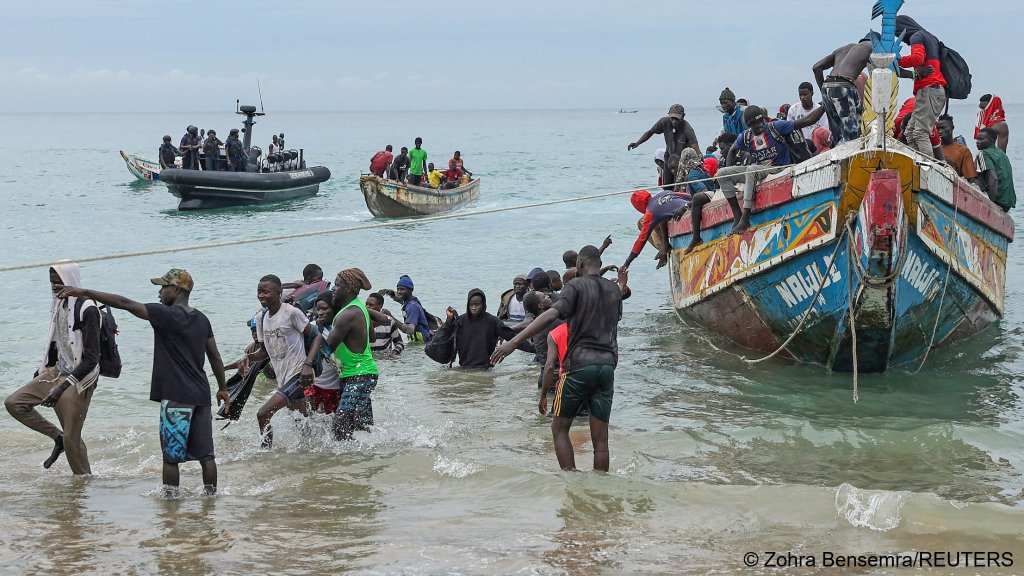
The sharp fall in arrivals on the Atlantic route to the Canary Islands is being attributed to increased border surveillance in Senegal and Mauritania as part of bilateral agreements with Spain as well as migration partnerships with the EU, both of which include strengthening border control and fighting smuggling. Mauritanian authorities reported having intercepted over 30,000 migrants between January and April 2025, and a deportation campaign had led to sub-Saharan migrants being rounded up and being expelled to the country’s borders, particularly to the town of Rosso in Senegal. Thousands arrived here in 2025 and found themselves in a desperate situation.
As a result of these developments, smugglers have adapted their routes, with departures now taking place farther south from Guinea and Gambia.