
As a result of an informal arrangement, asylum seekers who first enter Greece and then continue on to Germany before June 2026 will not be transferred back to Greece. This affects an estimated 515,000 asylum cases, including more than 100,000 from the past four years.
Greece and Germany have reached an informal understanding whereby Germany will not send back asylum seekers who first arrived irregularly in Greece and then later transited to Germany.
The agreement will affect asylum seekers already in Germany, who would normally have been sent back under the Dublin regulation, which means that asylum applications should be lodged and handled in the first EU state of entry. These asylum seekers now will no longer be sent back up until the new EU Asylum Pact enters into force on June 12, 2026.
The decision to cancel the backlog of asylum cases was announced by the Greek migration ministry and reported by the German news agency dpa on December 9.
Germany's Interior Minister Alexander Dobrindt confirmed to journalists on Wednesday (December 10) that the asylum process would now take place in Germany instead of Greece for these cases. "This is one part of our compromise agreement," added Dobrindt.
In return, Germany will not have to take any asylum seekers from the countries of first entry under the new so-called "solidarity mechanism."
Agreement applies to asylum seekers, not recognized refugees
The understanding was reportedly reached on Monday at the sidelines of the European Union Justice and Home Affairs Council in Brussels, where Greek Migration Minister Thanos Plevris met with his German counterpart, German Interior Minister Alexander Dobrindt.
Dpa reported that Greece had reached a similar agreement with some other EU countries too. Dobrindt underlined that this agreement would only apply to asylum seekers and not to anyone who had already been granted protection in Greece.
Under the Dublin Regulation of the European asylum system, the country of first entry assumes the responsibility for processing the asylum application. If an asylum seeker applies in a EU country that is not where they first entered, that state may request a transfer back to the country where they first entered. A deadline of six months is set for making and implementing transfers to the country of initial arrival. Thus, under current asylum rules, Greece would have been mandated to take back asylum seekers who had moved to Germany for re-examination.
Dobrindt underlined that this agreement would only apply to asylum seekers and not to recognized refugees, who had already been granted protection in Greece.
In the past, many who had already been granted protection in Greece would then make an onward journey to Germany to seek protection a second time.
Read AlsoGermany: Asylum applications drop significantly, but problems continue with returns
Overhaul of the migration system
As a result of the temporary arrangement, an estimated 515,000 cases will not be transferred from Germany to Greece. Of this number, more than 100,000 asylum cases are from the past years. Starting in June 2026, when the EU's asylum reform is set to take effect, Germany and Greece would again adhere to the standard procedures of transferring Dublin cases, media reports suggest. Greek authorities stated they would start the new regulation with "zero readmission obligations", reported dpa.
Because of the 6-month deadline for filing for transfers under the Dublin Regulation, many of the asylum seekers Greece had flagged for return have already fallen under Germany’s responsibility.
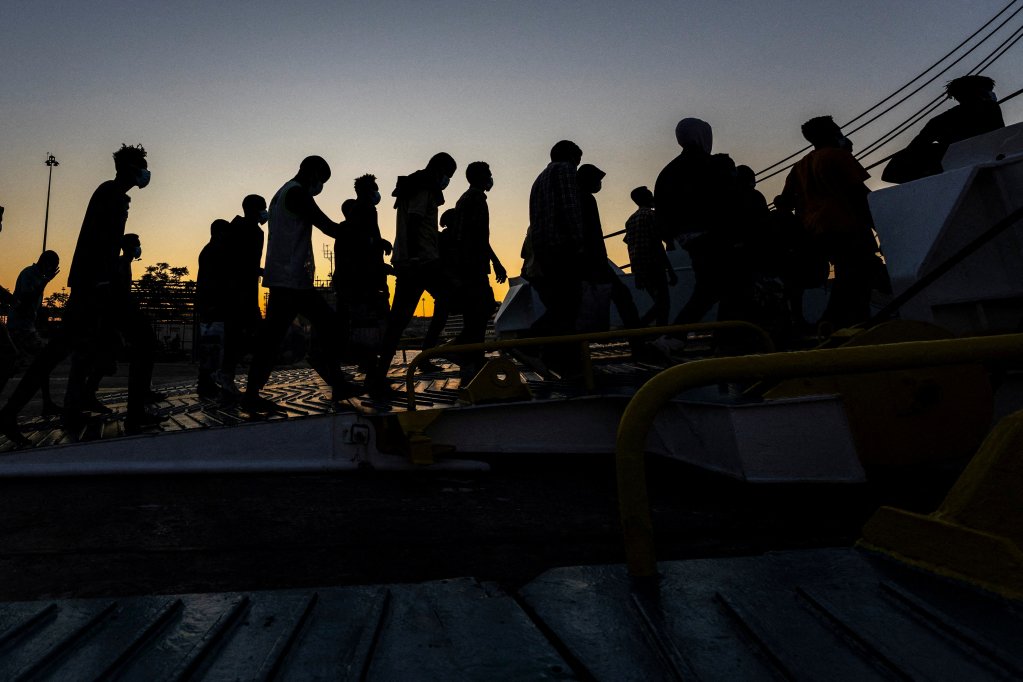
The agreement comes on the heels of the EU set to overhaul its migration policy in the coming year, introducing faster deportations, expanded detention measures, and the use of “safe third country” and “safe country of origin” lists, alongside new return hubs intended to accelerate asylum procedures.
The proposed reforms also establish a 430 million euros solidarity pool and outline a plan for 21,000 relocations. Member states will have the option to contribute in three ways: taking in asylum seekers, providing financial support, or offering alternative measures. While some EU countries continue to reject the option of relocations and funding, the package aims to ease pressure on frontline states, with Cyprus, Greece, Italy, and Spain identified as facing the greatest strain.
Earlier this week, the European Union’s 27 member states approved a major tightening of the bloc’s migration rules, including the controversial introduction of so-called 'return hubs' for rejected asylum seekers.
Read AlsoEU pushes ahead with overhaul of migration rules as ‘return hubs’ approved
Frontline country
Greece, along with other frontline countries such as Italy, has been bearing the brunt of irregular arrivals who enter Europe by crossing the Mediterranean Sea.
According to the most recent data from the United Nations Refugee Agency, a total of 43,602 irregular arrivals came into Greece in 2025. The previous year, the number of arrivals was recorded at over 62,000. While the overall numbers are on the decline, hundreds of irregular arrivals continue to overwhelm the smaller Greek islands of Crete and Gavdos. Reception centers are suffering from severe overcrowding and unsanitary conditions.
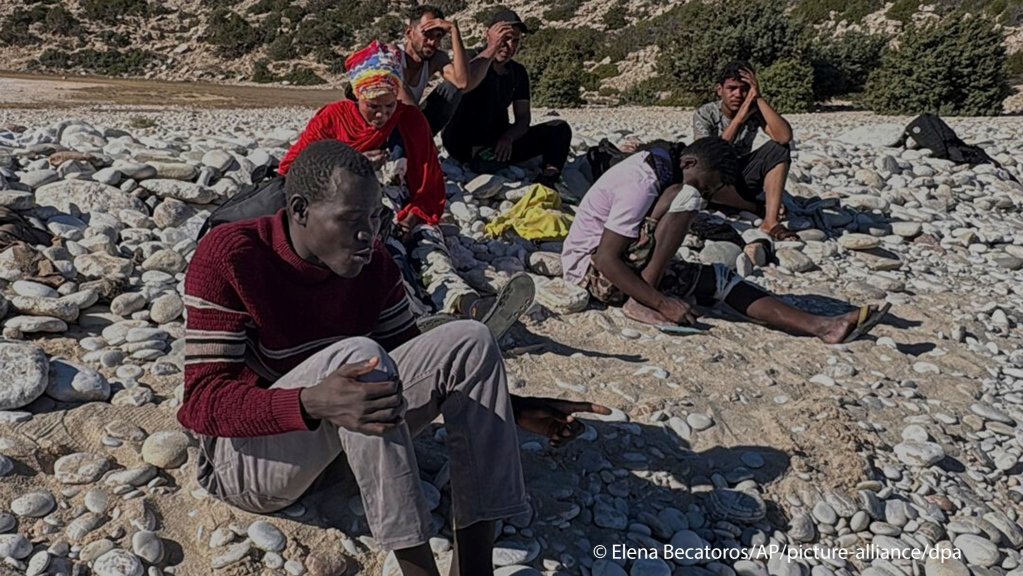
In September, the Greek coast guard assisted around 800 migrants who reached the nearby small island of Gavdos, moving them to reception centers on Crete itself. The majority of the arrivals were reportedly people who had set off from the Libyan port city of Tobruk in the east of the country near its border with Egypt.
According to a statement by the Coast Guard, the majority of them were young men from several North African countries.
Read AlsoCrete: Nearly 800 new migrant arrivals places Greek island under pressure once again
This article was updated on December 11 to reflect additional remarks that Germany's Interior Minister Alexander Dobrindt gave to the press on the subject.