
The Libyan authorities declared they intend to increase the number of migrant repatriations, particularly in the case of migrants from sub-Saharan African countries. Migrants from Bangladesh are also regularly sent home, and according to the IOM, the number of irregular arrivals is also decreasing.
Libya’s Interior Minister Imad Trabelsi said at a news conference in the capital Tripoli on Tuesday (December 2) that his government plans to increase the number of repatriations of migrants. They called on the European Union, the African Union and Arab countries for support in this aim.
Trabelsi said that he believed Libya had to date received "very limited" help compared to the "significant commitments" it was making to manage migration, reported the French news agency Agence France Presse (AFP).
The EU alone has funded the Libyan authorities to the tune of around 465 million euros between 2015 and 2021 to manage migration, and has also allocated a further 65 million euros for "protection and border management" between 2021 and 2027, reported AFP.
However, Trabelsi told journalists that around three million migrants had arrived in Libya irregularly over the past 15 years. He added that because many of them had come as families, the risk of settlement "increases" for Libya.
Read AlsoThe Libyan Coast Guard – explained
'National repatriation program'
The Interior Minister explained that the government had been operating what he called a "national repatriation program" since October, and that their goals were to try and return "thousands of migrants" a month to various countries, including Chad, Somalia and Mali.
At least two repatriation flights are being planned per week, prioritizing women, children and the elderly, reported AFP.
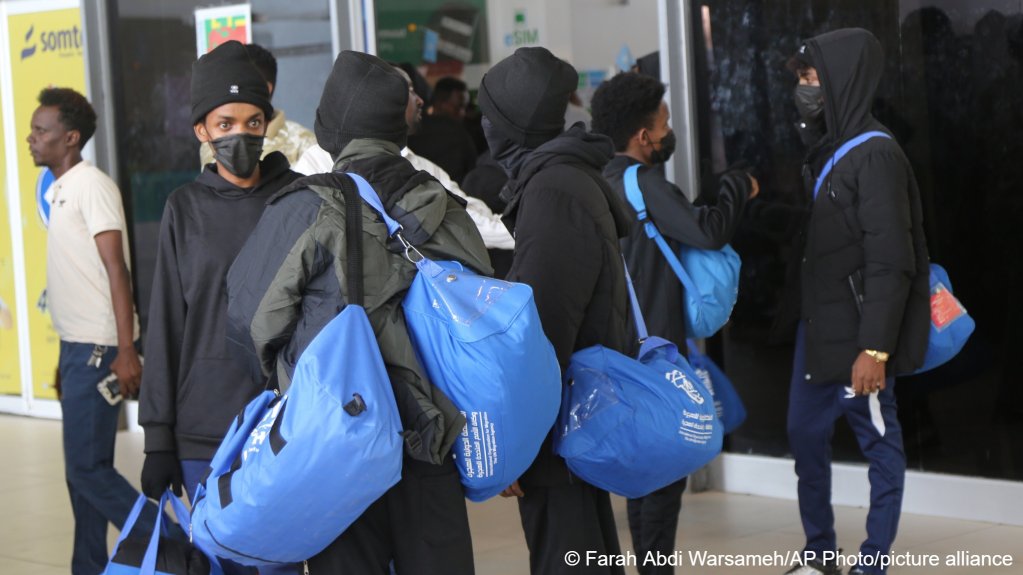
According to the UN Migration Agency IOM’s latest figures, more than 25,000 migrants have been intercepted while attempting to cross the Mediterranean towards Europe and returned to Libya. Some of those being repatriated might be among those intercepted.
Trabelsi made clear that Libya does not want to play host to any migrants that are rejected by the EU and it will not act as a third country resettlement spot. The EU ambassador to Libya, Nicola Orlando said at the same news conference, reported AFP, that the EU had no intention of settling migrants in Libya and also supported the voluntary returns programs already operating, often in conjunction with the IOM.
Read AlsoLeaving Libya: Syrian and Bangladeshi nationals fly back to their home countries
Repatriations to Bangladesh
Also present at the meeting was Bangladesh’s ambassador to Libya, Major General Abul Hasnat Muhammad Khairul Bashar. During the meeting, according to information sent by the Bangladeshi embassy in Libya to InfoMigrants Bengali, the Bangladeshi envoy stated that Bangladesh is working closely with Libya’s Government of National Unity (GNU), the UN-backed government based in Tripoli and the west of the country.

Ambassador Bashar said that his officials were working closely with the GNU’s Ministries of Interior and Foreign Affairs to facilitate the voluntary return of Bangladeshi migrants. In October this year, a total of 928 Bangladeshi migrants were successfully repatriated via three different flights.
A further 310 Bangladeshis are scheduled to return on December 4, with the support of the Libyan government, confirmed the Bangladeshi embassy.
Ambassador Bashar said that the Bangladeshi government "is committed to ensuring safe, orderly, and regular migration. Over the past two and a half years, more than 7,500 Bangladeshis have been repatriated from Libya with the embassy’s assistance."
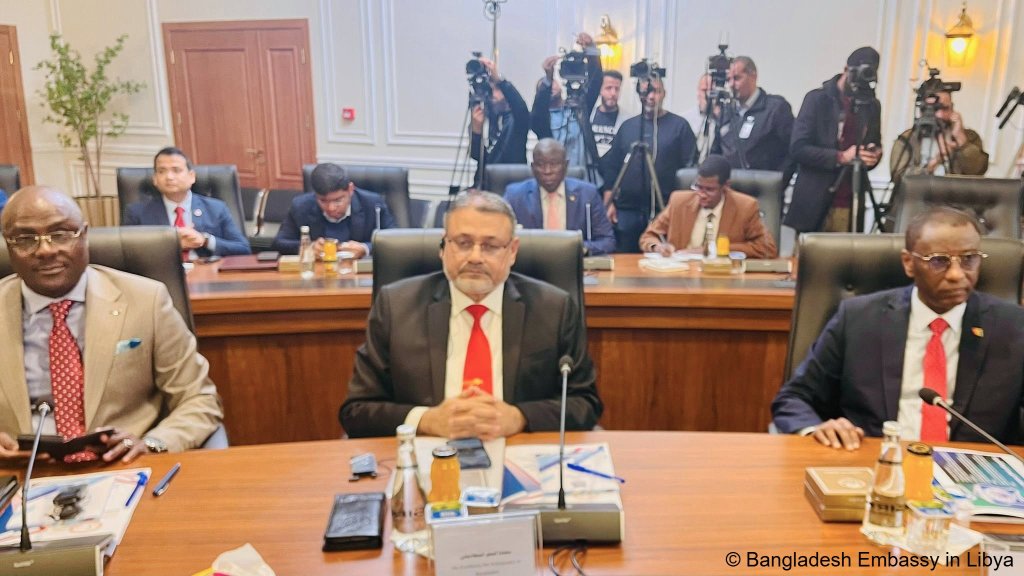
The Bangladeshi government is also taking "strict measures" against human trafficking networks.
Detained then join voluntary returns programs
On Monday, December 1, 173 Bangladeshi nationals, who had been detained at the Tajoura detention center in Tripoli, were repatriated, with the support of the IOM.
Most of the Bangladeshi migrants repatriated from Libya since 2023 had traveled irregularly to the country in the hope of continuing on to Europe, confirmed the Bangladeshi embassy. But, after attempts to cross the Mediterranean, many then became stranded in Libya, and some were detained in various facilities.
The ambassador said to those migrants that "irregular migration is never safe. It puts life, dignity, time and money at risk. Legal migration, skill development and safe travel are the only acceptable options."
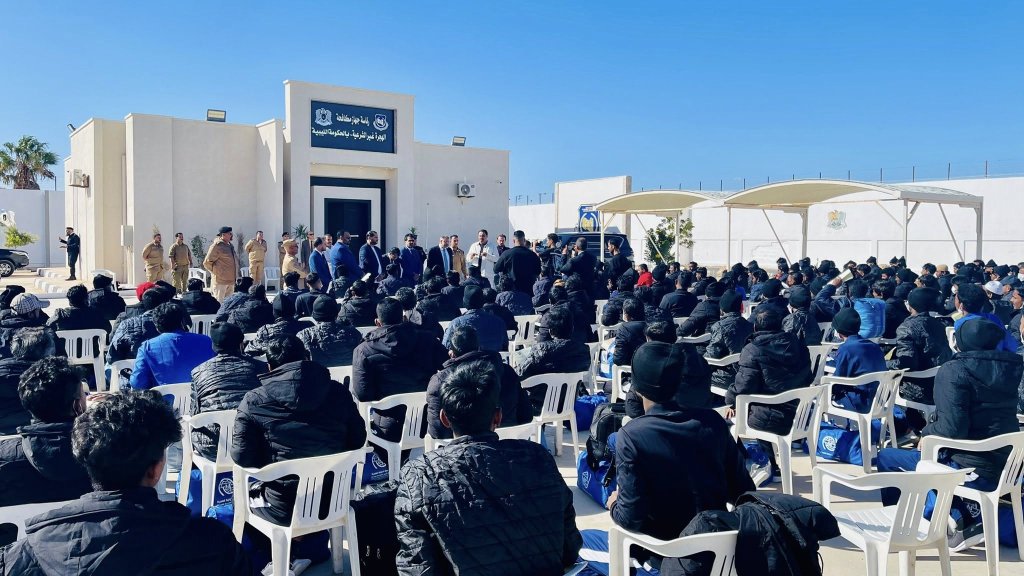
A recent survey by Relief Web, published in early October, estimates that Libya is currently hosting around 894,890 migrants from 45 countries, including around 20,392 Bangladeshis.
An embassy official told InfoMigrants that since 2017, more than 11,000 Bangladeshis have been returned from Libya.
Read Also'The smugglers devour your money': a Guinean migrant condemns the lies of traffickers along the road
Trabelsi: Sudanese migrants should be 'treated like Libyans'
Trabelsi said that there are hundreds of thousands of Sudanese migrants, fleeing the war in their country, which broke out most recently in April 2023. According to the Libyan minister, "government instructions are that they be treated as Libyans and allowed access to healthcare and schools," reported AFP.
The authorities in Tripoli are not the only powers operating in Libya. Since the fall of former dictator Muammar al-Gaddafi in 2011, Libya has been divided between two main warring factions, the GNU in Tripoli and forces under Khalifa Haftar in the east of the country. Numerous militias and armed groups also operate in the country and are often active in both migrant detention as well as sometimes implicated in trafficking operations too.
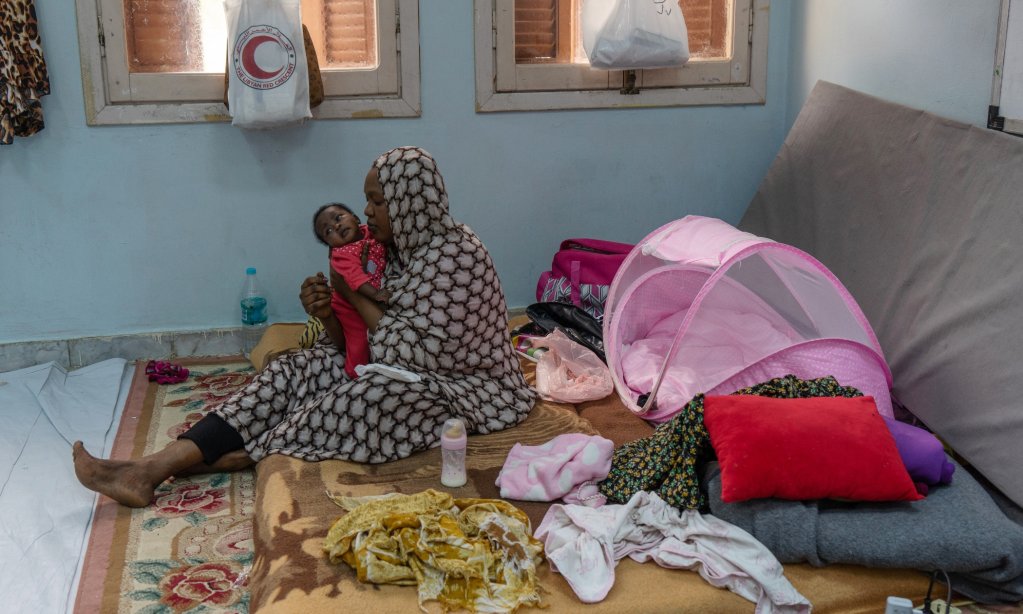
The smuggling gangs and human traffickers who operate on the territory are regularly reported to carry out human rights violations, including extortion, exploitation and slavery of the migrants who attempt to travel through Libya to reach Europe.
Over the last 11 months, the IOM said it had witnessed a decrease in the number of migrants entering Libya irregularly, reported the English language news source the Libya Observer.
Libya remains the primary departure point for migrants hoping to reach Italy this year. More than 56,177 migrants have left Libya this year to cross the Mediterranean, reported the Libya Observer.
According to IOM data, around 90 percent of migrants leaving Libya are from Egypt, 26 percent from Sudan and 31 percent from Niger, and about six percent from Chad. The remainder tend to come from Nigeria, Ghana, Ethiopia and Bangladesh, reported the Libya Observer.
Read AlsoEurope demands answers from Libya after rescue boat shooting