
A scandal of sexual exploitation at a Turkish charity continues to cast a long shadow over Syrian refugee women, leaving many still grappling with trauma and shattered trust. Infomigrants spoke to one of the victims.
This text was originally written in Arabic and published on InfoMigrants Arabic. Additions were made in the English text to update the story further.
A BBC investigation broke the silence of Batoul, a Syrian refugee in Turkey, and gave her the courage to speak out about sexual abuse she endured during her stay in the country at the crossroads of Europe and Asia.
For Batoul, the BBC probe was the turning point and a moment that empowered her to reveal how she became a victim of exploitation.
Two months ago, BBC News Turkish and BBC World Service revealed accusations that a man named as Sadettin K., the founder of a charity in Ankara providing support for refugees, had been charged with sexually exploiting vulnerable women, promising them aid in exchange for sex. His organization, which the BBC said translates as something like Hope Charity Store, reportedly gathered donations for refugees such as diapers, pasta, milk and clothes and distributed them among refugees in need.
On October 26, the BBC reported that Sadettin K. -- who denies all allegations against him -- had been arrested and was in prison awaiting a trial.
Turkish newspaper Hürriyet also reported the story in October, saying that the Ankara Chief Public Prosecutor's Office ordered a search at the business he owned. Hürriyet journalists said they had also been privy to the "striking statements included in the investigation."
One of the women, a Syrian, told investigators that Sadettin K. "hand-picked the women he wanted to help and give them cards. The women he chose," claimed the woman named UH* by Hürriyet, "were women who wore makeup and short dresses."
UH reportedly told Hürriyet, "The few times I went to the association, I wore a coat and no make up. He told me, 'there's no help for you' then touched my shoulder and pushed me away."
The retired bank worker told the BBC that not only does he deny the allegations against him, but that his organization had helped more than 37,000 people.
Batoul's story
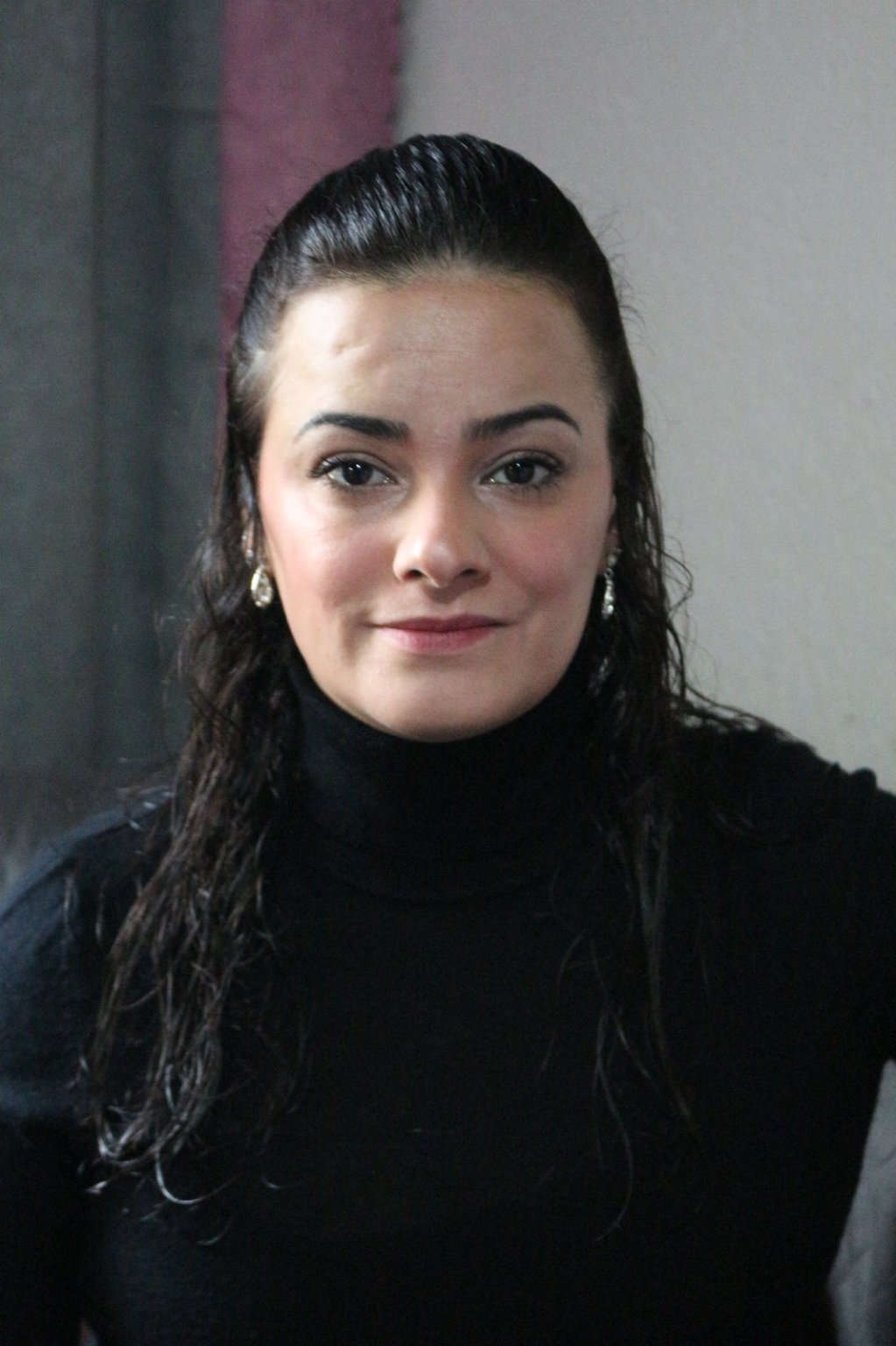
One of the women who testified against Sadettin K. has spoken out. Her name is Batoul and she is one of the few who agreed to be photographed and show her face. Her experience with the organization happened while she was in Turkey, although she has since left Turkey and moved to Germany, from where she talked to InfoMigrants.
"I wanted to work, but my children were still so young. It was difficult. So, like my friends, I turned to the charity. At first, everything seemed fine until shocking incidents forced me to cut ties completely," Batoul told InfoMigrants.
"I had heard rumors of inappropriate behavior, but I didn’t believe them. Sadettin K. treated me well. But when I noticed that some refugee women, most of them in dire need, suddenly stopped coming, I began to wonder what was wrong."
From Batoul's account, things progressed gradually, but before long got to a point that led to her fleeing contact with the charity as well.
'Sell you for money'
Batoul recalls how it began, saying, "Every time we met at the charity, he brought up marriage. He asked repeatedly if I wanted to marry, saying he had a proposal. I always refused. One day, a staff member warned me: 'Be careful -- he might try to sell you to someone for money.'"
After rejecting him several times, Batoul faced an unthinkable nightmare.
"One day, when I was at the charity, he put his hands on my body. I left everything behind and walked out. I never went back."
She never spoke of it until a friend asked why she had stopped visiting the association. That conversation led her to a journalist already investigating the case.
Silent women, but why?
In fact, it later turned out that several other women claimed to have had similar experiences. Their anonymous testimonies were part of the BBC investigation, turning the case into a public scandal in Turkey and leading to Sadettin K.’s arrest.
Another woman who spoke out, Madina, fled the Syrian civil war in 2016. The BBC reported that Madina thought she had escaped the horrors of war when she fled Syria. But two years later, her fragile world collapsed as one of her children fell critically ill, and her husband walked out, leaving her to raise three young children alone.
The BBC report changed Madina’s name to protect her anonymity
Desperate for help, Madina turned to Sadettin K.’s organization. The charity promised lifelines for refugees. Donations of diapers, milk, pasta, and clothing -- essentials for survival in a foreign land. For Madina, it seemed like her only hope.
Accusations of aid for sex
Another woman, a 27-year-old from Syria, calling herself Nada*, told the BBC that Sadettin K. told her he would only give her aid if she went to an empty flat with him. "If you don't, I won't give you anything," Sadettin K. reportedly told her.
At that point, Nada was with her sister-in-law and they both stormed out, but later desperate for help, Nada went back. She says that on one occasion, Sadettin K. "tried to touch my breasts." Another time, "he came from behind and grabbed my hand...he forced me to touch his genitals."
Nada said she didn't feel she could tell anyone, not even her husband.
Two former charity employees also told the BBC they had either witnessed or heard first-hand testimony of Sadettin K. committing similar acts of sexual abuse between 2016 and 2024.
'He knew we needed help'
A woman reported as SHM* by Hürriyet, who reportedly spoke to the prosecutor's office as a complainant, claimed she had been "repeatedly harassed by him."
SHM reportedly told prosecutors that her husband was working in Germany, and she had first gone to the organization for food aid in 2016. According to an English translation of the Hürriyet article, "Sadettin asked me to stand up while filling out the form they gave me. After I stood up, he squeezed and caressed my breasts without my permission and consent, and told me 'okay, sit down, I'll help you.'"
After registering, SHM claims that women seeking help would be touched, squeezed and caressed before assistance was provided.
In addition, reports Hürriyet, SHM claims Sadettin K. offered money, between 20,000 to 30,000 Turkish Lira (403 euros to 605 euros) in order to "be with me."
SHM said that she and the other women were "disturbed by his actions, but he knew we needed help and he continued to fondle my private parts and those of the other women without our consent."
SHM told prosecutors she visited the organization about once a month, and "each time before giving me the aid, Sadettin would take me and the other women seeking aid to his room and fondle my breasts, buttocks, and frontal private areas with his hand over my clothes and those of the other women before giving me the aid."
Encouraging others to speak
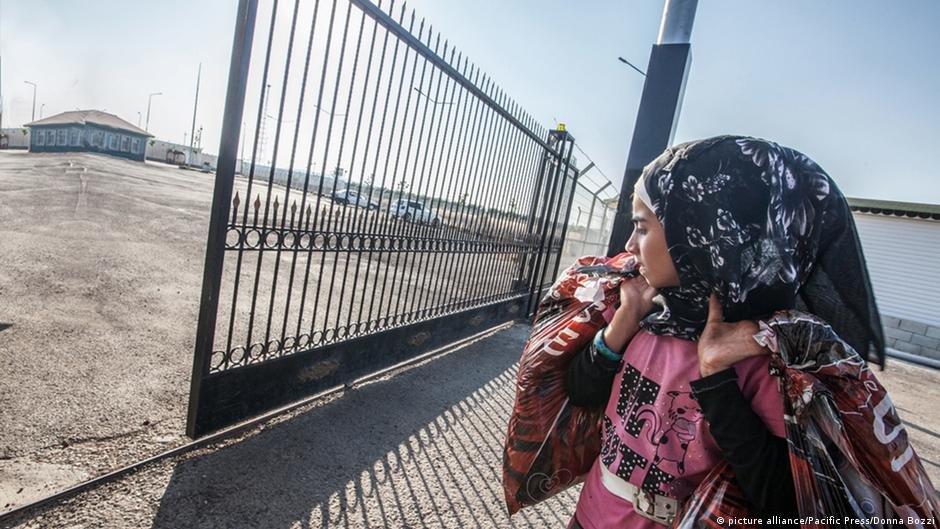
This made it all the more difficult to speak out about what the women say happened to them at the organization. Many were alone in a foreign country, already struggling to manage. They feared that speaking out could lead to harassment, deportation, or harm to their families.
Batoul recalls that "When my brothers found out, they asked why I hadn’t told them. They said they would have stood by me. But I was terrified of what he might do to them."
Batoul explains why many women hid their identities out of fear of retaliation, social stigma, and shame.
"I stayed silent at first," she admits. "But then I decided to speak openly to send a message: silence in the face of injustice only forces other women to suffer in silence."
Previous allegations...
The allegations from the women are not the first to have emerged around Sadettin K. reports the BBC. In 2019 and earlier this year, he was accused of sexual harassment and assault, "but on both occasions prosecutors decided there was insufficient evidence to prosecute him," report BBC journalists.
This was because, Turkish police told the BBC, neither witnesses nor victims were willing to come forward.
Following the BBC investigation, two more women filed complaints, resulting in the Turkish authorities being able to press formal charges.
Before the arrest, the BBC were able to put the allegations diretly to Sadettin K., who told them: "Three people, five people, 10 people [could complain]. Such things occur. If you said 100, 200 [had accused me] then fine, then you could believe I actually did those things."
...and denials
Sadettin K. added that his health conditions including diabetes and high blood pressure, as well as an operation he says he underwent in 2016 to remove his left testicle means he is not able to perform any sexual activity.
The BBC put that claim to a professor of urology and men's sexual health, Ates Kadioglu, who told the BBC that having one testicle removed "doesn't affect someone's sex life."
However, Sadettin K. continued to insist to the BBC that sexual activitiy was "not possible for me."
The BBC also put it to him that sexual assault is often not about sex so much as a desire for power and control. He responded "I personally don't have such an urge."
Sadettin K. concluded by saying "all we did was good deeds and this is what we get in return." He claimed that the woman accusing him did so because he had reported them to the police for being involved in illegal activities.
All the women who spoke to the BBC reportedly denied being involved in any such crime and added that neither were their relatives. The BBC said they had seen no evidence to suggest the women were involved in any illegal activities.
A new chapter in Germany
"I was overjoyed when he was arrested -- not just for me, but for all the women who suffered in silence. I hope this becomes a lesson. That’s why I chose to speak openly: to encourage other women to break their silence," Batoul says.
She told the BBC that she hopes that her speaking out and showing face will provide "courage and strength to all women who are being exploited in any way."
Today, Batoul lives in Germany with her children and feels, for the first time in years, truly safe.
"Since arriving, my kids are in school, I’m learning the language and training for work. Soon, I’ll have a job. This is the safest I’ve felt since the war began."
Translated and edited from Arabic by Mohamed Farhan.
Emma Wallis contributed to reporting.
*Names changed by the publications or prosecutors to protect the women's identities.