
Though small in amount, the regularity of remittances sent to emerging economies makes for what has been referred to as "the world's largest poverty reduction program". In the case of refugees, employment that allows them to send remittances goes a long way to rebuilding families back home.
Typically 200-300 US dollars every one or two months.
That’s how much, on average, migrant workers send to their families back home, according to the UN. Though it may seem like a nominally modest amount, put together, these small remittance transfers pile up. Migrants living in the European Union send roughly 63 billion euros a year to families living in emerging economies.
For families that rely on these remittances, these money transfers are lifelines that cover not only daily needs but also other expenses tied to life's aspirations.
Small thing, big impact
When migrant workers send remittances or a part of their earnings in the form of either cash or goods to support their families, they may be sending a small amount, but they are making a big impact in their home countries.
When converted against the purchasing power of a receiving country, remittances represent a dependable fund that pays for recurring costs such as rent, food, and school fees. It also acts as a buffer against unexpected life occurrences such as illness or extreme weather disturbances.
When local economies wobble, money transfers become an essential financial crutch for families and communities to get back on their feet. According to the International Organization for Migration (IOM), remittances have the potential to recharge sluggish local economies.
In countries where average monthly wages are extremely low and where remittances from migrant workers are the only significant source of income, an average of 200-300 US dollars monthly transfer can be several times more than local income. It is this multiplier effect that makes "small but steady" transfers so powerful.
Poverty reduction program
According to the World Bank, low-and middle-income countries received about 656 billion dollars in remittances in 2023, a steady cash flow that surpassed foreign direct investment and official development assistance combined. These transfers directly reduce poverty, support household spending, and inject stable income into fragile economies.
The World Bank notes that this steady stream of income can help insulate families from the impact of unemployment and create a financial buffer against conflict, displacement, or economic instability. However, the financial think tank also noted that the movement of skilled workers can strain small economies when key professionals, who can include health workers, leave for higher-paying jobs abroad.

Destination countries also benefit from the income generated by migrant workers. Migrants help fill crucial labour shortages, bring specialized skills, and often drive innovation and entrepreneurship. They pay taxes, contribute to pension and social security systems, and help sustain sectors facing ageing populations.
While individual remittances may be small and sent quietly each month, their cumulative effect strengthens both the communities migrants come from and the countries they move to.
Refugee remittances: the invisible flow
However, the contribution of refugees to remittance transfers is more challenging to monitor. Refugees and asylum seekers face special barriers such as legal insecurity, restricted right to work, informal jobs, and long waits for paperwork.
These conditions make it hard to measure how much refugees send home. Standard remittance statistics usually lump sending groups together under labor migrants, diaspora, and refugees. Refugee remittances trends are often underreported and poorly understood.
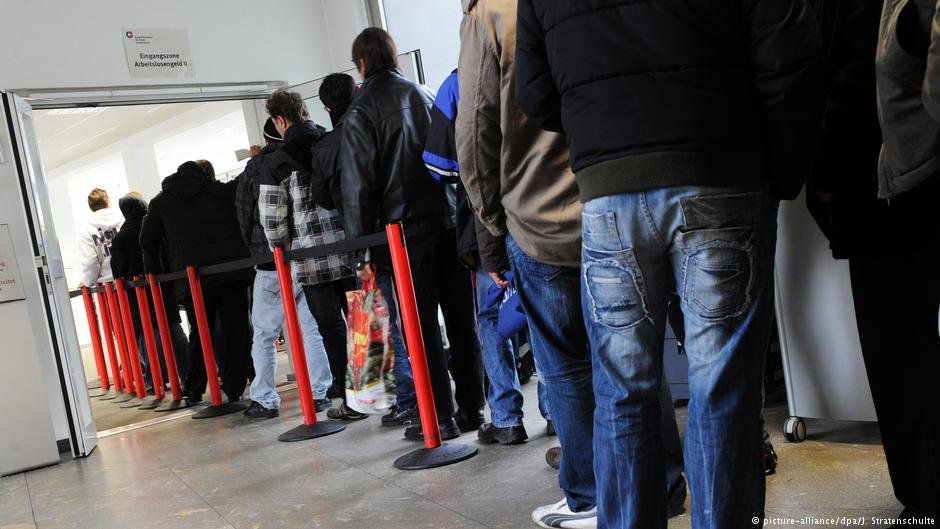
Research in Europe suggests refugees send less often than other migrants, primarily because unstable status and lower level of employability in regular work due to language and other barriers. In Germany, which is among the European countries that hosts the largest refugee populations, a study by DIW Berlin shows that the share of refugees sending remittances fell from about 15 percent in 2013 to 7 percent in 2016. It rose slightly and stayed around 10 percent between 2017 and 2020, then dropped again to about 7 percent in 2021.
The study attributed this mainly to refugees facing more complex barriers than other migrants due to their uncertain legal status.
However, studies also show that when refugees gain access to stability, such as legal status, formal employment, and the ability to reunite family members, their capacity to earn and remit more money increases.
When refugees get decent jobs
Research from Talent Beyond Boundaries (TBB), an organization that helps skilled refugees find work abroad through formal visa paths, showed striking results from the refugees who have secured jobs and relocated.
According to a recent TBB study, after securing jobs abroad, skilled refugees send monthly remittances back home, which often surpass local incomes by 700 percent.
About 84 percent of refugees matched by TBB with employers across EU States, the UK, and Canada are now sending money home, and the average monthly remittance is about 430 dollars.
Remittances, a humble and regular money transfer, when added together, become a global safety net. When refugees are allowed to work, move or reunite with their families, their wages do more than put food on the table. They rebuild lives, fund education, and nurture dreams that had previously been out of reach.