
New rules that are part of a UK border security bill to crack down on human smuggling networks introduce expanded powers to search, seize, and retain electronic data that may be used as evidence to prosecute criminal gangs. Children arriving on small boats will not be exempt from being orally searched for SIM cards or small electronic devices.
People who arrive in the UK through irregular pathways will be subjected to search procedures that can include removing their coats and a search of their mouth for the possible concealment of SIM cards or other electronic devices, the government announced on Monday, December 1.
The Home Office said that the search would allow police to ask irregular migrants to remove articles of clothing, such as their coat, jacket, or gloves, at UK ports to check for mobile phones. A mouth search may also be conducted to check for SIM cards.
The British newspaper The Guardian reported that the Home Office confirmed that children could also be subjected to these searches.

A Syrian refugee who spoke to The Guardian said smugglers had instructed them to delete all phone content or throw away mobile phones and electronic devices before crossing the Channel.
The government claims that measures will allow authorities to gather evidence needed to dismantle criminal networks that benefit from smuggling people across the English Channel on small boats. Smugglers reportedly target potential small boat passengers using phone contacts and social media.
Tighter border control
The new powers, which are part of the Border Security, Asylum, and Immigration Bill, introduce new criminal offenses meant to bolster the government’s crackdown on smuggling organizations. Additionally, it allows for expanded powers to "search, seize, and retain" electronic data that may be connected to unlawful immigration.
The bill, designed to dismantle criminal smuggling networks, is expected to soon receive Royal Assent, a "formality that does not require further debate".
Apart from the body and mouth searches, police, immigration officers, and agents within the National Crime Agency (NCA) will be allowed to search migrants’ phones without waiting for an arrest. Previous rules only allowed phone searches after arrest.
In a statement, the Home Office confirmed that under the Border Security, Asylum and Immigration Bill, we are "taking on the gangs with new counterterror-style powers" and that officers would be given powers to seize electronic devices to collect evidence about organized criminal syndicates.
Worrying shift
Critics say the changes mark a worrying shift away from protecting vulnerable people towards treating all asylum-seekers as security threats.
"Given the way the provisions are framed, it is conceivable that anyone crossing the Channel could be viewed as reasonably suspected of possessing information related to irregular migration on their devices," read a Joint Committee Report released in June.
Additionally, the committee said that the provisions risked breaching various international obligations that safeguard the rights and protection of vulnerable populations, which include trafficking victims and people seeking asylum.
The committee proposed amendments to the Bill to narrow the scope of the offenses and strengthen the safeguards.
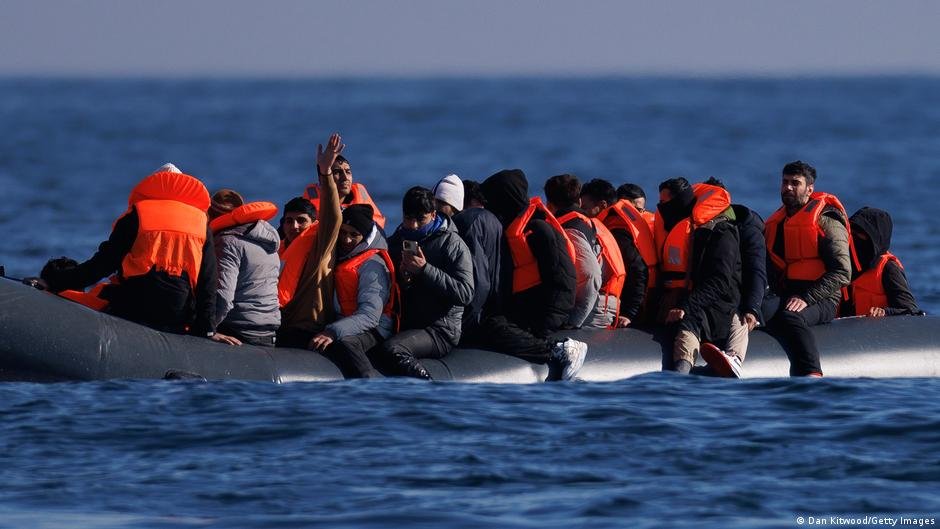
The policy has drawn sharp condemnation, particularly from refugee charities and child-rights organizations.
"We are incredibly alarmed about the introduction of a counter-terror approach to migration, particularly in relation to refugees and people seeking asylum," Migrant Rights Network said in a statement when the bill was first introduced in January.
The organization slammed the bill as a form of "cruelty and bringing numbers of people migrating down while bringing numbers of people deported up, unconcerned with the safety of those people."
Humanitarian aid organization Doctors Without Borders (known by its acronym MSF) said that the bill "will continue to cause medical and psychological harm to people seeking safety in the UK."
The UK government had a unique opportunity to establish a more compassionate and effective asylum system, in line with its international obligations. Instead, this new Bill focuses on border security and criminalisation.
Rights groups argue that the new rules, under the guise of targeting smugglers, risk undermining the rights and dignity of fleeing families — particularly children — and may do little to improve the safety or outcome of asylum seekers’ journeys.
Policy in 2022 found to be unlawful
This is not the first time the government has attempted to broaden its scope to tighten its border control policies. In 2022, a court ruling found that the Home Office had unlawfully operated a blanket policy seizing phones from all migrants arriving by small boat, in violation of human rights and privacy protections.
In a statement, the UK Home Office described 2022 as the worst year on record for small boat crossings. Over 45,000 people arrived in the UK via small boats.
"The number of small boat crossings is shameful, and the British people deserve better. This Government is taking action," said the Home Office.
Read AlsoBritish government welcomes sharp dip in net migration