
A group of female migrants has written an open letter to the German authorities in Lower Saxony, complaining that they are being treated "like prisoners" in the accommodation provided for them. The authorities deny the accusations.
"We are being treated as though we are living in a prison," claim the authors of an open letter sent to the German authorities in Lower Saxony on Monday (November 24). The letter was posted on the page of the Refugee Café Göttingen (Flüchtlings Café Göttingen) in German, English and Farsi.
The authors, a group of migrant women living in the Bad Sachsa asylum center, addressed their letter to the state migration authorities, the Landesaufnahmebehörde Niedersachsen (LAB). They claim that their right to privacy and their freedom of movement are being infringed by those who run the asylum accommodation, as well as police and security personnel at the center.
The LAB authorities deny the accusations.
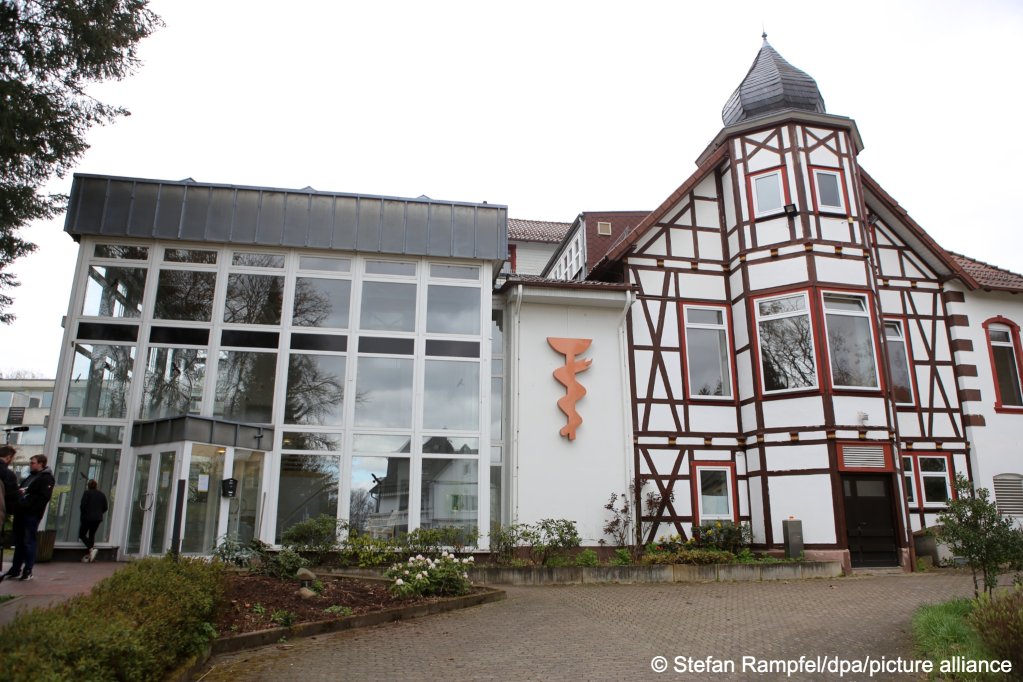
According to the authors of the letter, police officers have entered their room "in the middle of the night, without knocking on the door or giving us the chance to open the door."
Sometimes, police officers "have just come into our rooms as we have been changing our clothes." If there is someone who is meant to be deported, and the police can’t find them, they will "just search every room in the house," claim the authors. "That is stressful as we are all coping with our own problems," add the women.
There are currently 198 migrants and asylum seekers from six different countries staying in the accommodation in Bad Sachsa, including 76 children, reports the left-leaning TAZ newspaper.
Search warrant needed
Recently, Germany's top constitutional court confirmed that police would need a search warrant to enter the private room of a migrant or asylum seeker, even in accommodation provided by the state. The decision came after a migrant complained that police had broken down the door of his room to deport him under Dublin regulations to France. From now on, police will need the permission of a judge before carrying out such a search with a view to deportation.
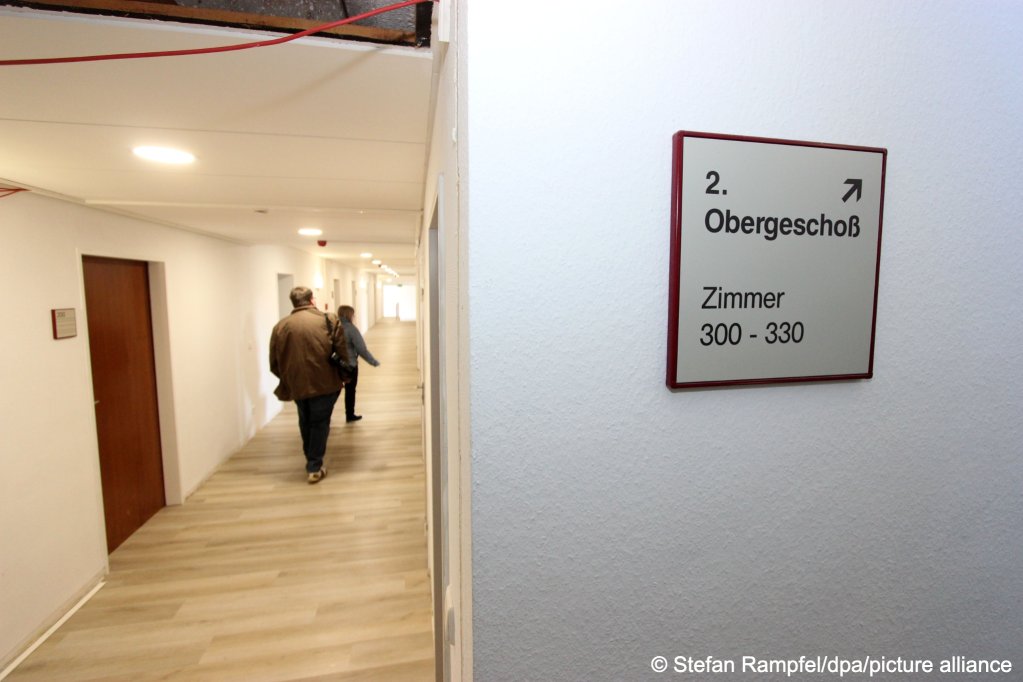
Every day at 10 pm, the women on the third floor, which is reserved only for women, claim they are woken by a security detail, and this "disturbs our sleep." According to the letter authors, the security officers will knock loudly at all doors, "and if you don’t open it quickly, they will just come into the room, even if we are naked."
The security personnel, according to the letter authors quoted by TAZ, are all men. This is not true, says LAB. In the part of the building reserved for women, they are accompanied by female employees. LAB also says that no one is forced to stay in the house or in one place and everyone has the freedom to move where they want.
Read AlsoHow Germany aims to increase deportations
Freedom of movement versus fire risk
The newspaper adds that some of the women in the accommodation have reported instances in which they were simply chatting or visiting in a neighbor’s bedroom, and if they happened not to be in their own rooms at 10 pm during the security check, they were recorded as "absent".

LAB told TAZ that the fire regulations in the building mean that security personnel have to check every night at 10 pm that everyone is present and note anyone who appears to be absent. These controls, said LAB, are to protect the people who live in the home.
LAB also said that the security detail is asked to knock at the door and wait a reasonable time for a response. If no one opens the door, then the security personnel are not authorized to enter the room, but are instead asked to note down an absence.
A spokesperson for LAB, Nina Jahnen, told the German Protestant news service EPD that measures taken during deportations are the responsibility of the police and administrative enforcement officers. However, Jahnen added that "as part of this, entering rooms is often necessary and takes place within the legal framework."
Read AlsoHelping women refugees in Germany find work
Complaints about the food, 'unfriendly' security teams
The letter authors also said the food is "bad and sits around, and often from the day before. If we don’t arrive on time for meals, then there will be no food left for us. If you can’t eat everything in one sitting, you are not allowed to take the leftovers with you."
They also accused the authorities of ignoring their religious and health needs when it comes to the meals they are offered.
Jahnen says this is not true and that in all accommodation offered by the state authorities, "the religious or health needs of our residents are always taken into account when providing food." The accommodation also provides special food for babies and anyone they know who has diabetes, she explained.
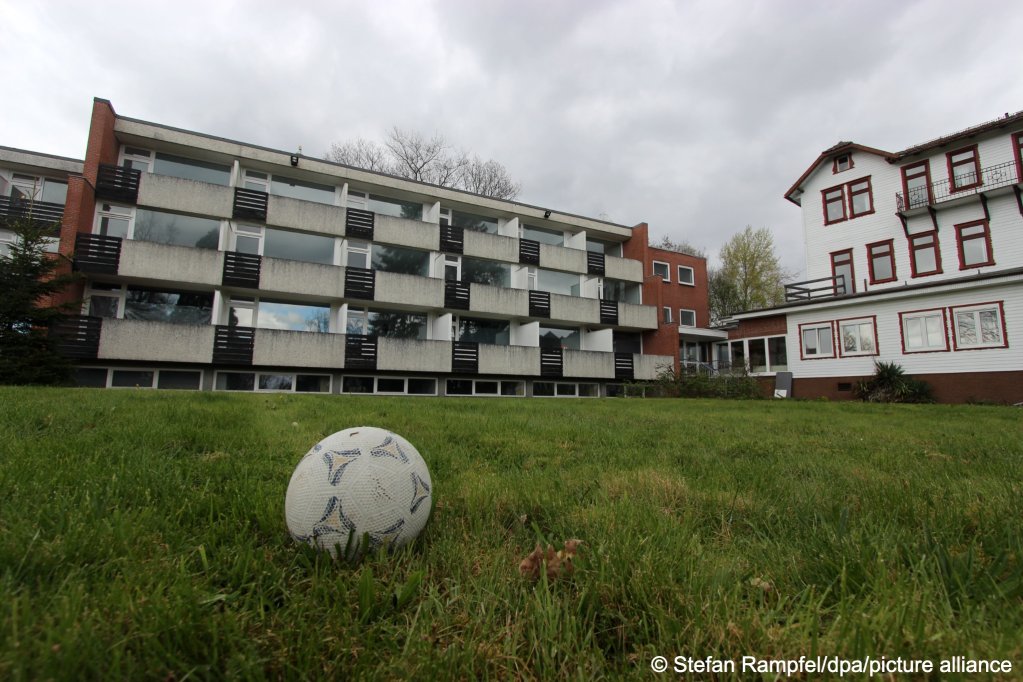
The women say that the atmosphere at the home is "very bad." The security teams are described as "unfriendly" and the women complain that children are not allowed to play; if they do, they are shouted at by the security teams, claim the authors.
Jahnen in response said that there are no bans on when children can play. Childcare is offered daily, and there is a playground and a big lawn for them to play on.
Read AlsoGermany: New deportation detention center to open in Thuringia
Letter authors feel 'ignored' by authorities
"We have noted several cases where the security teams have been racist towards Black women in the home," claim the letter authors.
Again, this is denied by LAB. Every resident at the accommodation is treated the same and security personnel, provided by an external provider, are regularly briefed on how to de-escalate situations and on intercultural competencies, the authorities explain. "If there are cases where a resident has felt that she has been mishandled or discriminated against, based on her ethnicity or nationality, then these cases are not known to us," a spokesperson for LAB told TAZ.

Read AlsoGermany: Church asylum on the rise amid mounting deportation pressure
Protest organized
A group calling itself the 'Network against Deportation', based in nearby Göttingen, has organized a demonstration due to take place on November 25. On Instagram, they have called on supporters to "protest in front of the camp," and said that "things must change."
The group says that they are protesting against the "racist suppression apparatus." They have also called on similar groups in Hanover to join them.
The letter draws to a close by saying, "Germany likes to see itself and is known for being a country that is engaged and supportive of human rights, but in reality, our lives as people who have fled to Germany, we are experiencing the opposite. Our rights are being harmed."
The letter continues, "we have fled wars, violence and inequality in our home countries, in the hope that we would be offered protection and dignity. We ask you to look at our complaints and think about how it might be possible to treat us in a fairer and more humane way. We are not just asking for better conditions in the place where we are living, so that we can take part in society, but we are also asking for permanent protection and freedom of movement for everyone."
Read AlsoGermany moves to suspend refugees' family reunification