
Authorities in the Canary Islands, the Spanish archipelago in the Atlantic Ocean, have transferred 679 unaccompanied minors to the mainland. In doing so, the Spanish government has complied with the Supreme Court’s latest ruling, which reiterated that migrant children have a right to asylum. The deadline for the transfer expired on Friday (November 21).
The transfer was announced on Thursday (November 20) by the Canary Islands Minister of Social Welfare, Candelaria Delgado and confirmed on Friday (November 21) by the Spanish Secretary of State for Migration, Pilar Cancela.
A total of 679 unaccompanied minors were transferred from the Canary Islands archipelago to the Spanish mainland after an additional 817 new places were created in the International Protection Reception System (SAPI), reported the news portal Canarias 7.
The transfers happened following a long process of petitions and court decisions, which were finally transferred into a royal decree law in March this year.
Read Also30 arrested in Spain over 'fraud involving migrant minors'
Increase in the number of arrivals of unaccompanied minors
According to a briefing from the European Parliament, ahead of a mission to observe the situation of migration to the Canary Islands in September this year, the new law was in response to a 221.4 percent increase in the number of unaccompanied foreign minors arriving in Spain over the last eight years.
The goal, added the European Parliament briefing, “is to transfer unaccompanied foreign minors within 15 calendar days of their date of registration in the national register of unaccompanied foreign minors. A fund of 100 million euros was set up to compensate regional authorities for relocation costs.
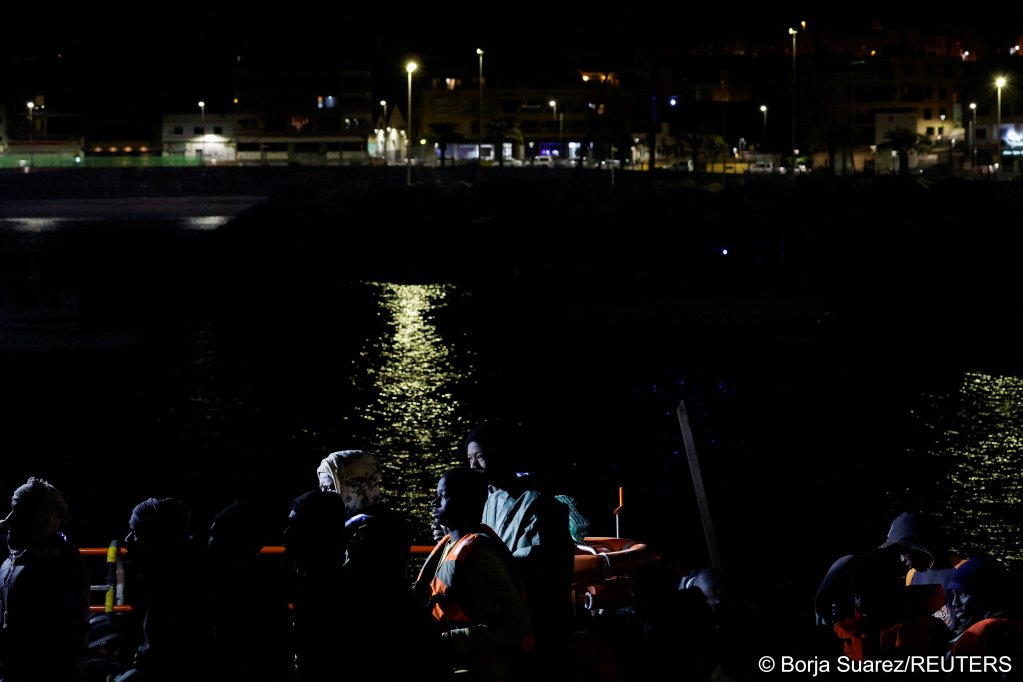
However, even once the law was established, meetings to work out which regions might be able to accept transfers ended with no agreement and implementation only started slowly in August this year, when ten unaccompanied minors, nine from Mali and one from Senegal, were transferred from Gran Canaria to mainland Spain.
Read AlsoMigrant minors center in the Canary Islands seized, ten arrested
Compliance as deadline looms
"The Government of Spain,… has complied with the precautionary measures … [ordered by the Supreme Court] in its third order regarding the transfer of unaccompanied minors seeking asylum in the Canary Islands to the state international protection system," stated Spain’s Migration Ministry.
Cancela added that the Spanish government and the Canary Islands authorities would continue working together in a "collaborative process… where necessary… to transfer other children seeking international protection in our system," reported Canarias7.
Many of the children had been housed in an old barracks on the island of Gran Canaria, in the capital Las Palmas. The barracks were adapted to provide shelter to the minors.
But despite this facility, the authorities on the Canary Islands have been underlining for several years that their system "remains strained," and that they had been calling on other Spanish regions and the central government in Madrid to help them deal with the number of arrivals and their needs.
Read AlsoCanary Islands President: 'No one in Spain seems to want little Black children'
System 'remains strained'
A spokesperson for the Canary Islands government, Alfonso Cabello, told Canarias 7 on Friday that it had taken too long (eight months) for the central government to respond to the requests for transfer, and to comply with the High Court order, which was issued in a first instance eight months ago.
"The fact that children remain in the Canary Islands in the SAPI (Specialized Child Protection System) on a temporary basis means that the Canary Islands' protection system remains under strain," reiterated Delgado.
“Its educational and health resources and the resources of the protection system itself remain strained, because although guardianship has been transferred, the Canary Islands continues to exercise it and we must continue to ensure that these children are in a stable permanent center, in centers with the appropriate conditions and complying with the laws and regulations regarding centers for minors under protection," the spokesperson said.
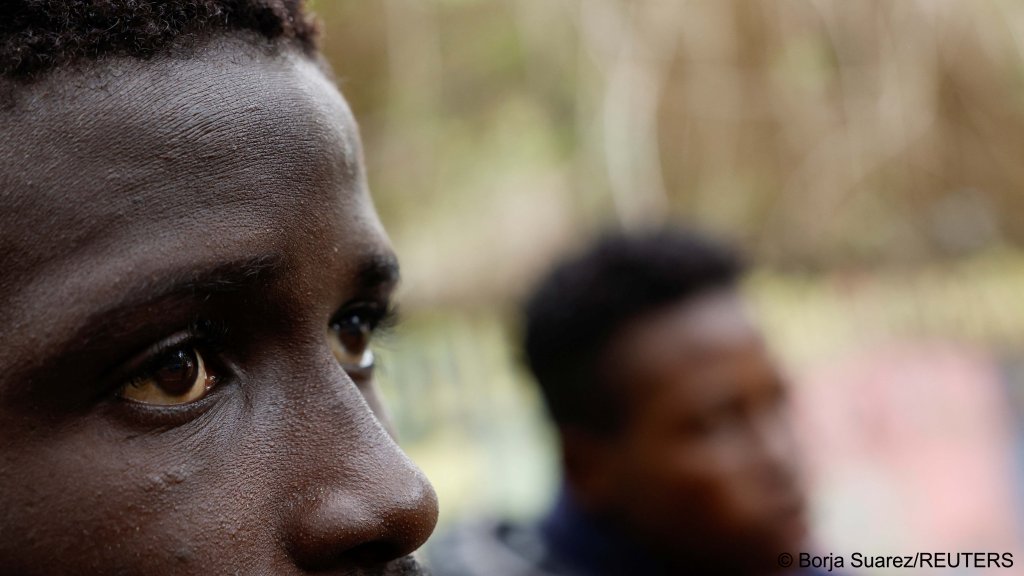
New centers will also need to be built for minors in compliance with Spanish law. These centers need to house a limited number of young people, with no more than about ten or 12 places available for those who claim residency. The State Secretariat for Migration told the new portal they would be working on opening the necessary reception facilities on the mainland, but could not foresee there being the need to open new spaces on the islands.
Read AlsoSpanish court demands government explain measures for migrant minors
Some 370 minors remain in island centers
In March, when the High Court issued its first ruling, there had been about 2,000 minors eligible for transfer. But before last week's transfer, only 30 minors had actually departed.
On Friday, Delgado confirmed that there still were 200 minors staying in the temporary barracks, known as Canarias 50, and about 170 minors in a new center set up by the Migration department.
The rest have either been transferred to the mainland or have reached adulthood and been transferred to centers offering international protection for adults. In other cases, the public prosecutor’s office might have established that the minor had ties to the islands and couldn’t be transferred.
Minors who arrived after August 29 this year can expect to be transferred to another part of Spain within a month or a month and a half of arrival.
Read AlsoOumar, teen who travelled to Canaries, not alone thanks to new foster mother
Arrivals and asylum applications on a downward trend
Since the beginning of the year, more than 15,444 migrants have arrived on the Canary Islands, according to data from the UN Refugee Agency (UNHCR) updated on November 16. Nationals from Mali (39 percent) and Senegal (23 percent) account for the majority of arrivals on the West African Atlantic Route to the Canary Islands, according to data provided by the European border agency Frontex. Nationals from Guinea and Morocco followed with 11.6 percent and 9.5 percent, respectively. These figures were last updated on September 30, 2025.
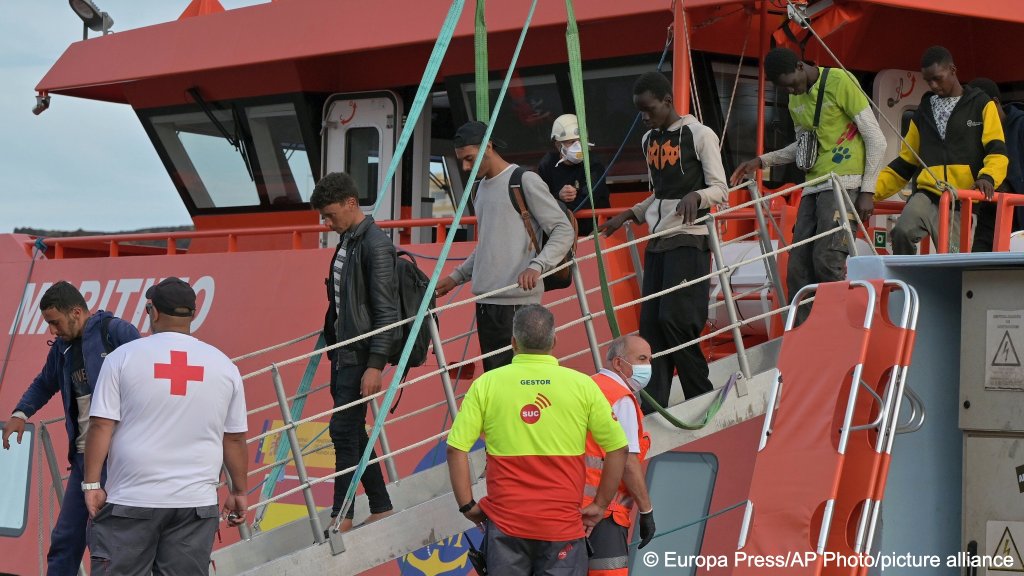
Asylum applications in Spain were on a downward trend as of October 31, 2025. Although applicants from Mali, which accounted for the second largest group of applicants after Venezuelan nationals, slightly rose compared to the number of applicants in October 2024.
Applicants from Mali currently receive a 98 percent positive recognition rate in Spain, according to UNHCR, with the majority being granted subsidiary protection.
Read AlsoSpain: Renewed disagreement over handling of unaccompanied minors in Canaries
Financial assistance and partnership agreements
According to a briefing from the European Parliament in September this year, the EU has been offering extra financial assistance to Spain to support the Canary Islands for "many years." Between 2021 and 2027, the EU promised 110 million euros from the Asylum, Migration and Integration Fund (AMIF) to help strengthen reception capacities and procedures in Spain. In addition, under the previous EU Commission, it was announced that the Canary Islands should receive an additional 14 million euros as part of the European Regional Development Fund (ERDF).
Since 2020, as underlined by the EU Parliament, Spain has received 87 million euros through Emergency Assistance (EMAS) to establish identification centers, registration centers and emergency reception facilities for around 6,000 people on the Canary Islands. Between 2014-2020, Spain was allocated by the EU over 846 million euros for migration management.
The EU has also provided funding and development and training support to nations in West Africa, including Senegal and Mauritania. In March this year, the European Commission announced a new migration partnership and dialogue with Mauritania, backed by 210 million euros to strengthen management capacities and provide refugee aid, noted the parliamentary briefing paper.
Between 2021 and 2027 was granted 30 million euros were granted for border management. And a similar partnership agreement has also been struck with the Gambia.