
Germany wants more foreign workers, while also raising the pressure on refugees. A new Work-and-Stay Agency promises faster legal migration, even as political disputes grow over deportations to Syria and implementing tougher integration demands.
Germany’s government is attempting to redefine its approach to migration, placing strong emphasis on attracting skilled workers and simultaneously tightening expectations for integration and labor participation among asylum seekers and refugees already in the country.
Recent statements by Chancellor Friedrich Merz and Interior Minister Alexander Dobrindt highlight a dual strategy, opening Germany up to more qualified foreign labor, while linking the right to remain for certain refugee groups more closely to "successful integration and employment.'
This shift comes amid mounting political pressure to reduce irregular migration, legal hurdles around deportations, and growing dependence on migrant labor in key sectors such as healthcare.
Read AlsoOECD report: foreigners earn less but are becoming indispensable in labor market
Merz: 'Germany is an open, liberal, tolerant country'
Speaking at an event hosted by the German Retail Association recently, Chancellor Merz made an explicit appeal for broad, globally sourced labor migration. "We need qualified immigration," he said, emphasizing that Germany aims to present itself as "an open, free, liberal, tolerant country" that welcomes people "from all parts of the world who are ready to work."
Germany, facing persistent shortages of skilled workers across multiple sectors, is reorganizing its labor-migration framework to make entry more efficient, predictable, and digital. Merz described the government’s flagship initiative -- the new Work-and-Stay Agency -- as the largest digital transformation project of the current legislative period.
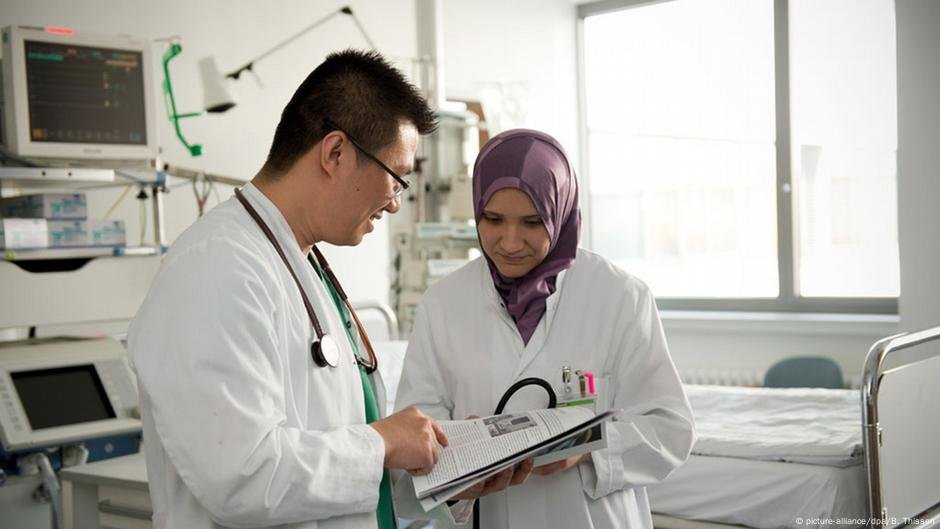
The need is especially acute in the care sector, where Germany relies heavily on foreign staff. More than 300,000 care workers have arrived in recent years, and almost one in four nursing-home employees is a foreign national. Researchers warn that without migrant labor, the sector would collapse. Yet many recruits face major challenges: high recruitment fees, limited recognition of qualifications, language barriers and discrimination -- all of which influence whether they stay in Germany long-term.
Read AlsoHow can Germany make immigrant nursing staff want to stay?
The Work-and-Stay Agency
Approved by the cabinet in early November, the Work-and-Stay Agency will fundamentally restructure how Germany processes labor immigration. Under the new model, work permits, residency authorizations, and the recognition of professional qualifications will be handled independently of asylum procedures, through a streamlined, fully digital process.
The rollout will be gradual, according to officials. In 2026, the government plans to tender major IT components for the agency, with detailed timelines and responsibilities to be finalized between participating ministries. The objective is to create a modern, efficient, and transparent entry path for skilled workers -- a stark contrast to the cumbersome and decentralized processes and red tape that have long frustrated employers and applicants alike.
The agency also reflects a broader policy goal: encouraging legal, employment-based migration while reducing reliance on irregular routes. Government officials have repeatedly described this shift as promoting "good migration," meaning predictable, regulated and labor-market-oriented entry.
Read AlsoEssential, but uncertain: Refugees and Bavaria’s labor gap
Integration and work as conditions for staying
While the government is widening pathways for skilled workers, it is simultaneously tightening expectations for refugees already in Germany.
Interior Minister Alexander Dobrindt made clear that well-integrated Syrian refugees who are working will not have to fear imminent deportation. "Those who integrate and work have a perspective to stay," he told Der Spiegel. However, he was equally explicit that the opposite holds true: "Those who do not integrate, who do not work, have the prospect of returning to Syria."
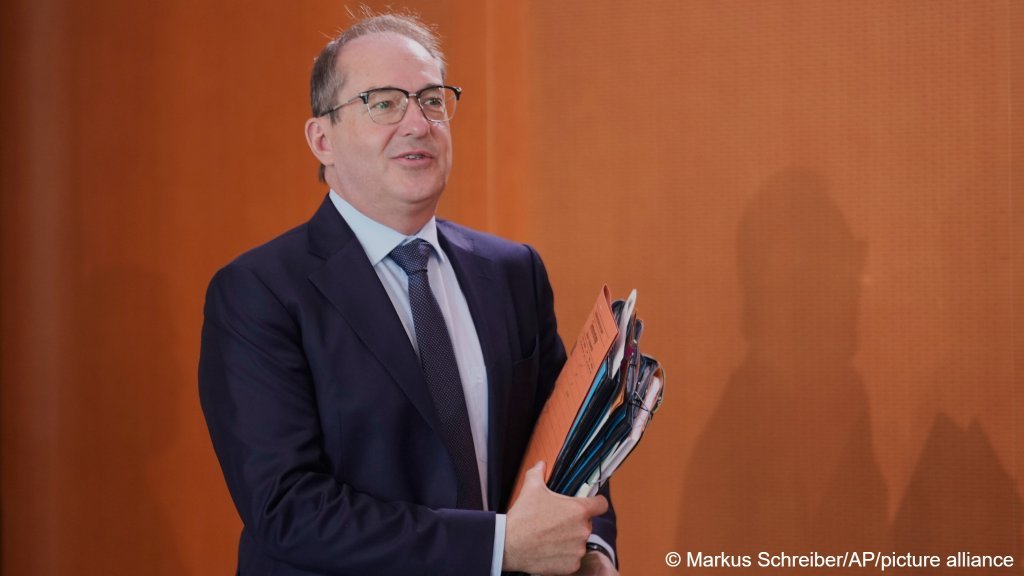
Dobrindt declined to estimate how many Syrians might fall into each category, framing the issue as one of personal responsibility: "Syrians have it in their own hands whether their integration and participation in the labor market succeed."
His stance is part of a broader tightening of migration policy. Dobrindt ordered increased border controls on his first day in office and authorized pushbacks of asylum seekers at the border. He has also called for a "tougher and more hardline" European asylum policy -- a line that underscores a more restrictive turn in Germany’s migration politics.
Read AlsoMerz: It's time for Syrian refugees to "return home"
No home visits without losing protection status
Dobrindt also reiterated his uncompromising stance on travel to Syria by individuals holding protection status in Germany. Anyone who flies to their home country, he argues, demonstrates that "apparently no danger threatens them there" -- and therefore loses their protection status.
Refugee advocates have argued that allowing short visits could help people assess the situation on the ground or check on property. Dobrindt rejects this, claiming that individuals can stay informed through relatives, friends, and digital communication: "They have smartphones on which they can find out about conditions in their homeland at any time."

The issue has grown more pressing since the fall of Bashar al-Assad in late 2024. Arrivals from Syria have dropped sharply -- down 46.5 percent -- while returns have risen by more than a third. Merz argues that the civil war is now over, and that "there are no longer any grounds for asylum," potentially opening the door to deportations that have been suspended for 12 years.
Read AlsoSyrian migration to Germany drops to almost half, UN warns of ongoing abductions in Syria
Internal disagreements over deportations
The debate around possible returns to Syria has exposed tensions within Germany’s governing coalition. Foreign Minister Johann Wadephul recently struck a far more cautious tone during a visit to Syria, saying that returns were "only very limitedly possible at this time."

His warning reflects the conditions on the ground: although Bashar al-Assad was ousted in late 2024 and the Islamist-led rebel alliance now in power ended decades of dynastic rule, security remains volatile. The UN has documented nearly 100 abductions or enforced disappearances since January alone, with clashes continuing in coastal areas and Sweida. Despite this, Chancellor Merz insists the civil war is "over" and that Syrians in Germany "no longer have any grounds for asylum," even as the UK, EU and UN lift sanctions on Syria’s new president Ahmad al-Sharaa, a former HTS commander whose rise has not yet stabilized the country.
Legal and logistical barriers also remain substantial. Germany has only about 800 detention places nationwide, most designed for men, and many federal states lack their own facilities. Deportations stall when nationality is unclear -- a common issue for people from multi-ethnic regions such as Syria or Turkey. As a result, voluntary return remains far more common than forced deportation: in Berlin, the ratio has been six to one.
A two-track migration strategy
Germany’s emerging migration model draws a clear line: skilled workers are being actively recruited, while refugees already in the country face tighter scrutiny over their right to remain.
Integration is increasingly defined through employment, turning work into the main condition for protection. Those who fail to meet these expectations risk losing their status -- even as the government prepares for possible deportations to Syria despite ongoing insecurity.
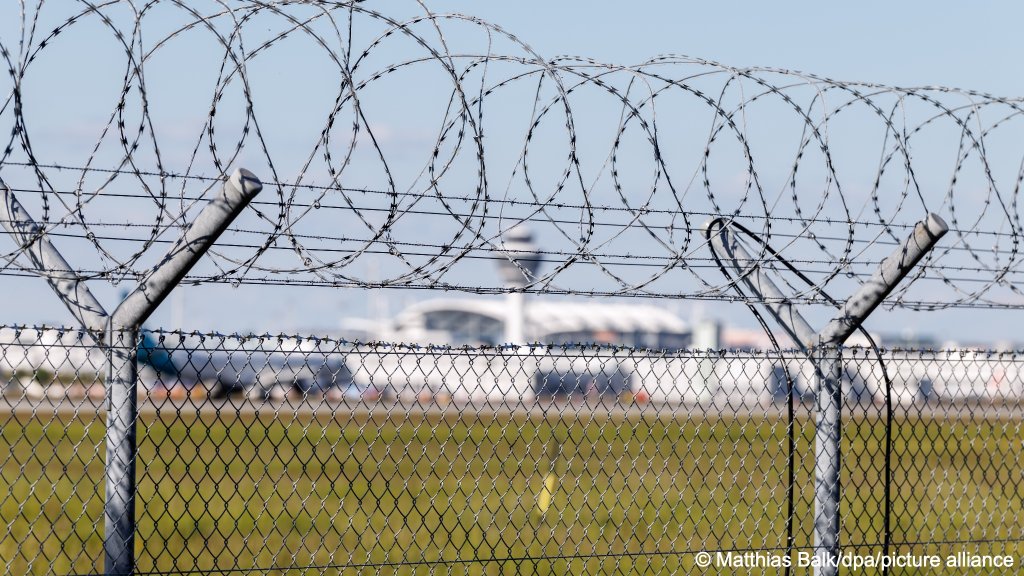
The push to revive removals has exposed deep contradictions. Germany depends heavily on migrant labor, particularly in the care sector, yet many foreign workers confront difficult conditions, limited recognition of their skills, and discrimination -- factors that undermine long-term retention.
By advancing more liberal labor-migration measures while tightening asylum rules, the government is prioritizing economic needs over protection.