
Britain’s Home Office announced on Sunday that it had flown a "record number of 16 illegal migrants" back to France on a single flight. That brings the number of returns under the ‘one in, one out’ deal with France to 42 so far.
"The Home Secretary [Interior Minister – Shabana Mahmood] has pledged to scale up removals to France," states a press release from the Home Office on Sunday (October 19).
"This is the largest return flight under our historic deal with the French. And it sends a warning to those considering entering this country illegally: if you come here by small boat, you can be sent back," explains Mahmood.
"This is just the beginning. […] And I will do whatever it takes to secure our borders."
The 'one in, one out' scheme, which was signed at the end of July to be launched in August, eventually began operating in September. In its press release, the government celebrates that "within weeks" of the start of operations of the deal, it has already successfully "removed 42 illegal migrants."
More than 36,700 have crossed the Channel to Britain since January
However, since the beginning of the year, according to British government data, and up to October 19, a total of 36,734 migrants have successfully crossed the Channel towards Britain from the French coast.
In mid-September this year, the British state broadcasting corporation BBC reported that the French authorities said they had prevented more than 17,600 attempted crossings of the same stretch of water. Many migrants try several times until they manage to cross, so this is not the same as the actual number of individuals who are waiting to cross.
Under the terms of the deal, the French are allowed to send eligible migrants to the UK, who have legitimate claims to protection and perhaps already family in Britain. The news agency Agence France Presse (AFP) reported on October 19 that since this summer, 18 migrants had been sent over to the UK under the terms of the deal.
Read AlsoTough on migrants, France clears squatter camp in Calais and stops boat migrants
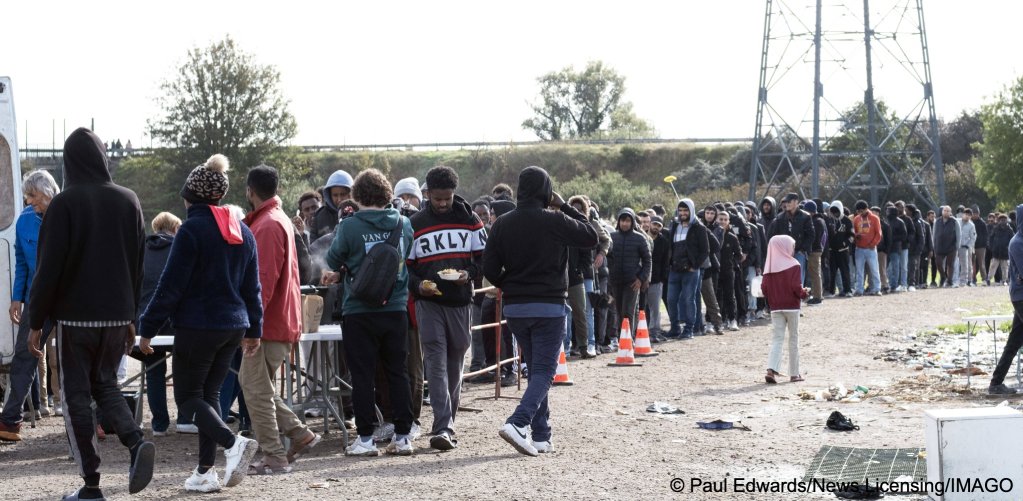
Rights commission criticizes deal
A French governmental organization, the National Consultative Commission on Human Rights (Commission nationale consultative des droits de l'homme -- CNCDH), recently criticized the deal, branding it "cynical and dehumanizing."
The commission added it believed that fundamental rights were not being respected under the terms of the deal, or the international obligations of which both retain and France are signatories.
The mechanism of the deal, in the opinion of the CNCDH, "creates a cynical and dehumanizing system, in which the legal crossing of one migrant from France towards England depends on the expulsion of another who made a dangerous crossing of the Channel with the help of smugglers."
The commission added that conditions to actually be considered for the scheme and enter Britain lacked transparency and were "discriminatory," reported the French news website 20 Minutes.
The commission added that the deal essentially worked to "externalize the process of asking for asylum." Finally, the commission said it doubted whether the deal would actually manage to reduce the number of those making the crossing using smugglers, and might even have an inverse effect.
The CNCDH called on the French authorities to make sure that the deal did not continue after the conclusion of the pilot project, due at the end of June next year.
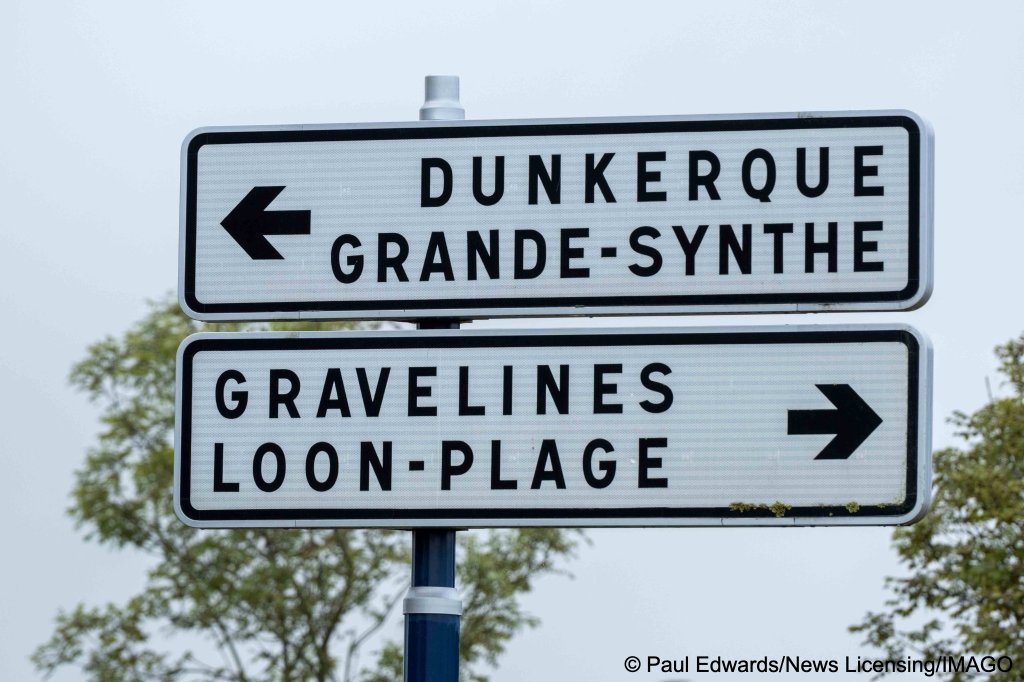
Returns to year ending March 25
The British government publishes its return statistics in March each year. In the year ending March 25, it said it had carried out a total of 8,590 enforced returns. A substantial proportion of these were Albanian and Romanian nationals.
There were also 26,388 voluntary returns. The number of refusals of entry at port and subsequent return declined in the year ending to March 2025, stated the British Government, but still totaled 22,267.
Conversely, there was an increase in the number of returns of foreign national offenders. In the year ending March 2025, a total of 5,154 FNOs were returned to their home country, marking an increase of 21 percent on the previous year. The majority of these came from Albania and Romania in terms of single national groups.
Read AlsoUK announces tougher requirements for migrant settlement
Return flights cost 'hundreds of thousands of pounds'
The UK TV channel, ITV followed one of these flights to Romania of FNOs at the end of September this year.
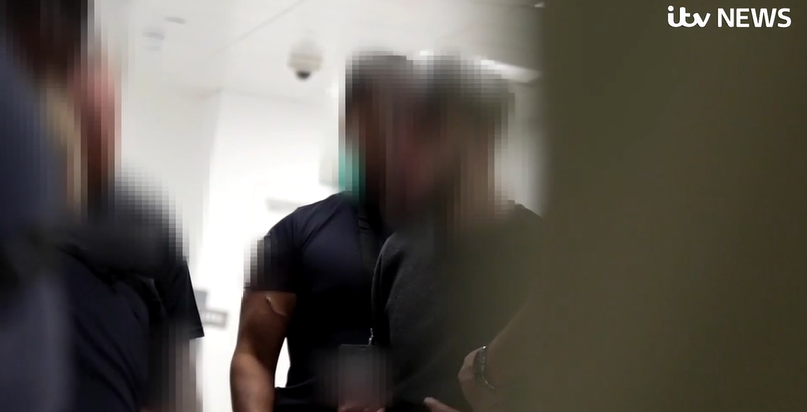
The flight costs "hundreds of thousands of pounds," reported ITV. Much of those costs were obviously for the number of staff needed to accompany the FNOs, many of whom were resisting being deported, and the flight itself. But once on the flight, pre-loaded credit cards were distributed to those on board, with as much as 2,000 per person on the cards, intended to help them start again in their home country.
Some of those on the flight told the ITV reporter Paul Brand that they might return to Britain at a later date, others said that they wouldn’t. At least three of those scheduled to be on the flight managed to get themselves removed from the flight with last-minute legal challenges.
Bilateral deals strengthen returns policy
In the year ending March 2025, there were also 9,838 asylum-related returns, and 2,240 people were returned after arriving by small boat across the Channel. This marked a 3 percent decrease compared to the year ending March 2024, stated the government.
Most of those returned in this category were Albanian nationals under the terms of a bilateral treaty between Britain and Albania.
Last week, Britain sent border security officers to the Western Balkans in an attempt to "disrupt illegal migration routes and explore new enforcement techniques that could see UK law enforcement and border security operations alongside Frontex in the Western Balkans to track down and arrest people smugglers."
Read AlsoSummit on Balkans in Belfast focuses on controlling migration