
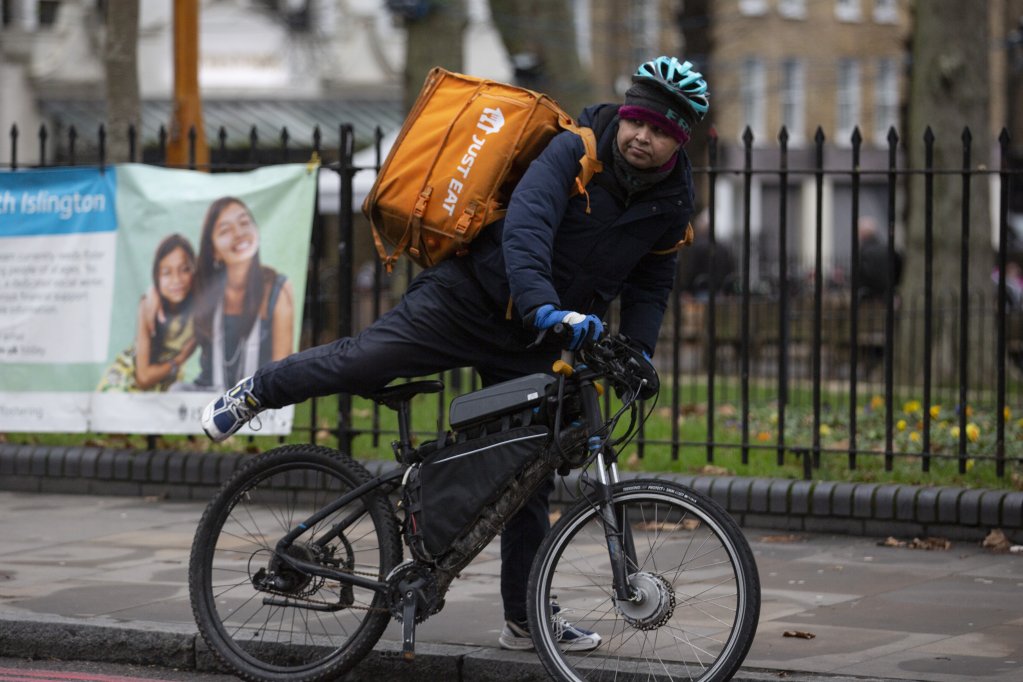
In the UK, food delivery giants like Deliveroo, Uber Eats, and Just Eat have pledged to tighten identity checks and boost the use of facial recognition technology to prevent unauthorized working on their platforms. The move comes amid government pressure following investigations into the widespread practice of account sharing.
Food delivery companies operating in the UK, like Deliveroo, Uber Eats, and Just Eat have agreed to enhance their security measures, including implementing more rigorous facial verification checks, to prevent irregular migrants from working illegally as drivers. This move comes after increasing government scrutiny and media investigations exposed widespread abuse within the gig economy.
Despite existing right-to-work controls, the government has acknowledged persistent misuse through account sharing. Many asylum seekers arriving via the Channel, though legally barred from employment while their claims are processed, reportedly circumvent restrictions by "renting" verified user accounts. This loophole enables them to work as delivery drivers shortly after arrival, claimed a flurry of recent media reports, which led the British government to call the companies in.
Read AlsoUK: Crackdown on unauthorized gig workers
Mounting political pressure
Following a high-level meeting with the Home Office, the delivery platforms committed to intensifying the use of facial recognition and fraud detection technologies to ensure only registered account holders operate on their platforms. Just Eat plans to increase the frequency of these checks from monthly to daily, aligning with measures already in place at Deliveroo and Uber Eats.
Border Security and Asylum Minister Angela Eagle underscored the government’s "zero-tolerance approach to illegal working," emphasizing the harm it causes to legitimate businesses and workers' wages while also facilitating human smuggling operations.
The issue has become politically sensitive. UK Prime Minister Keir Starmer, facing pressure from the anti-immigration Reform UK party, which is doing well in electoral polls, has prioritized reducing irregular migration, to try and win back support for his government. New immigration legislation is underway, aiming to enhance police powers against smuggling networks and enforce stricter right-to-work checks across gig economy platforms.
Since January, more than 19,000 people have crossed the Channel from France, a record number despite various measures put in place to deter such journeys. French officials, including former Interior Minister Gerald Darmanin, argue that the availability of illegal work opportunities in the UK acts as a pull factor encouraging migrants to attempt these dangerous crossings.
British tabloids have documented police raids in central London, where several migrants suspected of illegally working for delivery companies were arrested. Home Office footage shows Immigration Enforcement officers detaining drivers suspected of using rented or fraudulent accounts. Shadow Home Secretary Chris Philp’s surprise visit to an asylum hotel revealed "clear evidence" of illegal working involving Deliveroo, Just Eat, and Uber Eats, he claimed.
Read AlsoUK to toughen immigration rules amid political pressure
Industry response and ongoing challenges
The delivery firms have reaffirmed their commitment to tackling illegal working. Deliveroo described its approach as "zero tolerance" but admitted criminals continue to find new ways to exploit the system. Uber Eats committed to ongoing investments in detection tools, while Just Eat vowed to strengthen safeguards amid these evolving challenges.
Voluntary right-to-work checks introduced last year led to thousands of accounts being flagged or removed. Now, platforms will increase facial verification and fraud detection technology to more effectively ensure that only verified users can work on their apps.
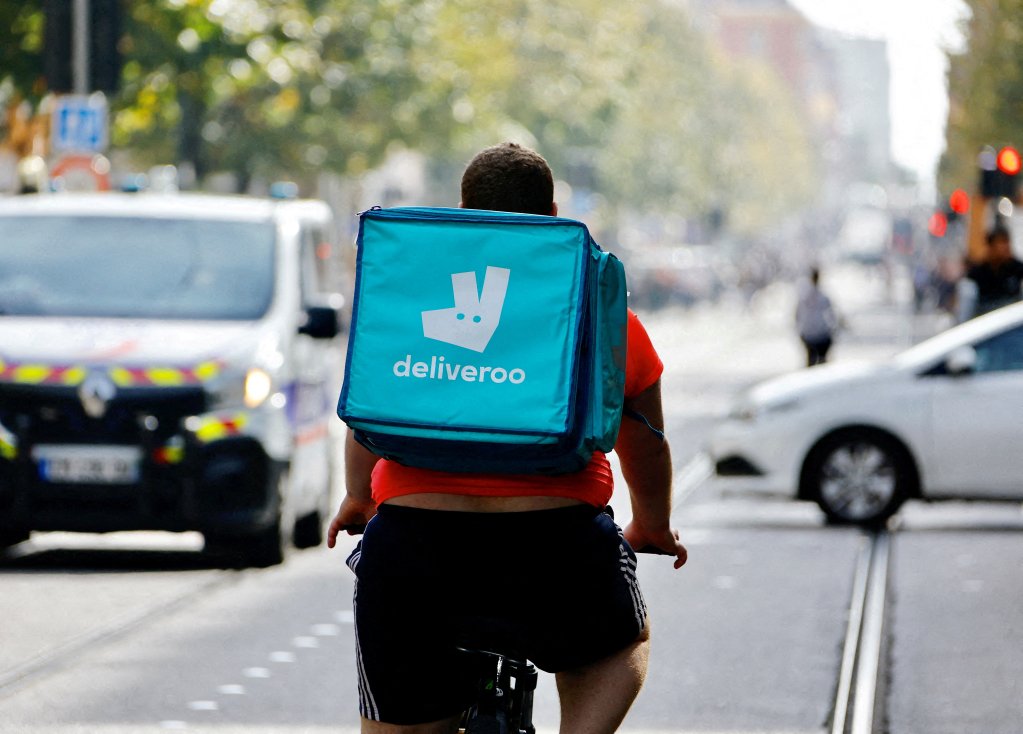
The delivery firms, and other conglomerates that offer work in the so-called 'gig economy' operate globally and in many cities across Europe. Migrants are often employed in these kinds of jobs, perhaps partly because the posts are fairly low-skilled and so offer an opportunity without the need to convert educational or training certificates, or even learn much of the language before starting. Many of the jobs are also low paid compared to the hours worked, and can be stressful and tough.
The Maltese government has just announced a partnership with ride-hailing company Bolt and the International Organization for Migration (IOM) to launch a pilot program in Malta called "Bridging the Gap – Integrating Migrants." The initiative seeks to provide vetted migrants with lawful access to gig work through structured training, vetting, and integration support, including language classes and employment coaching.
This pilot aims to create a scalable model that can be expanded across Europe. In a press release, Catalina Devandas of the IOM described the project as an example of how the private sector can facilitate "safe and dignified migration pathways that meet real market needs and protect workers' rights," while Bolt emphasized the importance of collaboration between public and private stakeholders. If successful, this model could also provide a legal pathway for employment and integration for migrants in the UK, where the company also operates.
Read AlsoFrance: New labor shortage list falls short of hopes for undocumented workers
Human rights concerns
While facial recognition can help reduce fraud, human rights experts warn against the broader implications of AI-driven biometric systems. A recent United Nations report stresses that without proper safeguards, such technologies risk violating privacy and disproportionately affecting vulnerable groups such as migrants, women, and minorities.
Lyra Jakulevičienė, chair of the UN Working Group on Business and Human Rights, called for clear regulatory red lines to prevent AI systems that fundamentally conflict with human rights. She urged governments and companies to conduct thorough rights assessments to ensure transparency, accountability, and protection from harm.
Read AlsoTrapped in the grey zone: Foreign domestic workers in the UK struggle without the right to work
With AFP and dpa