
A migrant boat capsized between Tunisia and Italy, leaving one dead and several missing, amid rising Mediterranean fatalities. Meanwhile, there are growing legal concerns over Italy’s contentious deportation deal with Albania.
A migrant boat sank between Tunisia and Italy, leaving one woman dead, though the Italian coastguard managed to rescue 87 survivors, the Red Cross told the French news agency Agence France Presse AFP on Monday.
After reportedly setting out from La Louza in Tunisia, the metal fishing boat sank in the middle of the night when it was approximately 45 miles (72 kilometres) from Italy's Lampedusa island, according to Italian media.
Tunisian fishermen in the area alerted Italian authorities, they said, adding that at least five or six migrants were believed to be still missing.
The rescued migrants, all from sub-Saharan Africa, were transported to a reception center in Lampedusa for care, according to the Italian Red Cross, which runs the center. The Red Cross also said the coastguard had recovered the body of a drowned woman.
Read AlsoItaly: Calm seas have led to an increase in arrivals
Rising death toll in the Mediterranean
The central Mediterranean remains one of the world's deadliest migration routes, frequently used by people fleeing poverty or conflict to reach the European Union.
As of June 30, 29,903 migrants had landed on Italian shores in 2025, including 5,328 unaccompanied minors, according to data provided by the Italian interior ministry. While slightly higher than the number during the same period last year, this figure represents less than half of the 65,519 arrivals recorded in the first half of 2023.
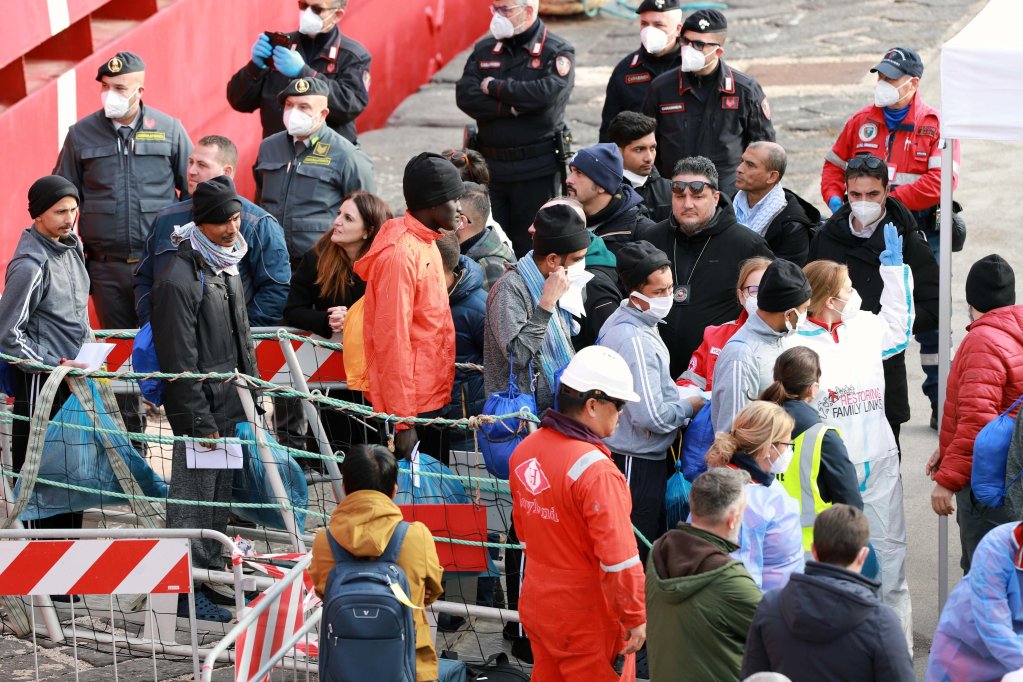
Data from the interior ministry shows that the largest group of sea arrivals in 2025 came from Bangladesh, making up over a third (33.3 percent) of the total, followed by Eritrea (15.7 percent), Egypt (10.4 percent), Pakistan (10.0 percent), and others from Ethiopia, Syria, Sudan, and Somalia.
According to the International Organization for Migration (IOM), 2,452 people died in the Mediterranean in 2024, while attempting to reach Europe. In 2023, the IOM recorded 3,155 deaths, on this route.
Read AlsoMediterranean: 175,000 migrants rescued since 2015
Italy’s controversial repatriation deal with Albania
As sea arrivals continue, Italy is also escalating its deportation efforts -- including through a controversial agreement with Albania.
The Italian government is pressing ahead with its repatriation deal with Albania, under which migrants are held at the Gjader facility before removal. Originally intended as an asylum processing center, Gjader has primarily been used for deportation since Italy’s Court of Cassation ruled it could detain migrants even after they seek protection.
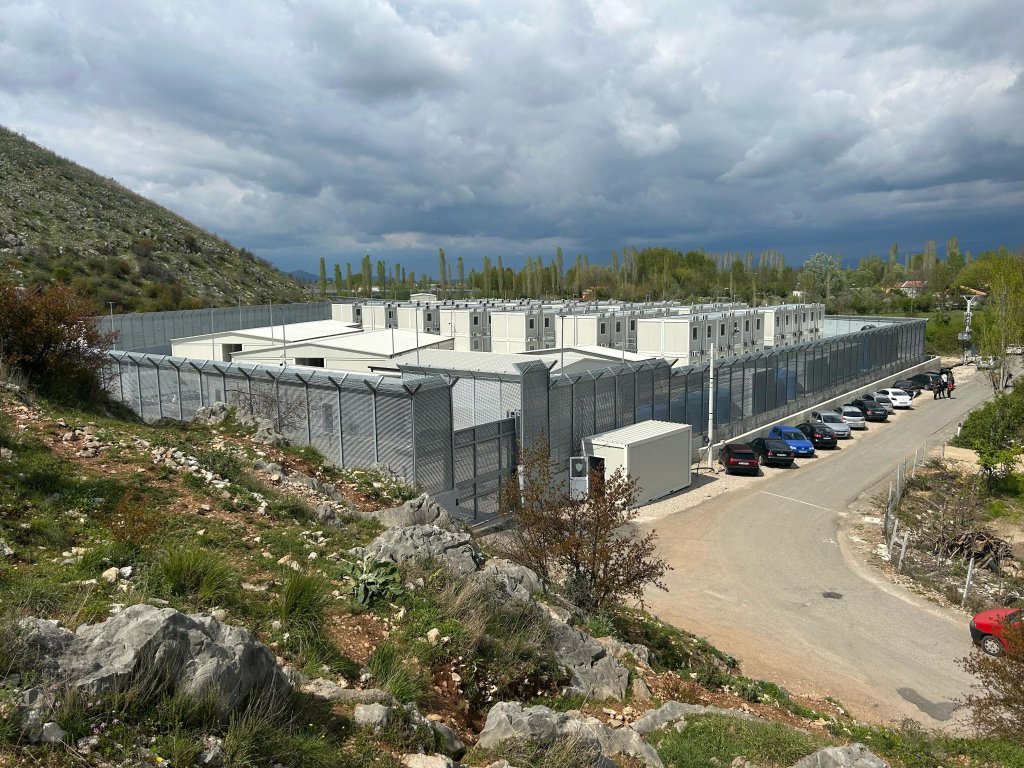
Between April 11 and late June, 110 people passed through Gjader, according to the Italian interior ministry. Twenty-four were returned to Italy for deportation. But on May 9, Italy carried out its first direct deportation from Albanian soil.
As reported by Altreconomia, a charter flight from Rome to Cairo stopped in Tirana to pick up five Egyptian nationals detained at Gjader. The flight was arranged through a public tender issued on April 28, requiring the Tirana stop. The individuals appear to have been transferred to Gjader days before the operation. The flight, operated by PAS Professional Solution Srl, reportedly cost 113,850 euros -- over 6,300 euros per person and 31,779 euros more than a comparable flight without the stop.
Read AlsoItaly: Top court expresses concerns about Italian asylum centers in Albania
Legal concerns
Critics say the operation may have violated both Italian and EU law. Gianfranco Schiavone of ASGI told Altreconomia that transferring detainees within Albania falls outside Italian jurisdiction, breaching Article 13 of the Constitution. "These operations occurred without judicial oversight and lack legal basis," he said.
The regional reporting platform Balkan Insight confirmed these were the first deportations since Gjader opened in October 2024. Activist Kristina Millona said they violated legal safeguards by taking place outside EU territory. In a joint statement to Balkan Insight, Schiavone, Egyptian NGO director Nour Khalil, and Italian MP Rachele Scarpa warned the move could set a dangerous precedent. "EU law prohibits member states from carrying out deportations from third countries," they noted, adding that the European Commission’s proposed rule changes to allow for this kind of practice do not yet apply.
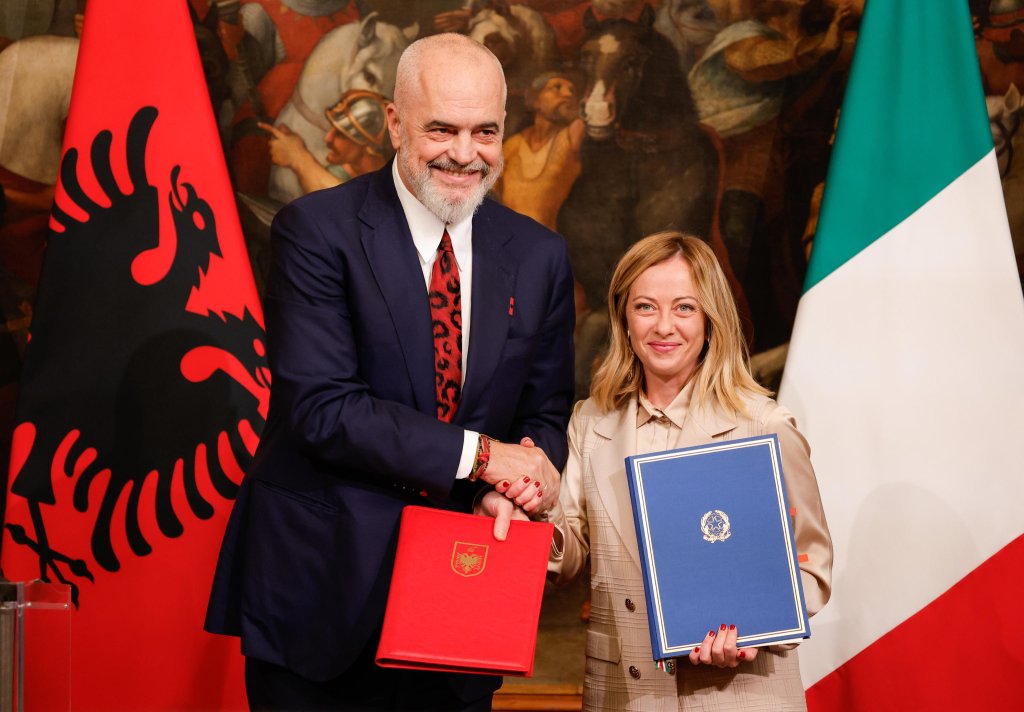
The Gjader center is run by Italy under a 2023 deal between Prime Ministers Giorgia Meloni of Italy and Edi Rama of Albania. While originally intended to host asylum seekers rescued at sea and process their claims under Italian jurisdiction, it now holds only those already issued with expulsion orders. Legal challenges delayed initial transfers, but since new rules were adopted in March, Italy has begun sending rejected asylum seekers and overstayers from its own territory to Albania.
Since taking office in 2022, Italian Prime Minister Giorgia Meloni -- leader of the Brothers of Italy party (Fratelli d’Italia, FDI) -- has prioritized curbing irregular migration. Her government has promoted agreements with key countries of departure, including Tunisia, as part of broader EU-level efforts to reduce sea crossings and reinforce border controls.
Read AlsoItaly, other EU states urge rethink on European rights convention
With AFP