
France is experiencing a major heatwave this week. Several departments have been placed on red- and orange-level alerts. The population is urged to seek shelter from the sun and heat. This recommendation is impossible for migrants living on the streets in the Paris region or on the northern coast of France.
In the migrant camps located on the northern coast of France, around Calais and Dunkirk, the problem of access to water is nothing new. But every summer, extreme heat and a lack of water endanger the health of migrants. For the local NGOs, the situation is extremely worrying, especially during the heatwave that is hitting France from June 30 to July 2.
"In Grande Synthe, there is only one water point – a ramp with 18 taps – but it is very far from living areas, so people have a lot of trouble getting there," Salomé, one of the coordinators of the Utopia 56 association in Grande Synthe, said. She did not want her last name published for security reasons. "We've been alerting the Dunkirk municipal authorities for months about the lack of access to water, but nothing's happening."
"Last week, there was a large eviction, and the ramp was destroyed 'by mistake.' It was repaired, but the water flowing from it was dirty, so we alerted the Dunkirk municipal authorities again. The ramp was repaired again, but in the meantime, people were without drinking water for 48 hours," she said.
The prefectures of Nord and Pas-de-Calais that govern the area, like everywhere else, recommend escaping the heat, but no concrete measures appear to have been put in place to protect migrant populations. Contacted by InfoMigrants, they did not respond to our request for comment.
Read AlsoFrance: Migrants on northern coast 'live in great precariousness and lack everything'
Migrants drink water from the canal
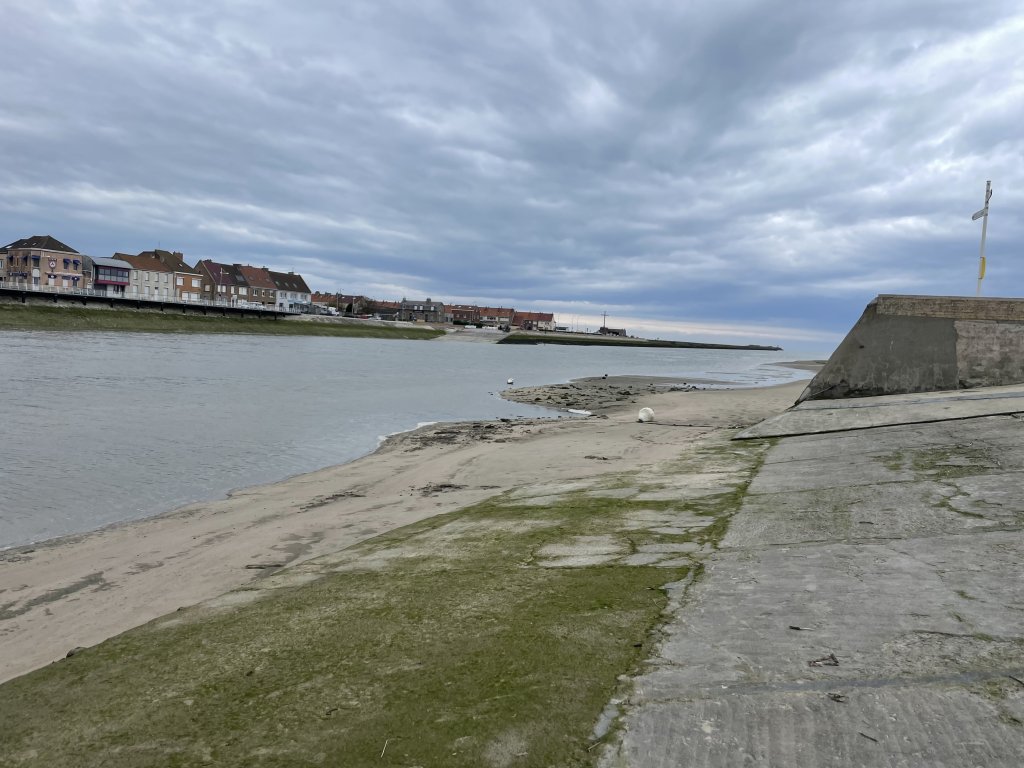
Faced with this lack of water in the camps, migrants drink and wash in the water from the canal, which runs right next to the camps where some 1,500 people live, including many families with children.
"These are dangerous practices because the banks are not at all safe. Three years ago, a young Sudanese man drowned while trying to wash in the canal," Diane Léon, coordinator at Médecins du Monde, said.
"Furthermore, we try to raise awareness about the dangers of drinking unsafe water. There are young children in the camps, and diarrhea in a toddler can quickly turn bad," she added.
Every month, the NGO lists the main illnesses encountered among migrants in the camps. Between April and May, consultations for stomach aches increased from 8 percent to 13 percent, according to healthcare teams.
On May 30, the organization Médecins du Monde (Doctors of the World) sent a letter to the Dunkirk municipal authorities and the sub-prefecture to raise awareness of this situation.
Humanitarian workers criticize the lack of support from the authorities. Around Dunkirk, the Afeji association is mandated by the government to provide shelter to those who wish to seek it, but the system is precarious, according to the associations. "Normally, Afeji offers shelter in CAES [reception and situation assessment centers] from Monday to Friday, but they don't come all the time. Every morning, we don't know if there will be shelter," Salomé said. She criticizes authorities for "abandoning" families wishing to leave the camps after the recent shootings.
'More than 2,000 people along a 150kilometer coastline'
In Calais, the situation is no better. In addition to the only water access point installed in the city, the Calais Food Collective association fills 1,000-liter tanks with drinking water near the camps.
In summer, the frequency of Channel crossing attempts combined with the high temperatures increase health risks for migrants, Angèle Vetorello, coordinator of Utopia 56 in Calais, said.
"Currently, there are more than 2,000 people living on the coastline, stretching over 150 kilometers. And people spend several days in the dunes, without water or food, between two crossing attempts," she said.
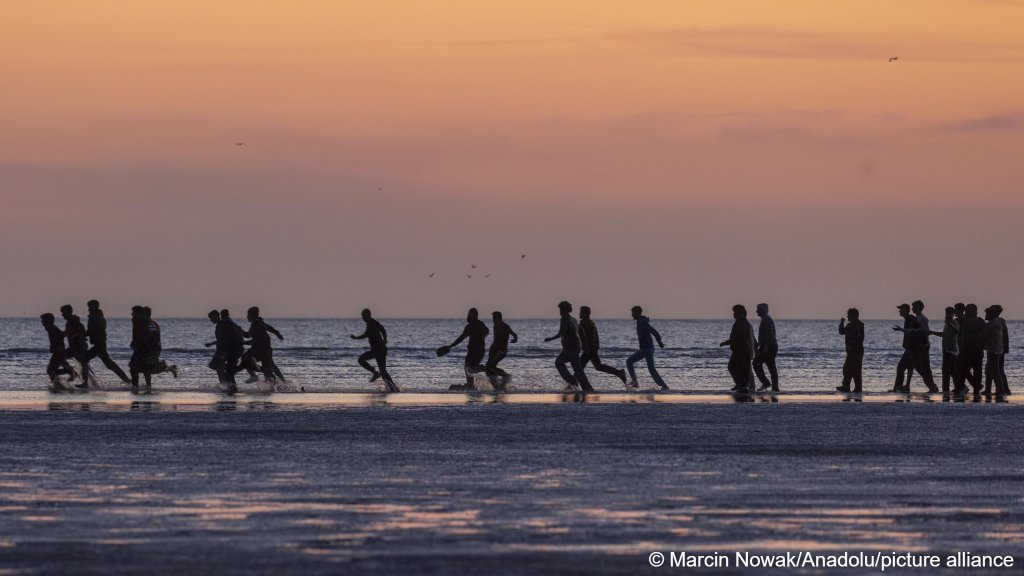
The association is frequently called in the early morning by people in the dunes. "What they need most is food, water, and often dry clothes because they're soaking wet after a failed attempt," Vetorello explained.
Read AlsoFrance toughens its anti-migration stance
'Summer is as brutal as winter for the homeless.'
In the Paris region – currently under a red-level heatwave alert – the situation is also very worrying. Highs of 36 degree celsius are expected in the capital on July 1, with temperatures feeling even higher.
"Paris is an extremely stifling city, and in the places where migrants live, equipment like tents, which provide a measure of security, creates a greenhouse effect, so it quickly becomes 10 degrees warmer inside," Nathan Lequeux, coordinator of Utopia 56 in Paris, warned. "So people return to their camps much later in the evening to try to enjoy a bit of coolness."
"Summer is just as devastating and brutal for people living outdoors," Lequeux warned. "30 percent of homeless deaths occur in the summer." This is especially true since, unlike in winter and due to the summer holidays, organizations often have less manpower during the summer.
Faced with the heat, "we are calling for shelter and for water points to be set up near living areas, as well as emergency watches," Nathan Lequeux added.
Faced with heatwaves, "the [health] risk increases when homeless people are in fragile health, which often goes hand in hand. They have psychiatric conditions, addictions, or have to take medication," Manuel Domergue, director of studies at the Fondation pour le logement des défavorisés (formerly the Abbé Pierre Foundation), said. The "Extreme Heat ('grand chaud') plan, currently being tested by the city of Paris, notably with an increase in outreach efforts, is a good thing, he said, but "we must stop taking action solely based on the temperature."
According to the census conducted during the Night of Solidarity in February this year, at least 4,000 people are currently homeless in Paris.