
Statistics released by the German Foreign Office show that the majority of family reunification visas issued are to bring children to join their parents in Germany.
Data provided by the German Foreign Office (foreign ministry) shows that the majority of family reunification visas issued allow children to join their parents or other family members in Germany.
According to the Protestant Press Service (epd), in 2024, approximately 12,000 family reunification visa applications were submitted. Of these, around 7,300 were for children to join their parents, 3,200 were for partners to join their wives or husbands, and about 1,500 were issued to parents of minor children who had already been granted refugee status in Germany.
After more than one million asylum seekers arrived in Germany in 2025/2016, the majority of them from Syria, the German government suspended the right for subsidiary protection holders to bring their closest relatives to join them.
Read AlsoGermany: Decision-makers urged not to 'stir up panic' among Syrian migrants
Syrians
This law affected Syrians above all, many of whom were issued with subsidiary protection that needed to be renewed either annually or every few years. However, in 2018, the German government slightly altered that law, and declared that up to 1,000 Syrians a month could apply for family reunification visas.
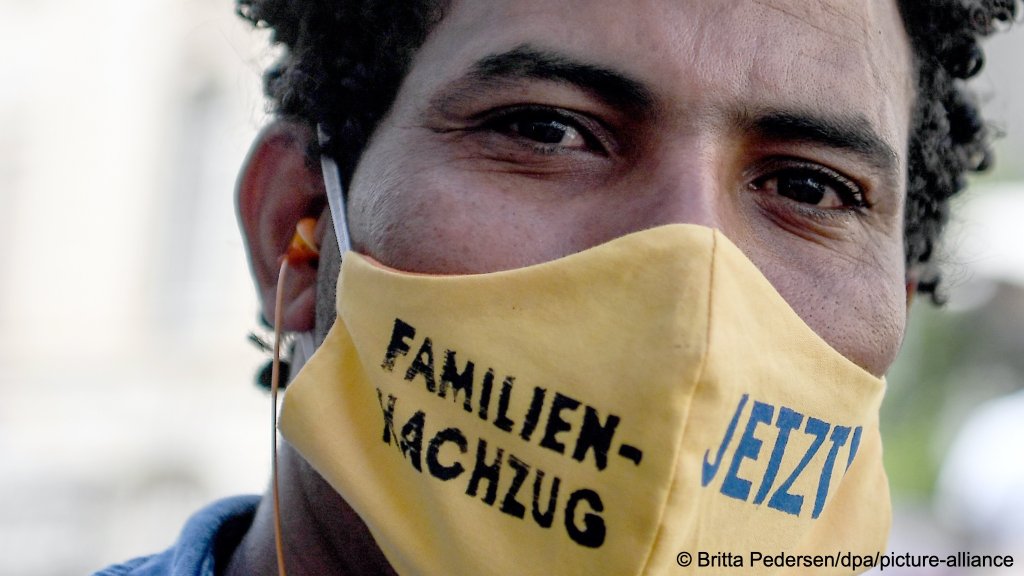
From that time, according to information on the Foreign Office website, people with subsidiary protection in Germany could apply to bring over their spouse, their children if under the age of 18. Unaccompanied minors could apply to bring over their parents or one parent too.
The decision over whether or not to grant the family reunification visa is based on "humanitarian grounds," states the Foreign Office. The document provides examples of information that would be taken into account in the application process. These include the length of time the family has been apart, how many minors are in the family, whether the family members face any dangers in the place where they currently reside, and also whether any of them have any serious illness or need care.
Integration efforts help application
In addition, the German authorities say they would also look at the efforts made by the family members already in Germany to integrate into German society. The more efforts made and the more success applicants had, the more positive their visa application would be seen.
As examples of integration, the German government listed factors such as the ability to ensure that living costs would be covered, having suitable accommodation for the family members applying to join them, and whether applicants had made progress in learning German or pursuing studies in Germany.
Anyone with a criminal conviction would be seen in a negative light, noted the document. Anyone who committed a serious crime, or had no perspective to stay in Germany, would be refused the possibility of applying for family reunification, the document added.
Read AlsoEuropean court rules Germany not obligated to recognize refugee status granted by other EU countries
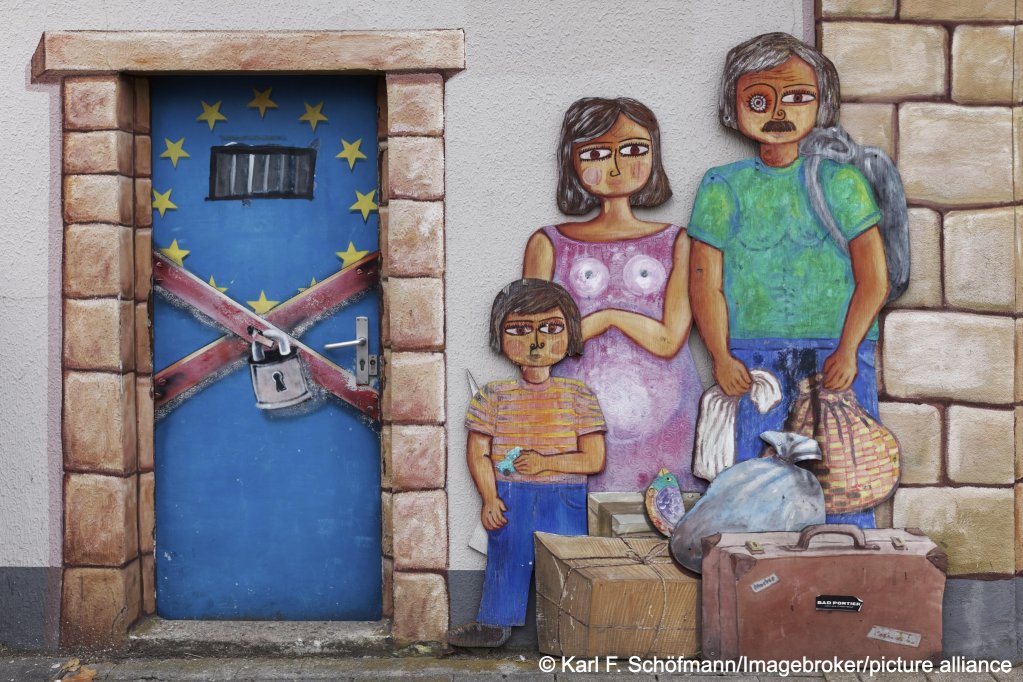
Different types of protection
According to the definition, those issued with subsidiary protection in Germany are not under threat directly as individuals, or because of something they may have done, but because there is a serious threat to the whole society in their country.
Someone who is granted asylum is someone who was politically persecuted in their home country. A refugee is defined as someone who was persecuted for various reasons, be they on the grounds of race, religion, nationality, political conviction or because they belong to a particular social group or minority that is persecuted in the country of origin.
From March 1, 2024, Germany also allowed the parents of skilled workers to join them in the country. This was in particular for people with an EU Blue Card. This group of people had the right to apply to bring a partner with them, children, or even parents or parents-in-law. For these people, the German state required health insurance to be paid by the applicant for all those they were proposing to bring into the country.
Applicants are expected to apply within three months of their asylum status being confirmed, notes the German Federal Office for Refugees and Migration (BAMF). It is also possible to lodge an application later, but then you have to prove that you have work and accommodation.
With epd
Family reunification visas can be filled out in the German embassy or consulate in the country where the applicants are living. In Amman, Jordan, Beirut in Lebanon, Istanbul in Turkey and Erbil in Iraqi Kurdistan, the IOM is responsible for the application process.