
The Netherlands is considering a plan to send rejected asylum seekers from the African continent to Uganda. While the plan is still in its early stages, it appears to be symptomatic of a new trend among European governments to try to outsource their migration concerns.
Dutch trade and development minister Reinette Klever presented the notion during a trip to the East African country, however, there are no details available on how likely it is that the plan could actually be realized. Neither has there been any official comment from the Ugandan side as to whether such a deal could be likely to go forward.
However, Ugandan Foreign Affairs Minister Jeje Odongo commented in an interview with Dutch broadcaster NOS that his country was "open to any discussions."
Klever highlighted that the plan would be geared towards African migrants who were not allowed to stay in the Netherlands but who could also not return to their home countries.
"It's important for the cabinet that rejected asylum seekers return to their country of origin. And that's where it sometimes stalls," she told the NOS. Uganda is a hospitable country with which we have good relations."
According to the plan, Uganda would accommodate them in reception camps and receive financial compensation in return.
Read AlsoUK's Starmer says Rwanda deportation plan 'dead and buried'
Human rights in Uganda
The announcement follows a certain trend to focus on building hubs for migration outside Europe. The United Kingdom worked towards a similar plan with Rwanda for over two years, until a change in government in the UK resulted in the controversial scheme being abandoned.
However, other governments have expressed an interest in Rwanda as well, including Denmark as well as the Christian Democrats in Germany, who currently are in opposition.
As opposed to Rwanda, whose human rights record is chequered at best, Uganda is accused of being a country that pro-actively restricts "the rights to expression, association and peaceful assembly," notes Amnesty International.
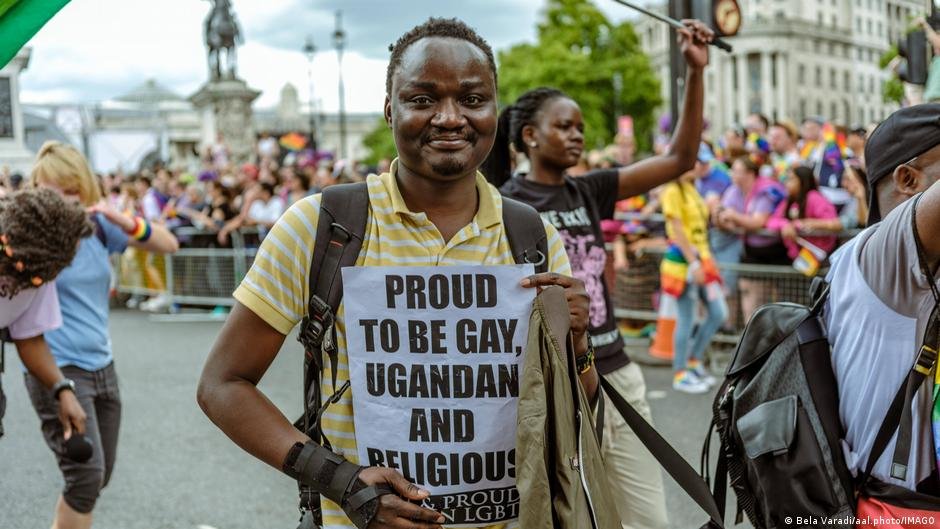
The rejection of LGBTQ+ rights in particular is known to be a major human rights issue in Uganda, with certain sexual acts carrying the death penalty.
Read AlsoDiscrimination persists against LGBTQ+ refugees – both at home and in host countries
Outsourcing migration - a European trend
Earlier in the week, Italy opened its own first offshore migrant processing and detention center in Albania. The set of facilities is designed to expedite procedures, with people being assessed under Italian law for their right to asylum, and Albania receiving hundreds of millions of euros in return.
Although the scheme has attracted a great deal of criticism, European leaders are closely observing its application; if it is deemed to be a successful method of lowering arrival numbers, other European nations are likely to follow suit and adopt similar schemes — especially those located on the Mediterranean, where most migrants tend to arrive.
Read AlsoDutch government cracks down on Ugandan asylum seekers after 'fake' LGBT claims
'Fewer asylum seekers, more Netherlands'
The Dutch coalition government is therefore only the most recent to consider a plan to deal with migrants abroad.
The Dutch government, which includes the far-right PVV party (Party for Freedom), of which Klever is a member, wants to pass tougher asylum laws and thus reduce the overall number of refugees and migrants in the Netherlands.
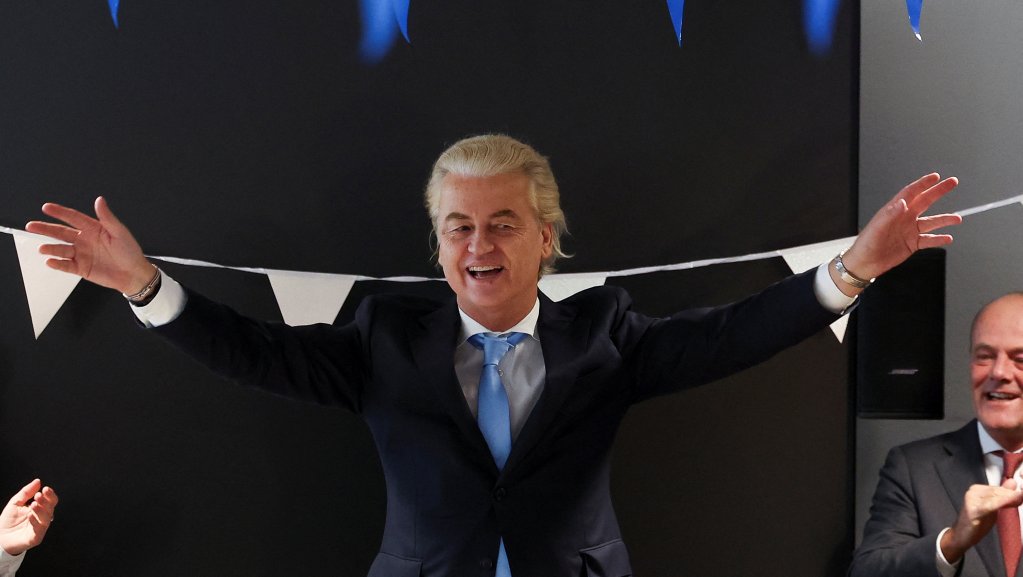
The leader of the PVV, Geert Wilders, wrote on X on Thursday: "Fewer asylum seekers, more Netherlands.”
The PVV's coalition partners have also reacted positively to the Uganda plan.
However, Dutch opposition parties have denounced the plan as "propaganda," highlighting that British and Danish plans to send asylum seekers to neighboring Rwanda had already failed miserably.
Largest refugee population in Africa
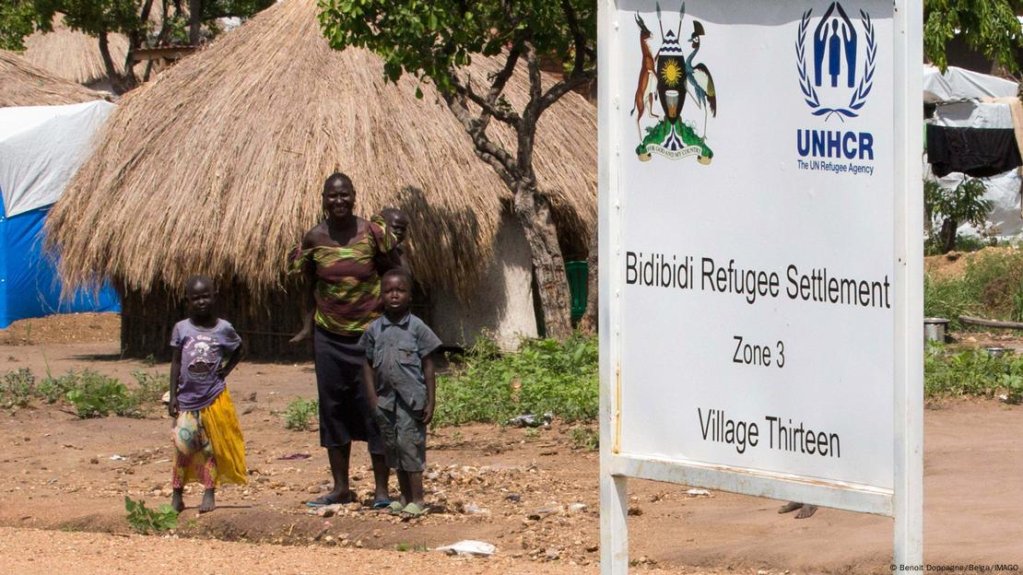
Uganda already hosts the largest refugee population in all of Africa, with more than 1,600,000 refugees and asylum seekers in the country at the end of 2023.
Nearly 10 percent of them arrived in the same year, as conflicts in the Democratic Republic of the Congo and Sudan continue to destabilize the region.
Last year, UNHCR, the UN refugee agency, said it had received less than 30 percent of its funding requirement to continue running refugee and migrant facilities effectively in the country.
Read AlsoMore than half of African migrants remain in Africa, report finds
Next steps
Dutch Asylum and Migration Minister Marjolein Faber will next look into the feasibility of the plan and will need the help of other cabinet members to assess "what the wishes of Uganda and the Netherlands are, and what legally is possible and desirable," said ministerial spokesman Jeroen van Dommelen.
"The plan is still in its early stages," he told the AFP news agency in an email.
However, with Uganda facing growing sanctions on account of its worsening human rights record, a Dutch proposal, with funding attached could perhaps be attractive to some in the Ugandan government.
Read AlsoLiving in fear: What Uganda's new law against homosexuality has to do with migration
with Reuters, dpa, AFP