
The European Court of Human Rights said on Tuesday that the rights of two Syrian cousins seeking asylum in Cyprus were breached. The two were among a group left floating on a boat off Cyprus for two days, before being returned to Lebanon.
According to a decision by the European Court of Human Rights on Tuesday (October 8), the rights of two Syrian cousins from Idlib were breached by Cyprus in September 2020. The two had been part of a group of more than 24 people on board a boat that had left Lebanon in the hope of seeking asylum in Cyprus.
The group on the boat were left floating off Cyprus for two days in early September 2020, before being forcibly returned to Lebanon.
In a press release, the ECHR noted that there had been a "violation of the right to prohibition of inhuman or degrading treatment, a violation of the right to prohibition of collective expulsion of aliens, a violation of the right to an effective remedy, and on account of the applicants' treatment by the Cypriot authorities, a violation of the right to prohibition of torture."
Returned to Lebanon
Although the applicants continue to maintain they are asylum seekers, they say the Cypriot authorities treated them as though they were economic migrants, stated the court.
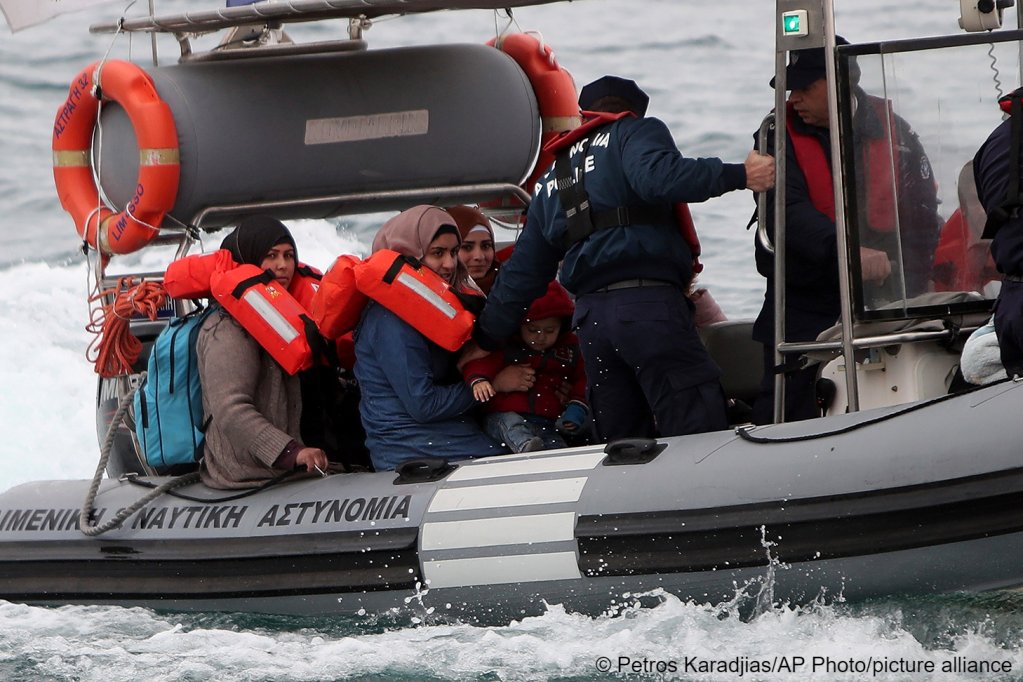
In the unanimous judgment, the court noted: "In light of the foregoing, the court finds it sufficiently established that in the present case the Cypriot authorities essentially returned the applicants to Lebanon without processing their asylum claims and without all the steps required under the Refugee Law."
The court found that Cyprus should have processed the claims of the the two 41-year-old men, refered to as M.A. and Z.R., or made sure that their claims would be processed in Lebanon. Under international refugee law, a state returning people has to make sure that the people returned will then not be forcibly returned to Syria or another country where they might face persecution. This is known as the law of non-refoulement.
Read AlsoEU Commission urges Cyprus to allow stranded migrants to seek asylum
No access to healthcare or basic rights in Lebanon, applicants argue
According to the court, the two applicants said they had no access to healthcare in the UNHCR-run refugee camps where they had been staying in Lebanon, no prospect of obtaining employment and no entitlement to basic rights in Lebanon. They said "throughout their stay, they were afraid of being sent back to Syria, as Lebanon had started removing Syrians following a popular outcry against refugees."
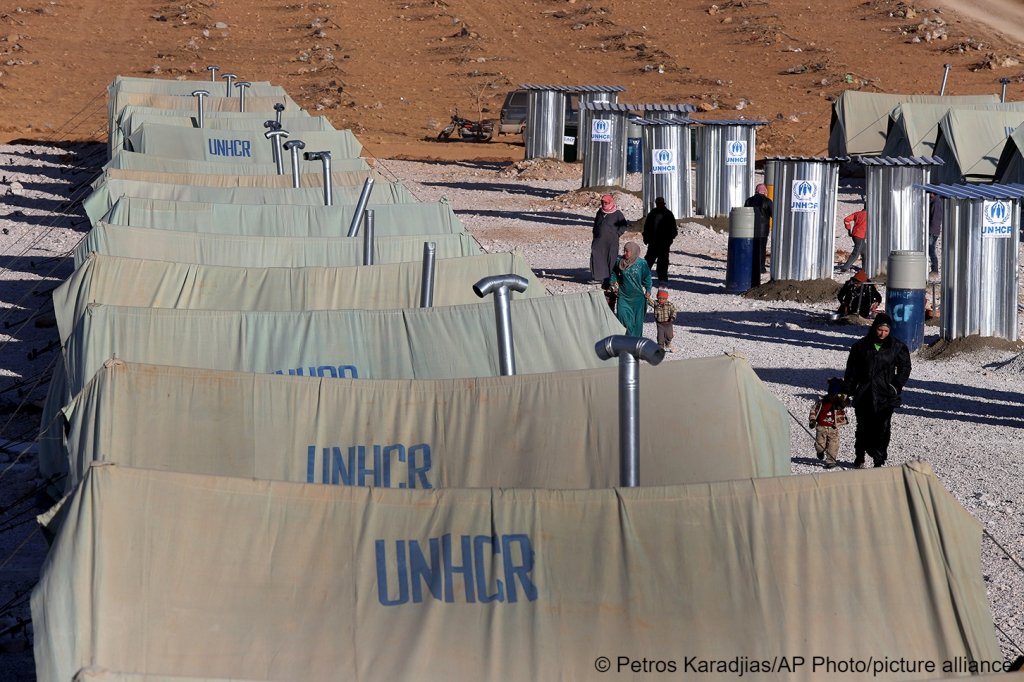
The applicants said that things had got worse in Lebanon after an explosion that took place near the harbor in the Lebanese capital Beirut on August 4, 2020, and this event caused them to seek asylum in Cyprus in early September.
M.A. and Z.R. told the court they paid a smuggler around 2,500 US dollars (around 2,279 euros) to be smuggled to Cyprus by boat. They said on their boat there were around 30 people on board, "including unaccompanied minors."
The court noted that there was "some discrepancy between the information provided by the applicants and that provided by the government of Cyprus as to how events unfolded."
Read AlsoUN urges Cyprus to start asylum process for migrants in buffer zone
Intercepted and blocked from landing
The applicants said their boat was intercepted by the Cypriot coast guard, whereas the Cypriot authorities said it was the port and marine police, and that an interpreter was present. Although they were not allowed to continue their journey, they were provided with food, found the court.
The experience, judged the court, "caused the applicants considerable distress and feelings of humiliation of such a degree as to amount to degrading treatment." Those on board the ship were not provided with adequate food or water by the Cypriot authorities and were also forced to sleep on board the boat without access to hygiene facilities.
When the boat arrived inside Cypriot territorial waters, the court found, it was intercepted by Cypriot marine police, who told the Lebanese and Syrians on board through an interpreter that they should return to Lebanon under their own steam, or they would be sent back. Unaccompanied minors were also part of the group, who under international asylum law, also would have had the right to have their claims processed in Cyprus.
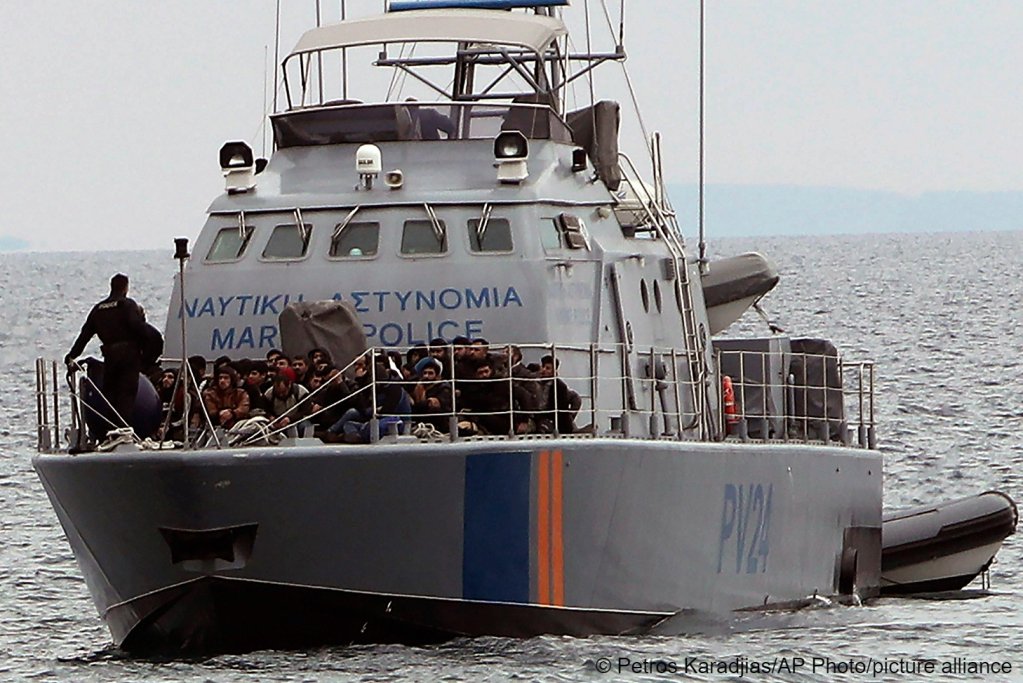
According to the court, after those on board had told the interpreter they wished to apply for the asylum, the interpreter answered that there was "a new law in Cyprus under which refugees were not allowed to disembark." Their identity cards were also taken from them.
On the evening of September 7, 2020, the ECHR received an application from the lawyer representing M.A. and Z.R., requesting interim measures to stop the Cypriot authorities from sending the boat back to Lebanon, saying it was contrary to international refugee law, because of the risk of refoulement to Syria.
Read AlsoCyprus spearheads EU-Lebanon plans for migration deal
Applicants claim they were 'tricked'
However, on September 8, M.A. and Z.R. said they were "tricked into thinking they would be led ashore," and instead were "forced onto another boat which contained police officers and other migrants who had also tried to enter Cyprus by boat and were also being returned to Lebanon."
The Cypriot authorities disputed the fact that the two asked for asylum. They said the men had already spent four years in a refugee camp in Lebanon and had not expressed a wish to apply for asylum. The Cypriot authorities also told the court that those returned were sent under a bilateral agreement Cyprus made with Lebanon, which means that Cyprus was allowed to return anyone entering Cyprus "unlawfully" or "without any formality."
The court argued, however, that this agreement did not absolve Cyprus of its obligations as a signatory to the Convention on Human Rights, especially given the economic and social situation in Lebanon, which meant that it was finding it difficult to cope with around 1.5 million refugees living on its territory, some for decades.
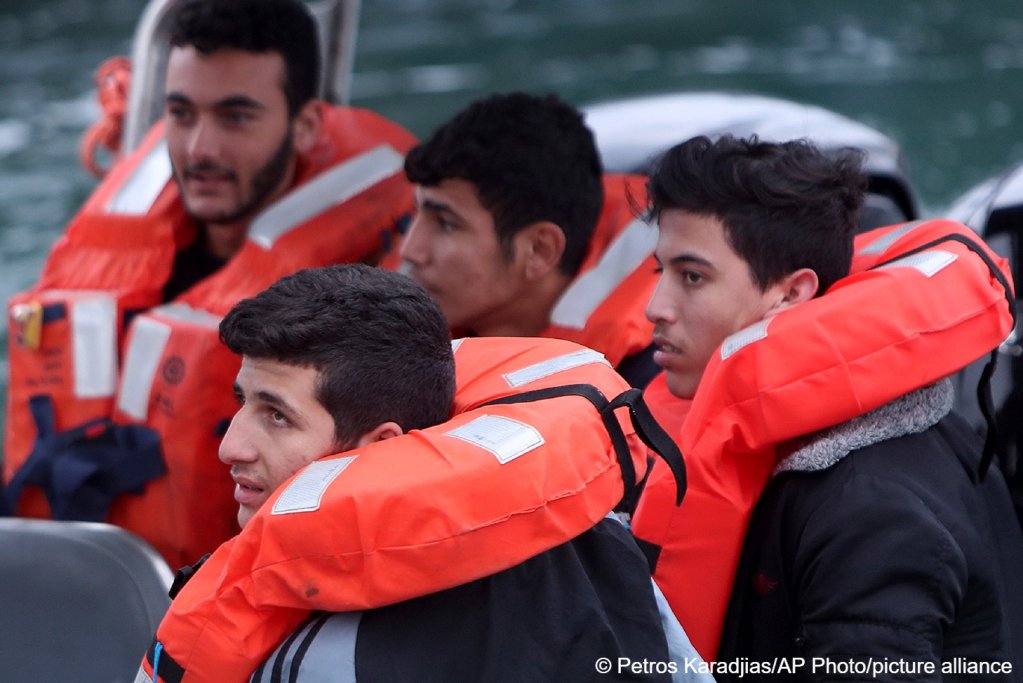
The court ordered Cyprus to pay each applicant 22,000 euros in damages, as well as 4,700 euros in costs and expenses.
Cyprus says investigations into events 'ongoing'
Cyprus’ ministry of migration and international protection told the AP news agency in an email that the circumstances surrounding the events were still under investigation. "It should be stressed that the naval patrols that commenced in April 2024 are being carried out in conformity with international and European law, while no human lives have been put in danger," it stated.
The email statement added that there had been "no search and rescue incident involving irregular migrants at sea" since April this year.
In fact, the numbers of migrants arriving in the internationally recognized south of the island, a member of the EU, has dropped considerably in recent months. Cyprus puts this down to a tougher approach, including patrols and border controls on the land border with the Turkish-backed northern part of the island, which is only recognized by Turkey.
This latest ruling comes just a few months after the UN accused Cyprus of rounding up "dozens of migrants" who were attempting to cross from the Turkish part of the island to seek asylum, and pushed them back into the UN-operated buffer zone that separates the divided island, following conflict in 1974.
Read AlsoCyprus and seven other EU states call for more returns of Syrian refugees
EU-Lebanon deal to manage migration
The organization Human Rights Watch said in September that European aid being sent to Lebanon to help manage migration, under a deal that Cyprus helped broker, was allegedly funding practices that violate human rights.
Currently M.A. and Z.R. remain in Lebanon, where they are both registered with the UNHCR. The court says their residence permits have expired and they have not been able to renew them, as their documents were withheld by the Lebanese General Security Office when they returned to Lebanon. They have no sponsor and no means to pay for their documents' renewal.
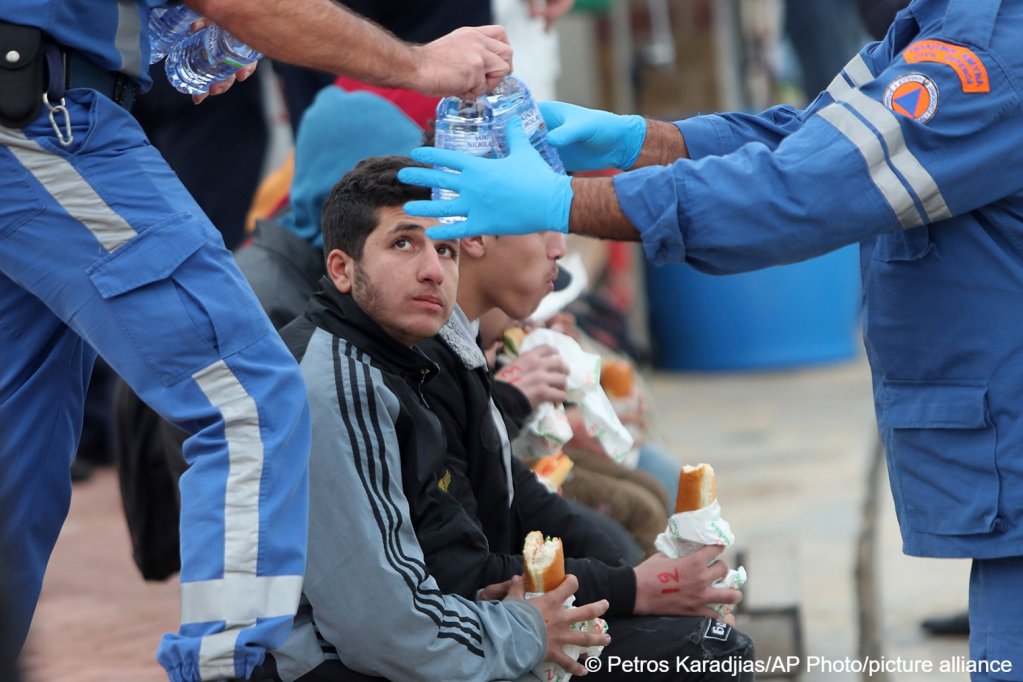
The court noted that although M.A. and Z.R. could not prove with "direct evidence" that they had expressed a wish to seek asylum, the court could not ignore "that they had been stranded at sea for two days under the control of the Cypriot Marine Police and had not been allowed to disembark to claim asylum."
The UNHCR in Cyprus confirmed that, since it had no access to those on board the boats during the relevant period, it could not verify that the passengers had indeed asked for asylum.
The court also found "inconsistencies" between the arrival and interception dates given by the government. It added that documents provided by Cyprus showed no record of the boat M.A. and Z.R. were on. The government also did not provide "any records or direct evidence of any interactions with M.A. and Z.R."
In its judgment, the court said it also took note of various reports coming from civil society and international organizations concerning allegations of pushbacks and summary returns to Lebanon of individuals. Particular note was taken of the HRW report about conditions in Lebanon.
With AP and AFP