
Morocco's interior ministry announced that it has prevented more than 45,000 migrants from reaching the EU so far this year. The North African country has reportedly faced increased "migratory pressure" due to combined political and climate distress in the Sahel region.
The Moroccan Interior Ministry announced that it has stopped over 45,000 people from entering Europe irregularly in 2024, the news agency Reuters reported on Saturday (September 7) citing Morocco's state news agency MAP.
The Moroccan authorities also reported that they had arrested 177 migrant trafficking gangs and rescued more than 10,800 people at sea this year.
While no comparative figures from the same period in the previous year were given, the Moroccan government reported that it had prevented over 75,000 people from entering Europe in 2023.
Morocco, located at the northern tip of Africa, reported that it has faced an "increase in migratory pressure" due to the political instability in the Sahel region. Countries in western and north-central Africa extending from Senegal eastward to Sudan are collectively known as the Sahel region.
Political unrest and climate distress in the Sahel have led to a worsening food crisis and conflict. The Geneva-based REACH Resource Center reported that about 90 percent of households in the Sahel countries of Mali, Niger, and Burkina Faso do not have access to water and healthcare.
Disruptions in the global supply chain for grain due to the war in Ukraine have reportedly worsened the food insecurity situation, compelling more people to flee the region and move north.
Also read: Worsening Sahel crisis pushes civilians to flee to north
On August 25, around 1,500 people attempted to swim through thick fog from Morocco to Spain’s Ceuta. Border police reportedly intercept an average of 700 people attempting to cross this route into Europe.
Moroccan nationals intercepted during crossings are immediately sent back unless they are underage or seeking asylum. Migrants from other countries are taken to shelters and released after a few days.
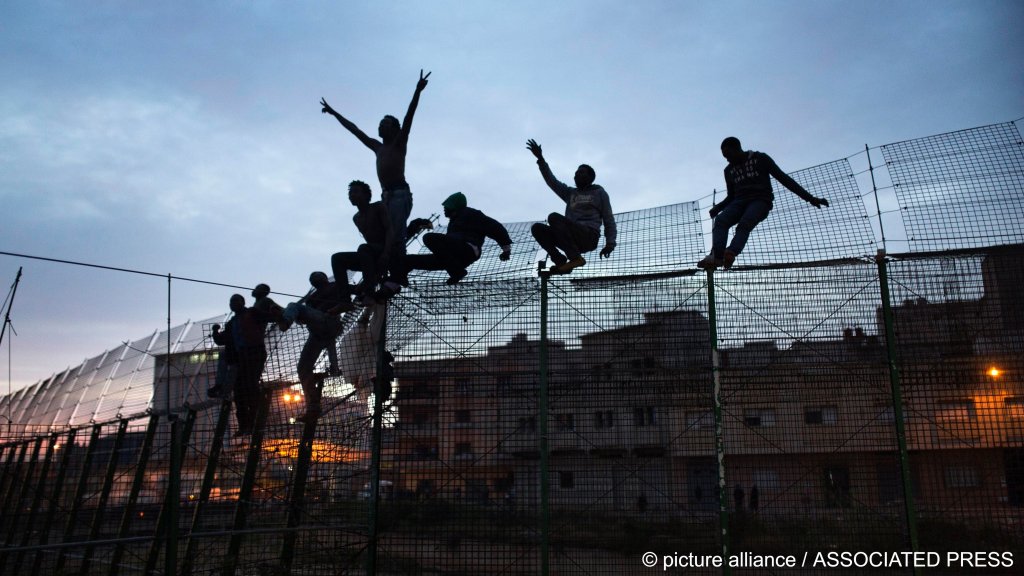
Ceuta and Melilla, separated by land borders of 8 and 12 kilometers respectively, are the European Union's (EU) only land borders with Africa. People often attempt to cross fence barriers to enter into EU territory.
Also read: Up to 1,500 migrants swim to Spain's Ceuta enclave from Morocco
Funded border control
Last year, Spain and Morocco entered into various migration cooperation agreements to curb irregular movement from Morocco into Europe.
Additionally, the European Union also announced a 624 million euro cooperation agreement with Morocco in March. Of that amount, 152 million euros was allocated for strengthening Morocco's border management, combating smuggling networks, supporting its National Strategy on Immigration and Asylum, and facilitating the voluntary return and reintegration of migrants.
Moroccans also want to leave
According to research by the thinktank Mixed Migration Data, Moroccans and Algerians led the rise in Western Mediterranean arrivals to Spain in 2024, with 2,229 Moroccans and 1,877 Algerians arriving between January and April -- a 44 percent and 67 percent increase from the same period in 2023.
Meanwhile, a public opinion, survey conducted by Arab Barometer found that 35 percent of Moroccans are considering leaving the country, with more than half willing to migrate without proper visas. The survey conducted among 2,400 participants also revealed their desired destinations to include the U.S. (26 percent), France and Canada (23 percent each), and Italy, Spain, or Germany (around 20 percent each).
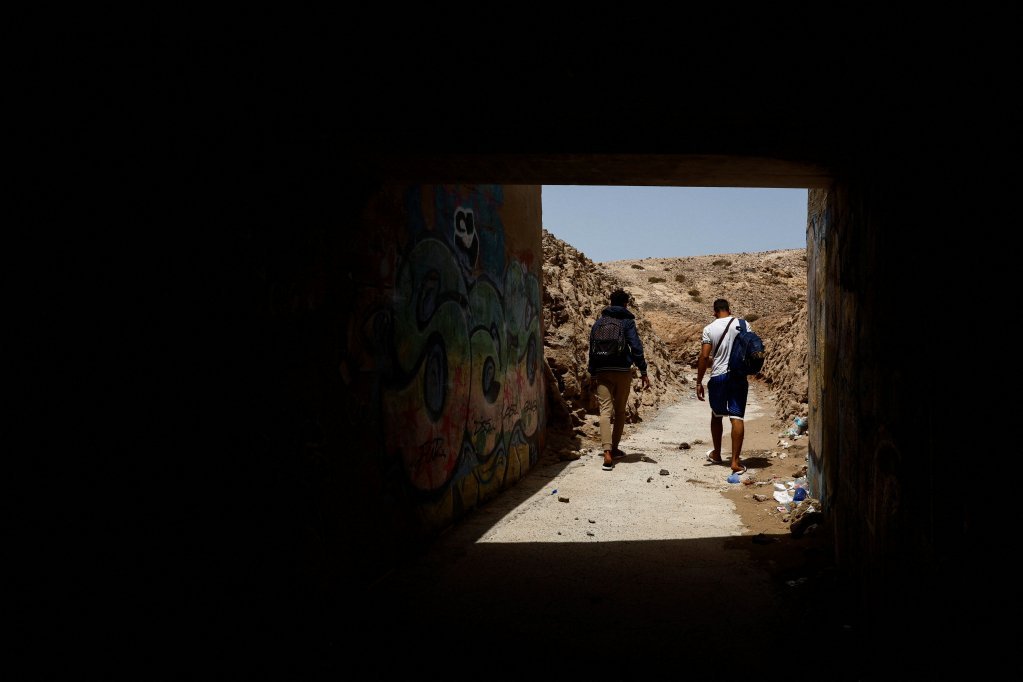
Young people aged 18 to 29 and the poor were the most likely to express a desire to migrate, with 45 percent citing economic reasons.
Despite a strong economy, compared to its other African neighbors, Morocco continues to struggle with the economic fallout from the COVID-19 pandemic and a 2023 earthquake that killed 3,000 people and left 15,000 homeless.
Also read: A third of Moroccans want to migrate, according to a recent survey