
The UK government has announced yet another set of measures to tackle irregular migration. Over the next six months, it aims to achieve the highest rate of deportations in five years, targeting individuals with no legal right to remain, including failed asylum seekers, with a goal of returning to 2018 levels.
UK Prime Minister Keir Starmer’s government plans to immediately recruit 100 specialist intelligence officers and expand its immigration detention network, the UK Home Office announced on Wednesday (August 19).
These efforts are part of the UK's strategy to increase the deportation of failed asylum seekers, with the goal of returning to 2018 levels. There were 9,474 enforced returns from the UK in 2018, according to figures from the Home Office.
The intelligence officers are expected to join the National Crime Agency (NCA) to help "disrupt and smash criminal smuggling gangs,” and prevent “dangerous” small boat crossings in the English Channel, the Home Office said in a statement.
Home Secretary Yvette Cooper declared that the government is "taking strong and clear steps to boost our border security and ensure the rules are respected and enforced."
"By increasing enforcement capabilities and returns, we will establish a system that is better controlled and managed," she said, adding that the government planned to achieve the highest rate of removals of those with "no right to be here, including failed asylum seekers," in the next six months.
Fast-tracking review of arrivals from countries deemed 'safe'
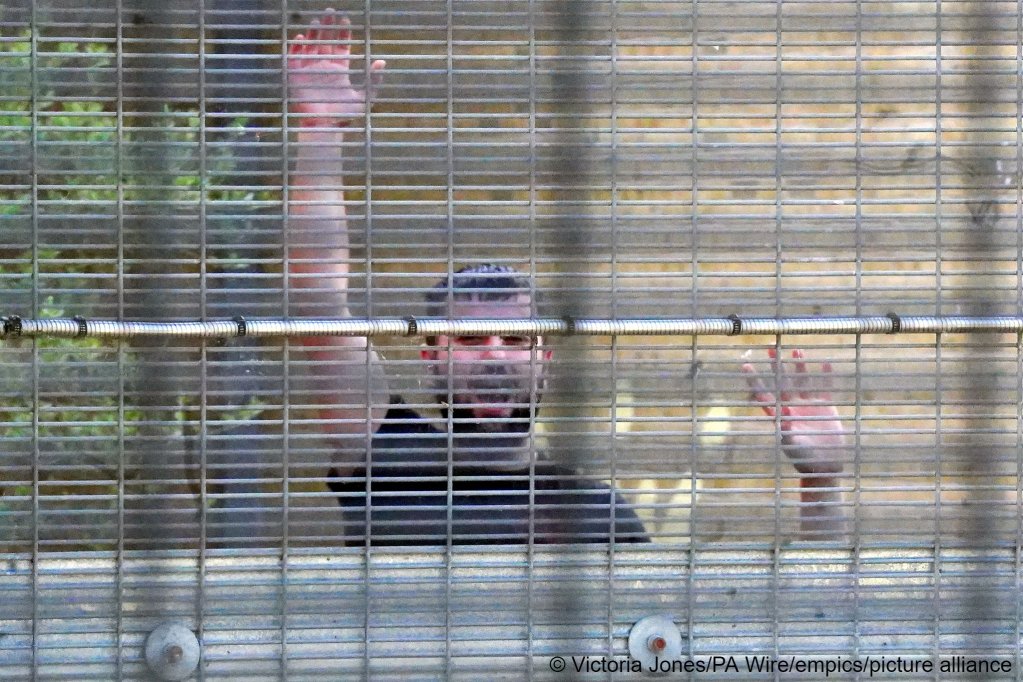
Additionally, the government plans to increase bed capacity by 290 at two Immigration Removal Centres -- Campsfield near Oxford and Haslar in Hampshire -- as part of a broader initiative to improve both enforced and voluntary returns of rejected asylum applicants.
Starmer had announced plans to boost deportation efforts by creating a "returns unit" within the Home Office, consisting of 1,000 new staff. This unit would prioritize fast-tracking the review of individuals arriving from "safe" countries such as Albania and India, ensuring they can be promptly returned. Additionally, the unit would focus on processing cases of those whose asylum claims have already been denied, accelerating their removal from the UK.
The ruling Labour party has previously stated it would pursue bilateral agreements to return migrants to countries considered safe, such as Vietnam, Turkey, and Kurdistan. The government also said it would work towards establishing a new returns agreement with the EU.
Also read: Dina's dreams lie in tatters after fatal Channel crossing attempt
Government to crack down on employers who hire irregular migrants
Moreover, the Home Office said it plans to intensify efforts against companies and individuals employing irregular migrants through measures such as financial penalties, business closure orders, and potential prosecution.
"A new intelligence-driven illegal working programme will be rolled out to target, investigate and take down unscrupulous employers who illegally employ those with no right to work here," the Home Office said in its statement.
These strengthened measures build on the 50 percent increase in NCA officers already stationed at Europol, the EU's law enforcement agency. The officers have been mobilized to support European efforts in disrupting criminal smuggling gangs "making millions out of small boat crossings."
An Ipsos poll published on August 16 revealed that Britons view immigration as the biggest issue facing Britain. Thirty-four percent of Britons name immigration as an important issue for the country, making it the biggest issue for the first time since October 2016. The proportion of Britons who see race relations as a big concern has also rose sharply; 11 percent say it is an important issue -- the highest score since June 2020, following the murder of George Floyd in the US. Concern is higher among those from ethnic minority backgrounds (26 percent) and younger people (19 percent among 18-24-year-olds), according to the Ipsos report.
Far-right, anti-migration riots have swept over Britain in the past weeks, prompting the closure of some migrant support centers. Rioters set fire and broke into hotels used to accommodate asylum seekers in northern England earlier in August, stoking fear among the country's migrant community.