
Scores of people attempting to enter Europe through Cyprus are routinely left trapped and stranded in the area known as the Green Line, the UN-controlled buffer zone that divides Cyprus into northern and southern regions.
Asylum seekers stranded in Cyprus allege that police forced them into this no-man's land on the southern part of the island, news agency Agence France Press reported Tuesday (July 30).
According to the UN Refugee Agency (UNHCR), a total of 59 asylum seekers from countries including Iran, Afghanistan, and Nigeria are living in the divided buffer zone, the area that divides Cyprus into two: the internationally recognized Republic of Cyprus and the breakaway Turkish Republic of Northern Cyprus (TRNC).
The asylum seekers reportedly attempted to cross southwards to the part of Cyprus that is under the European Union to enter Europe but were pushed back by police.
One migrant shared that he and his wife and daughter flew from Iran to Istanbul to the TRNC. When he tried to cross the UN buffer zone into Cyprus, they were arrested by the police and left to languish in this area.
In a statement, the Republic of Cyprus' migration ministry said: "Since these people traveled through Turkey to the occupied areas (TRNC), it is Turkey's responsibility to provide them access to asylum procedures."
Also read: UN urges Cyprus to start asylum process for migrants in buffer zone
Tightened security along the green line
Scores of people attempting to enter Europe through Cyprus are routinely left trapped and stranded in the area known as the Green Line which is also called the buffer zone controlled by the UN. The area extends about 180 kilometers across the island, dividing the country into northern and southern regions.
The northern part of the island is controlled by Turkey while the southern Greek-speaking Republic of Cyprus is part of the European Union. People looking to seek international protection hope to cross the EU part of Cyprus but are caught between borders and politics.
Last month, 27 people, reportedly from Afghanistan, Cameroon, Sudan and Iran, were stuck in the neutral area between north and south of Cyprus for over a week. Women and children reportedly comprised half of the group.
The UN has been calling on Cyprus to allow asylum seekers trapped in the UN buffer zone to apply for international protection. The UN call made last month was rebuffed with Cypriot authorities reportedly saying that they they would not permit the group to enter and allow the Turkish-backed north to become a "back door" for smugglers.
Also read: Cyprus: Migrants stranded in UN buffer zone
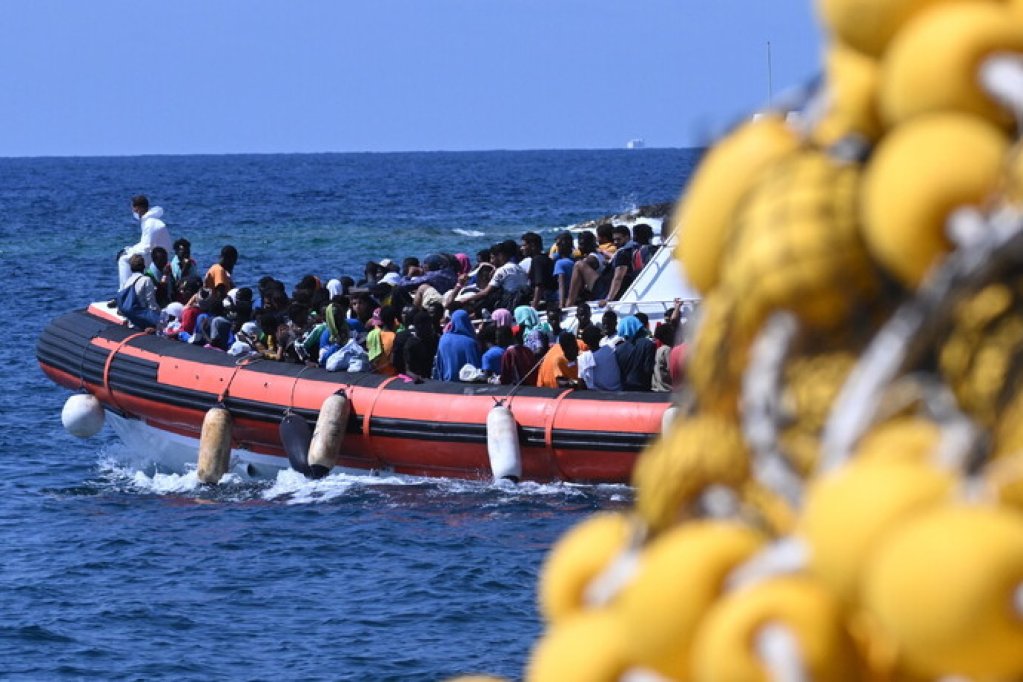
In April, the Cypriot government announced that it is working on an agreement between Lebanon and the EU to manage the number of departures from Lebanon. Because of its location in the eastern Mediterranean and its proximity to the Middle East, Cyprus receives most of the migrants leaving Lebanon and Syria.
According to UNHCR data, irregular arrivals into Cyprus from January to May this year numbered over 4,300. About 64 percent arrived by land from mostly Syria and Iran.
with AFP
Also read: Cyprus spearheads EU-Lebanon plans for migration deal