
Uyghur refugees in Turkey are facing increased surveillance and detention, leading to concerns among the diaspora and rights groups.
Uyghur refugees, a predominantly Muslim Turkic ethnic group native to Xinjiang, China, are allegedly facing increased surveillance and detention in Turkey.
Voice of America, the US' international broadcaster, reported that there has been a pattern of increasing detention affecting the Uyghur community in the country. At least a dozen Uyghur refugees have been detained in recent weeks, leading to fears and instability among the Uyghur diaspora.
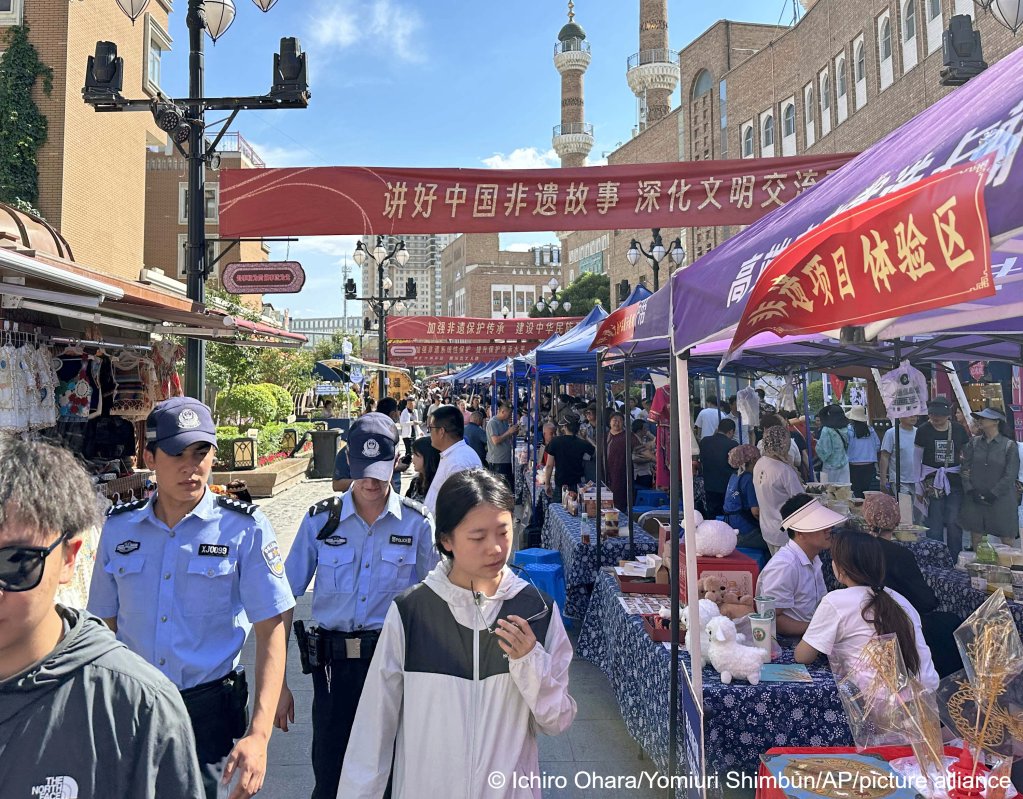
Turkey has one of the largest Uyghur diaspora communities outside of China, with a population estimated to be between 50,000 and 75,000. Since 2014, human rights organizations, including Human Rights Watch, have accused China of subjecting Uyghurs to persecution within China, leading many to attempt to flee the country.
The reported wave of detentions in Turkey coincides with a recent visit by Turkish Foreign Minister Hakan Fidan to Xinjiang in June. When there, Fidan expressed Turkey's support for China's "anti-terrorism efforts."
China justifies some of its actions against the Uyghur community, saying they have to root out terrorism and dissent in the country.
Critics argue that cooperation between the two states has resulted in harsher measures against Uyghurs in Turkey. Memettohti Atawulla, a senior project manager at the Washington-based Center for Uyghur Studies, told Voice of America that this diplomatic stance may have contributed to the increased arrests.
Turkey, China’s third-largest trading partner, is looking to balance its economic interests with human rights advocacy by encouraging increased trade, investment, and tourism.
Turkey as a refuge for Uyghurs
Turkey has historically been a refuge for Uyghurs fleeing Chinese repression. However, a report published last year by Spain-based human rights group Safeguard Defenders stated that in recent years Turkey has been "losing its reputation as a safe haven" for Uyghurs as it "closely aligns itself with Beijing economically and politically."
The Uyghurs, primarily Sunni Muslims, are the largest ethnic group in Xinjiang, northwest China. The Chinese government claims the Xinjiang crackdown is essential to combat terrorism and Islamist extremism. Following 9/11, it framed its actions against Uyghurs as part of the Global War on Terrorism, aiming to eliminate what it calls "the three evils"—separatism, religious extremism, and international terrorism.
Since 2017, over one million Uyghurs and other Muslim minorities have been detained in what China refers to as "re-education camps," which Western organizations describe as centers of widespread human rights abuses. China maintains that these facilities are "vocational training centers" aimed at combating extremism.

In February 2024, China implemented revised regulations in Xinjiang aimed at tightening control over the religious practices of Uyghurs. The revisions focus on "Sinicizing" religion to align with Chinese Communist Party ideology. The new regulations enforce strict controls on religious education, places of worship, and require religious teachings to promote socialist values.
These regulations are part of a broader campaign of repression against Uyghurs, involving mass arbitrary detention, torture, forced labor, and cultural persecution, which Human Rights Watch and the UN have condemned as potential crimes against humanity.
In the same month, Turkish authorities detained six individuals suspected of spying on Uyghurs in Turkey for China's intelligence service. This incident would appear to underscore the extent of Chinese surveillance and intimidation efforts beyond its border.
China rejects Western calls for human-rights reforms
There has been growing international criticizm of China's treatment of the Uyghur minority in the West. On June 27, a London court ruled that British authorities must reconsider opening an investigation into the import of cotton from Xinjiang, which is allegedly produced using slave labor. The decision came after the World Uyghur Congress, representing exiled Uyghur groups, appealed against the National Crime Agency's (NCA) decision not to initiate a criminal investigation.
Although the European Union is seeking to implement a new law targeting goods produced with forced labor, it may not explicitly target Xinjiang or have the same stringent requirements as US legislation, which has already banned imports from the region. The EU’s lag in adopting stricter measures reflects a broader challenge the bloc faces in balancing human rights concerns with economic interests, particularly when it comes to China.
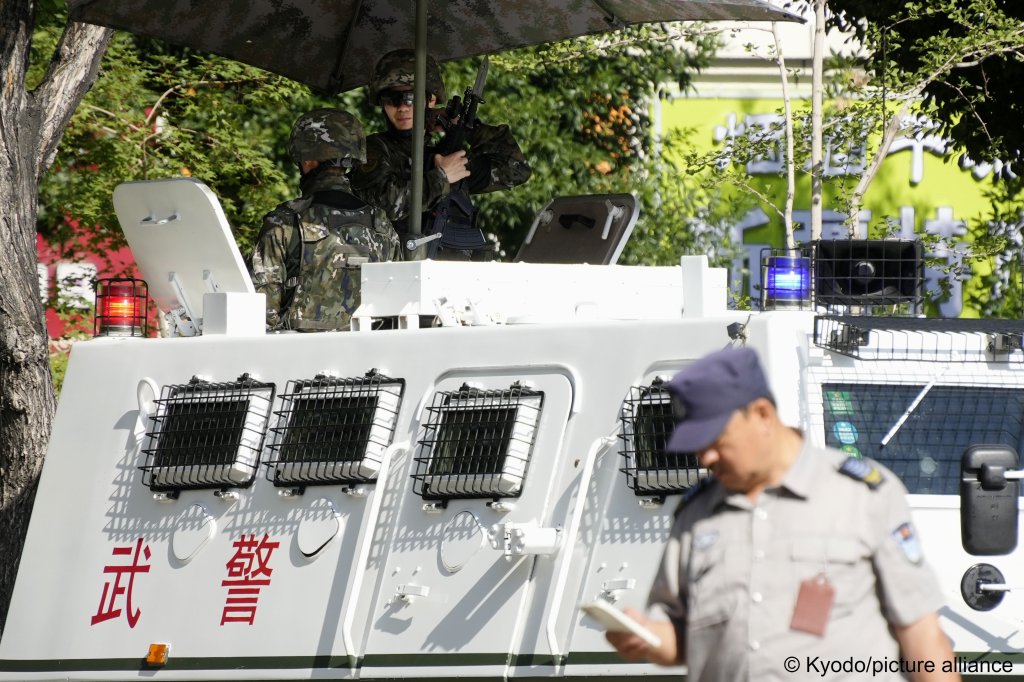
Earlier this month, at a UN Human Rights Council session in Geneva, China rejected Western-led recommendations for human-rights reforms, including greater freedoms for Hong Kong and Uyghurs in Xinjiang. Despite this, China accepted nearly 70 percent of the more than 400 recommendations, mainly from allied countries.
Chinese Ambassador Chen Xu dismissed the recommendations as "politically motivated based on disinformation, ideologically biased or interfering in China's traditional sovereignty" and described it as a "smear and attack". Critics, including US and British ambassadors, expressed disappointment, although allies like Russia and Gambia praised China's efforts.
Allegations of intimidation and harassment
Many Uyghurs have faced persecution on foreign soil, not just in Turkey but also in the US and in EU countries. In France, the European Uyghur Institute (IODE) filed a legal complaint earlier this year, alleging that the Chinese state engages in intimidation and harassment against the Uyghur community there. These actions reportedly intensified during Chinese President Xi Jinping's visit to France in May 2024, which was intended to celebrate 60 years of diplomatic relations with France.
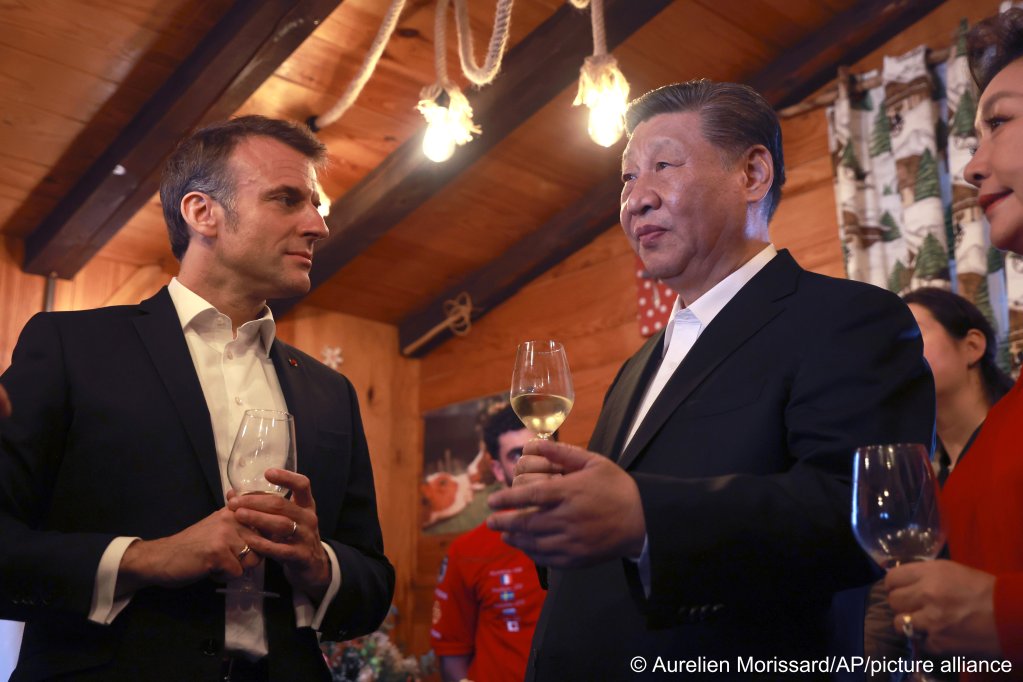
During Xi’s visit, instances of harassment included the disruption of a Uyghur theater performance and an attempted kidnapping of a Uyghur refugee, Gulbahar Jalilova. French newspaper Le Monde reported that France’s internal security service identified "Chinese state agents belonging to the security services in… a failed 'intimidation action' on May 8 against a political refugee of Uyghur background."
In a post on its website, the Chinese embassy responded by dismissing the reports as "fake news," "riddled with errors" and "obvious falsifications."
These international incidents, say critics of China, appear to reflect China's extensive efforts to monitor and repress Uyghur communities abroad.