
The German government confirmed on Monday it intends to continue paying welfare support to Ukrainians in Germany, who have fled their country due to the war with Russia.
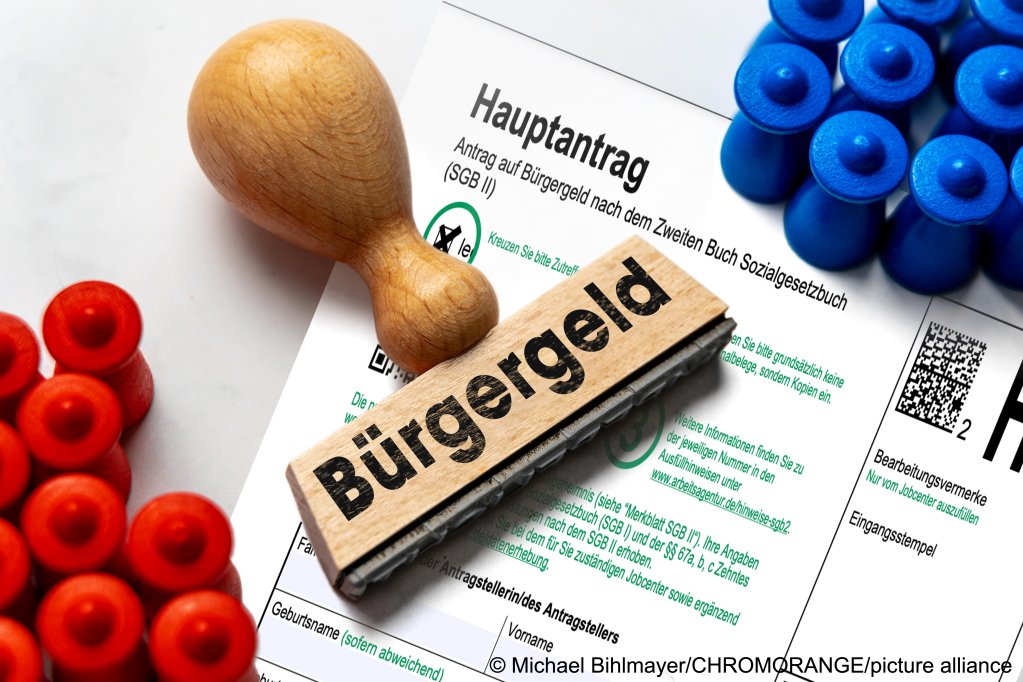
On Monday (June 17), the German government rejected a proposal by the ruling Liberal FDP party to cease paying welfare support, known as Bürgergeld (citizen’s money), to Ukrainian citizens who have fled their country to stay in Germany while their homeland fights a war with Russia.
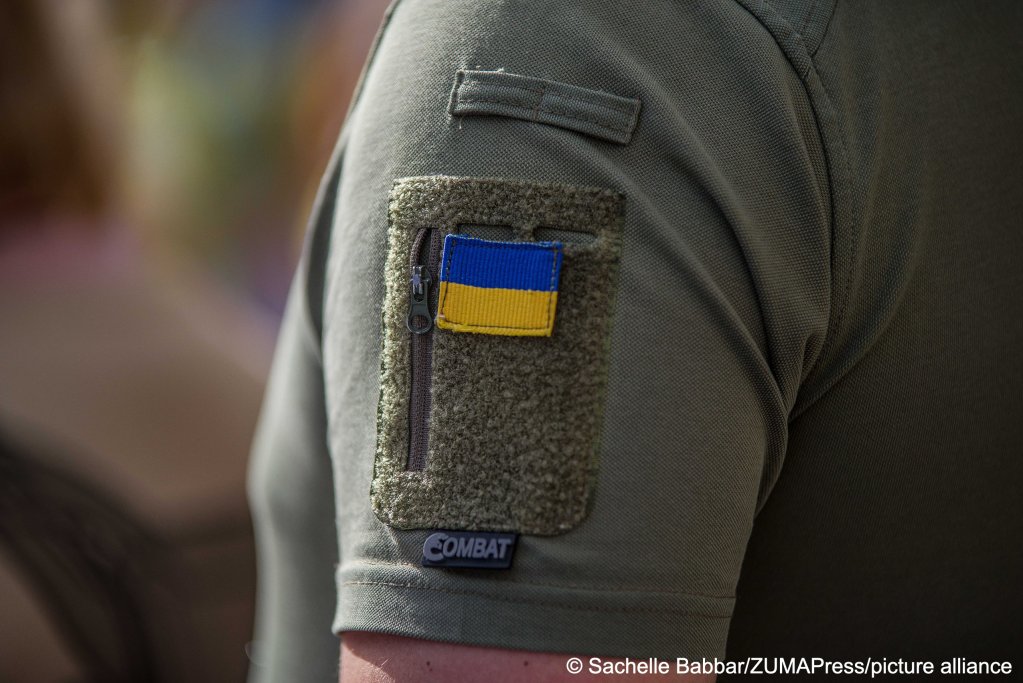
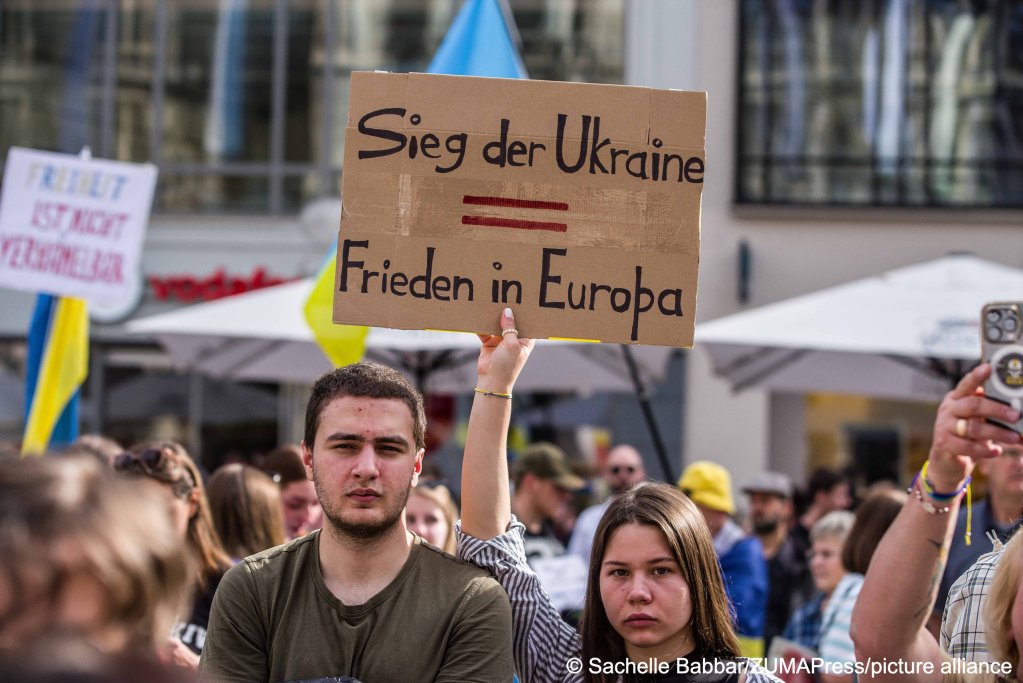
Ukrainians who have fled their country have a special status right across the EU which differs from other asylum seekers and refugees. They are allowed to work as soon as they arrive, and are also entitled to the same welfare support as EU citizens should they need it.
Lastly, they are allowed to come and go across the EU and return to their country as they want. Most other refugees cannot return to their home country, since they are being offered protection on the basis that they would be in danger if they returned to their home country.
Ukrainians on the other hand have fled the Russian aggressor, and might be in danger of bombs if they return to Ukraine, but they are not at risk of attacks from their own government.
FDP proposes treating Ukrainians like all other asylum seekers
Up until now, they have been eligible for benefits offered to German and EU citizens in need of welfare. But the Liberal FDP party, part of the ruling coalition and in charge of the finance ministry through its leader Christian Lindner, had hoped to reduce government spending by offering newly arrived Ukrainian refugees the same benefits that other asylum seekers get, and not the same as German citizens who may have paid into the German welfare system for years before needing welfare support.
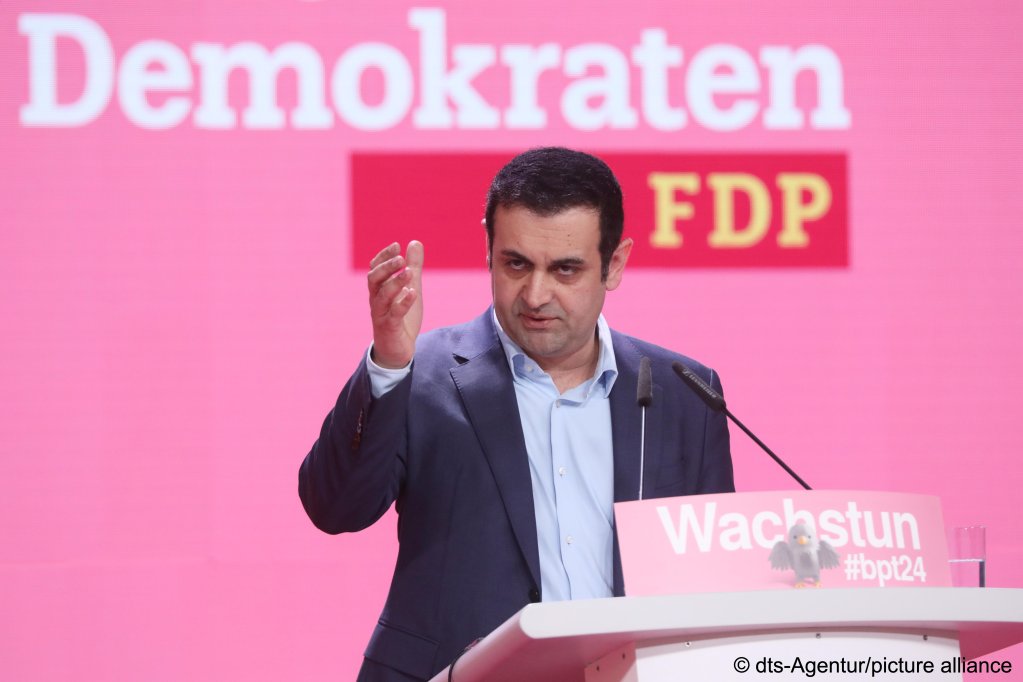
At the weekend, FDP General Secretary Bijan Dijr-Sarai told the German tabloid Bild that in his party’s opinion, "newly arrived war refugees from the Ukraine should cease to receive Bürgergeld and should just be covered by the normal asylum provisions."
Also read: EU election, immigration top concern in Germany
Suggestions like this have also been welcomed by some asylum seekers who don’t come from the Ukraine. Anecdotally, there is resentment from some that Ukrainian refugees are being treated differently from those fleeing war and other dangers in other countries.
Djir-Sarai said his proposal aimed to encourage more Ukrainians to enter the job market and help fill a large number of vacancies, particularly in sectors like gastronomy, construction, and the care industry.
'We should not be financing unemployed people with tax-payers money'
"We should not be financing unemployed people with tax-payers money," Dijr-Sarai told Bild. "Instead, we should make sure these people get to work."
The FDP was not the only party to float this proposal. In the past, both conservative sister parties CDU and CSU have also said that Bürgergeld should not be paid to Ukrainian men who have fled their country but are of an age to be called up to fight.
"It just doesn’t tally," Michael Stübgen (CDU), interior minister for the German state of Brandenburg, told the RND radio network, "that we are spending time talking about how best to support Ukraine and then in the same breath we are giving money out to Ukrainian men who are escaping the draft." The opposition politician called on the government to "change course," regarding its Ukrainian finance policy.
His colleague Joachim Herrmann (CSU), interior minister for the state of Bavaria, said similar things and intends to raise the issue at the State Interior Ministers’ conference on Wednesday, reported Tageschau.
"Tens of thousands of men, who should be responding to the draft in Ukraine, are receiving welfare support here in Germany," said Herrmann. "We just can’t justify that for much longer to German citizens."
Arguments pro and contra
Those who have argued for putting all asylum seekers, regardless of nationality, on the same footing also point to the fact that if Ukrainians were included as asylum seekers under German law, then it would also be easier to find emergency accommodation for them.
However, the government rejected the proposal. A spokesperson for the government, Steffen Hebestreit, said that Ukrainians should continue to be eligible for the same welfare support as Germans.
The Green party, also part of the ruling coalition, had rejected the proposal outright. Co-chairperson Omid Nouripour said that he thought that everyone in the coalition was "ready to work together to solve this."
Nouripour added that "If we are serious about creating a 'Job-Turbo' (accelerating access to the job market to fill the many vacancies) then it is not helpful to start pushing more people under the asylum laws, where they can’t work immediately. That will not increase fast access to the job market, so it is not a useful suggestion in terms of our aims [to fill vacancies]."
Speeding up integration in job market
The rules surrounding Bürgergeld mean that those who receive welfare support are also expected to look for and apply for jobs to try and get back to work as soon as their situation allows.
The employment ministry (Bundesarbeitsministerium) said that keeping Ukrainian refugees on the German welfare support would enable the ministry to deploy tools to speed up their integration into the job market.
A spokesperson for the ruling Social Democratic SPD party, Martin Rosemann, explained that the idea that giving Ukrainians Bürgergeld was preventing them from entering the job market was "false."
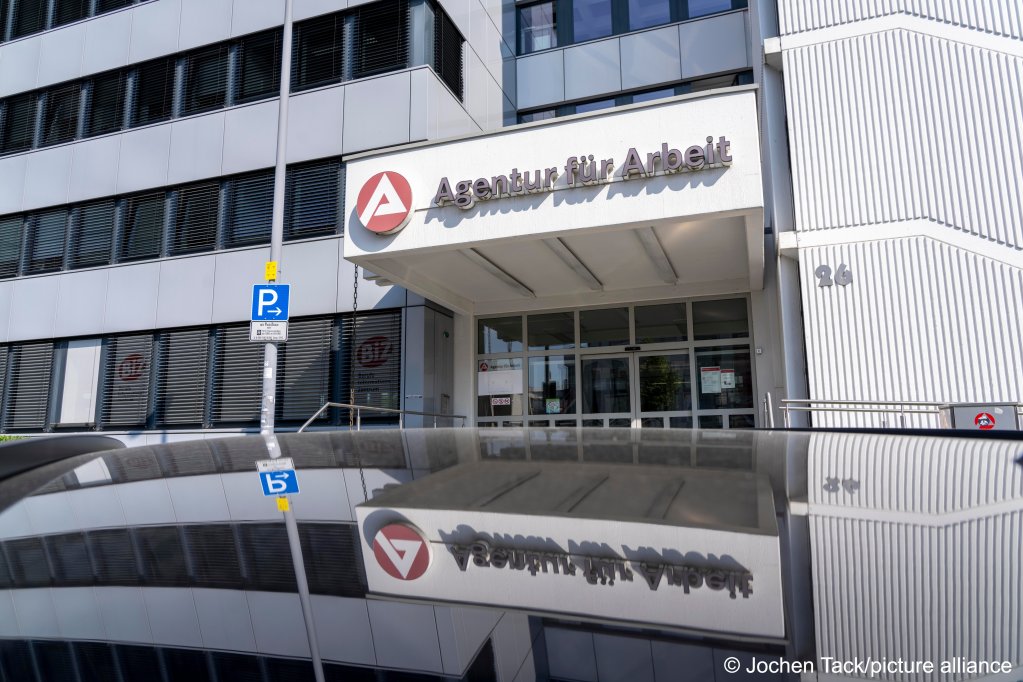
Rosemann said that it was actually through the Bürgergeld that German job centers were able to support Ukrainians to enter the job market, reported the German state broadcaster ARD’s news program Tageschau.
Offical figures from April this year showed that around 160,000 Ukrainians are now working in Germany. According to Statista figures from March 2024, an estimated 1.13 million Ukrainians are living in Germany. This total includes children and pensioners, who are not eligible to work.
Also read: Germany, asylum seekers and welfare, a pull factor?
Protection status also extended to 2026
Along with the announcement on funding, the German government also confirmed that Ukrainians would retain their protection status until at least March 2026 in Germany.
This means that Ukrainians do not have to apply for asylum like other people fleeing their country, but are automatically granted special protection.
The proposal to continue with paying Bürgergeld to Ukrainians is due to be discussed at Wednesday’s Interior Ministers conference.
Also read: No significant deterrent effect in German migration policy changes