
According to a confidential UN briefing seen by the news agency Reuters, Tunisian border guards rounded up migrants and passed them to counterparts in Libya, where the migrants allegedly faced forced labor, extortion, torture and killing.
Hundreds of migrants were rounded up in Tunisia and sent to Libya, where they were kept in "abhorrent" conditions, according to a confidential UN briefing dated January 23 and seen by the news agency Reuters, the agency reported on June 11.
Although the briefing took place in January, Libyan human rights expert Tarek Lamioun told Reuters that he suspects transfers have continued as recently as early May this year.
Lamioun told Reuters he estimates that at least 2,000 migrants have been detained by Tunisian authorities and passed to Libya in 2024, citing information he collected in interviews conducted with more than 30 migrants.
Also read: Tunisia, mass expulsions and abuse of migrants continues
The UN briefing, which has not previously been reported, was shared with diplomats in the region, Reuters reports. The agency has not managed to independently verify accounts of abuse contained within it.
'Collective expulsions'
"Collective expulsions from Tunisia to Libya and the associated arbitrary detention of migrants are fueling extortion rackets and cycles of abuse, which are already widespread human rights issues in Libya," officials at the UN briefing reportedly said.
They went on to allege that Libyan officials demand "thousands of dollars in exchange for releasing some migrants."
The situation, stated the report, "serves the interest of those who prey on the vulnerable, including human traffickers."
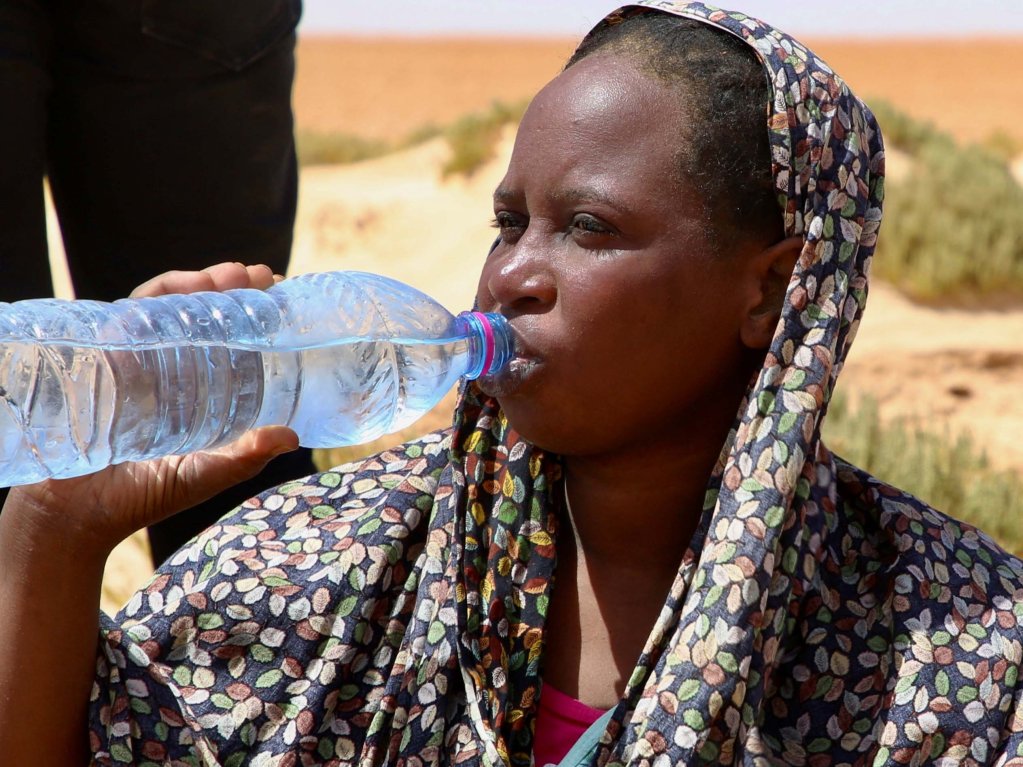
According to the briefing, Tunisian border officials allegedly coordinated with Libyan counterparts to transfer migrants to the al-Assa and Nalout detention centers in Libya.
Also read: EU pledges aid to Egypt as it seeks to curb migration
Once there, the migrants would be held for "varying periods" ranging from "a few days to several weeks," before finally being transferred to the Bir al-Ghanam detention facility closer to Tripoli.
The facilities there are managed by Libya’s Department to Combat Illegal Migration and the Libyan coast guard, both of which have been found in the past to have been complicit in abuse of migrant.
The UN briefing stated that their officials had been "continuously denied access to the locations," where the migrants were allegedly held.
Migrants who spoke to the UN officials who compiled the briefing were reportedly Palestinian, Syrian, Sudanese and South Sudanese. The officials said it was hardest to get information from nationals from sub-Saharan African countries, since they were often deported and communication with them was deemed to be "more complicated."
Also read: UK strikes 1 million deal with Libya, as it seeks to curb arrivals across Mediterranean
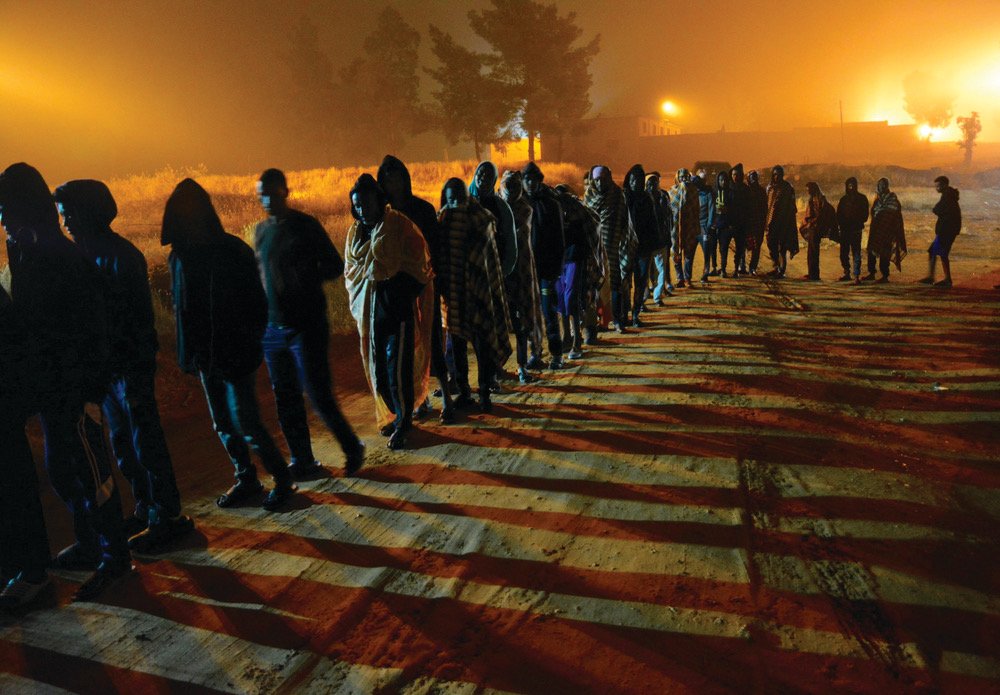
Officials said in the briefing that three of the migrants interviewed had scars and signs of torture, adding that "hundreds of detainees have been crammed into hangars and cells, often with one functional toilet, and no sanitation or ventilation."
Extortion
In order to be released from the Bir al-Ghana center, officials allegedly extorted sums between 2,500 and 4,000 dollars (between 2,300 and 3,700 euros) from migrants, depending on their nationality and what they were thought to be able to pay, according to the reported briefing,
Also read: EU must reassess cooperation with Tunisia over allegations of abuse of migrants
Witnesses interviewed by the UN said that at the al-Assa facility, one Sudanese man was allegedly burned alive by border guards and another detainee shot for "unknown reasons." Some of the detainees were able to identify alleged traffickers among the border guards working there.
A spokesperson to the UN mission in Libya declined when asked by Reuters for comment.
However, on April 16, Libya's then-top UN official, Abdoulaye Bathily, admitted he was "deeply concerned about the dire situation of migrants and refugees in Libya who endure human rights violations throughout the migration process."
Crossings have declined this year
The number of migrants crossing from North African countries like Tunisia and Libya toward Italy and Europe has declined this year compared to the same period in 2023.
Italy’s Prime Minister Giorgia Meloni has attributed this reduction "above all" to help from Tunisia and Libya, reported Reuters.
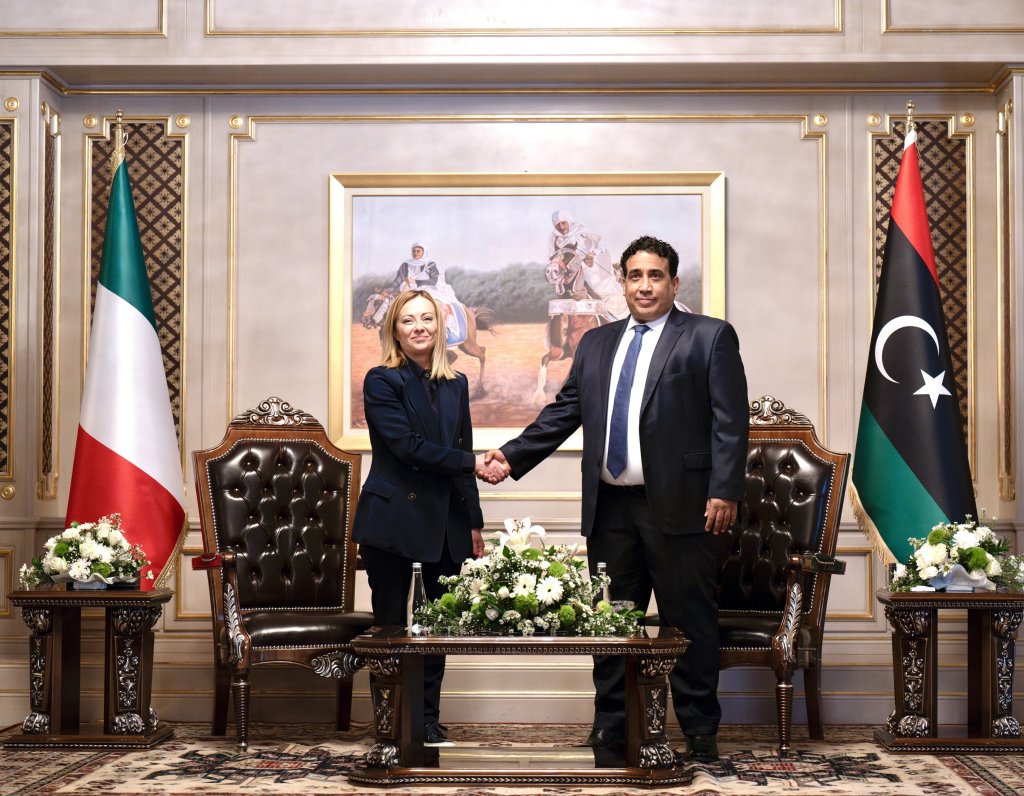
Organizations that work with migrants in Europe say that EU policies of providing aid and development funding to countries like Libya and Tunisia in return for help managing migration to Europe can lead to abuse, and fail to address the underlying issues behind irregular migration to the bloc.
Also read: MSF ends activities in Libyan detention centers
Although Tunisia has repeatedly denied allegations of pushbacks, in May, the country’s President Kais Saied said that with hundreds of migrants arriving daily in Tunisia, his country was coordinating returns with its neighbors, reported Reuters.
The Libyan authorities have also said publicly that they work with their neighbors to solve migration issues.
'Crimes against humanity'
Saied has underlined that his government respects human rights.
Last year, a UN fact-finding mission concluded that crimes against humanity had been committed in Libya against migrants, even in some detention centers that were managed by units that had received EU backing.
Also read: EU-Tunisia migration deal under scrutiny
With Reuters