
Italy’s prime minister, Giorgia Meloni, says criminal gangs are exploiting loopholes in the seasonal work visa scheme.
Meloni claimed this week that criminal gangs are using the country's seasonal work visa scheme to bring in migrants who have "no right" to enter Italy.
"Regular immigrant flows for work reasons are used as another channel for irregular migration," she said.
The announcement came just days ahead of the EU elections, in which migration is one of the most important campaign topics.
Also read: Between olive groves and 'no-man's land,' migrant workers in Sicily
"We are faced with a mechanism of fraud and circumvention of regular entry systems – with the heavy interference of organized crime – which we must stop and correct," the prime minister said during a cabinet meeting on Tuesday (June 4).
Increase in number of work visas issued in recent years
Italy has sought to increase the number of work visas in order to create more legal paths in to the country and meet the demand for workers. However, Meloni said that analysis of data, particularly in some regions of the south, where organized crime gangs have their roots, was "alarming," reported the French news agency Agence France Presse (AFP).
Also read: Arrests made in Tuscany, due to suspicions over exploitation of migrants
According to Meloni, the number of visa applications was "totally disproportionate" to the number of potential employers in the region of Campania, where the Camorra organized crime gangs are concentrated.
Only a "minimal percentage" of those who obtained a work visa actually signed an employment contract, the prime minister said.
The region Campania singled out for criticism
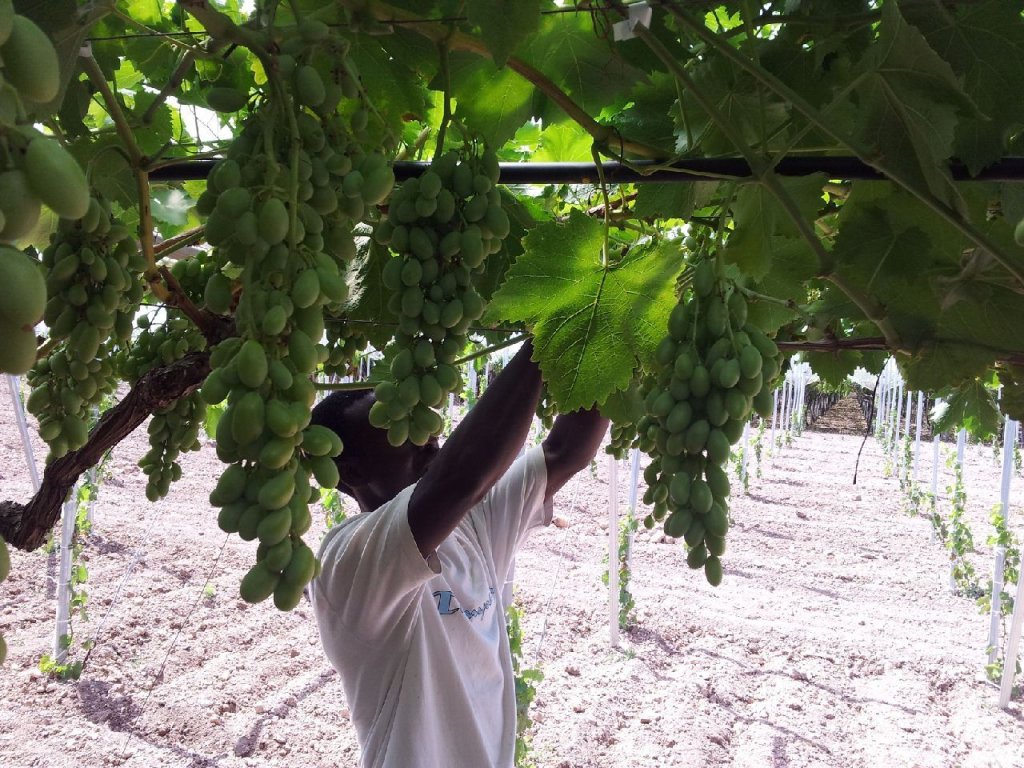
In 2023, 157,000 visa applications for seasonal work were made in Campania. The region is one of the main agricultural suppliers for Italy, Europe and the world, with grapes, lemons and buffalo mozzarella all originating primarily from this region.
However, just three percent of those applicants signed an employment contract, AFP reported.
According to the Italian national broadcaster Rai, Meloni said applications for work visas from Puglia, another region in the south of Italy, amounted to 20,000 last year, even though Puglia is responsible for about 12 percent of all Italian agricultural businesses and Campania only accounts for six percent.
Also read: Million-euro farm worker fraud leads to arrests
Studies have shown that although organized crime has its roots and headquarters in the south of Italy, the gangs operate their businesses all over the country, and across Europe and the world.
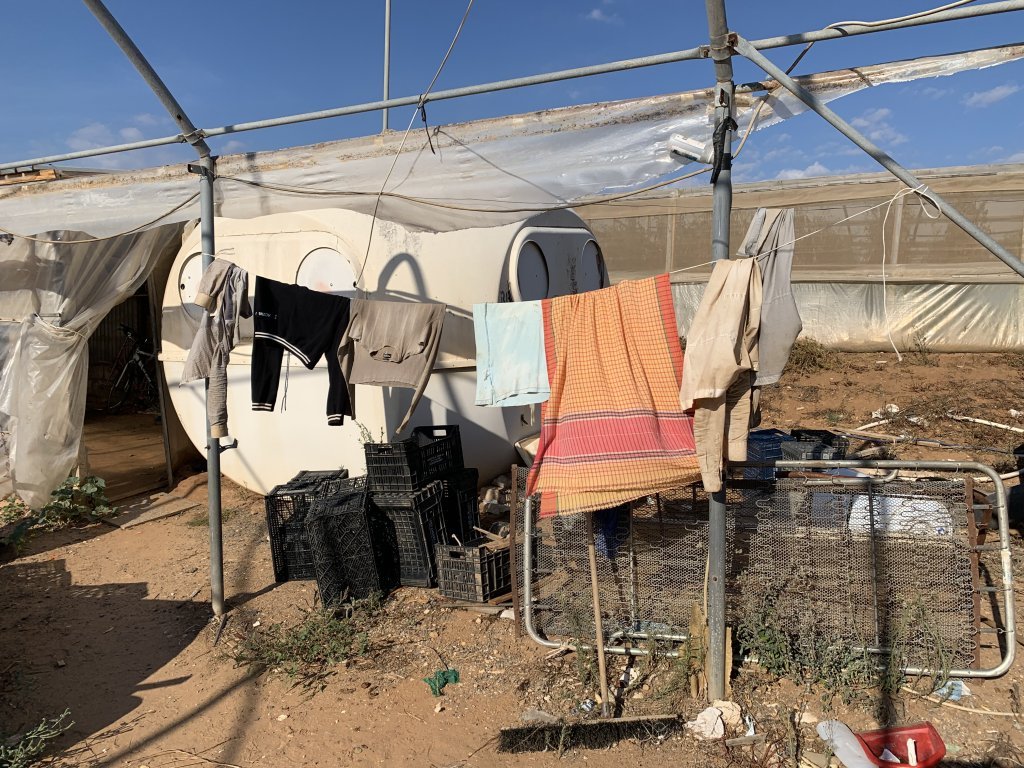
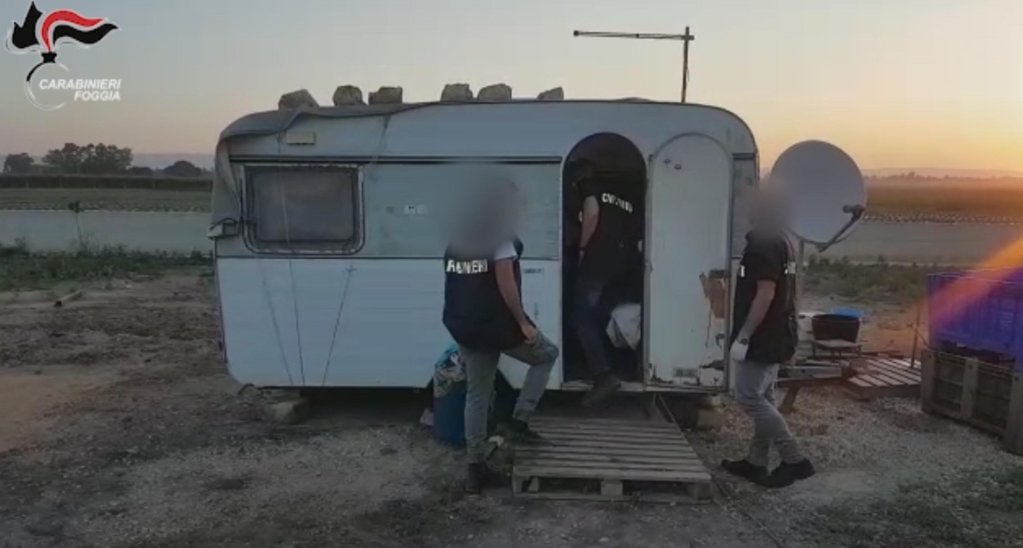
Authorities in Italy, particularly in the south, regularly try to crack down on the infiltration of organized crime in the migrant employment sector. The so-called gangmaster system or 'caporalato' is often found to be deployed in some agricultural settings, where migrants can be brought in without contracts, and kept living in inadequate shanty towns and impermanent dwellings near the fields.
Also read: Fact or fiction? Investigating claims about migration in 2023

Work visas for up to 15,000 euros
According to Meloni, the largest proportion of those entering Italy for work in recent years came from Bangladesh. She added that Bangladeshi authorities had told her there was a "phenomenon of buying and selling work visas."
The visas could even be changing hands for as much as 15,000 euros each, she said.
The prime minister said she had already lodged a complaint regarding this practice with Italy’s anti-mafia and anti-terrorism prosecutor, set up to investigate allegations of organized crime and terrorism in the country. She said the government would also take steps to change the system, in the hope that this would make it harder for such abuses to happen.
Also read: Italy, high demand for non-EU workers exceeds quotas
"We will modify the features that led to these distortions," said Meloni, according to AFP. Henceforth, said the Italian leader in a video, only those with an employment contract will be able to claim the visa.
Meloni said data showed that the same kinds of mechanisms had been "going on for years," and she was "surprised no one else had realized what was happening," ANSA reported.
Quotas set
In 2023, the Italian government set a quota of 136,000 non-EU workers to enter Italy for seasonal work. This year, the quota has been set still higher at 151,000, and will rise to 165,000 in 2025.
The quotas are normally set in the autumn and winter of the previous year, and published in the early part of the year the seasons are due to start.
It is not clear what changes Meloni intends to make to the present system. According to ANSA, her proposals include modifying an existing law known as the Bossi-Fini law, which would make it possible to enter Italy only with an actual work contract.
However, according to the EU’s Immigration Portal website, Italy already requires applicants to send an employment contract along with their application for a seasonal work visa.
Also read: Italy, agriculture and migrant workers' rights
New measures are to be introduced later in June, Meloni said, after the G7 summit due to be held in Italy between June 13 and 15.
'Chaos' reigns, says Meloni
The Italian leader said that the offices responsible for issuing work visas were not managing to keep up with demand, and that was allowing for a "silent assent" in the system. The chaos, she said, was also being partly caused by Italian missions abroad, which were not always checking which visas were being issued to whom.
Lastly, according to Meloni, many people who entered with a visa were not turning up to the immigration counters within eight days, as per the rules, and presenting their contract, signed by their employer.
Also read: Italy, increase in migrants could lower public debts
A campaign group that pushes for more liberal migration policies in Italy, Ero Straniero (I was a foreigner), admitted last week that the work visa system was susceptible to fraud, a problem it blamed on red tape and bureaucracy in the country.
"In 2023, work visas were six times higher than the quotas set by the government, and only 23.52 percent have turned into residence permits and stable, regular employment," said the group in a statement.
With AFP, ANSA and Reuters