
A total of 200,100 people of 157 different nationalities received German citizenship in 2023, representing a 19 percent increase from the previous year. The number is the highest it has been since 2000.
The number of foreigners acquiring German citizenship reaches a record high in 2023, according to figures released by the Federal Statistical Office, news agency Reuters reported on Tuesday (May 29).
A total of 200,100 people of 157 different nationalities received German citizenship in 2023, a 19 percent increase from the previous year. The number is the highest it has been since 2000.
People from Syria, Turkey, Iraq, Romania, and Afghanistan comprised 56 percent of nationals who received German citizenship.
Former Syrian nationals, numbering 75,500 people, were the largest group. On average, this group spent about 6.8 years in Germany, was 24.5 years old, and mostly (64 percent) men.
The government attributed the number of Syrian nationals acquiring citizenship to the influx of Syrians seeking protection from armed conflict in the years 2014 to 2016.
Turkish and Iraqi nationals comprised the second largest group with 10,700 people from each group acquiring German citizenship. The number of naturalizations of Iraqi nationals increased by 57 percent, while the number of Turkish nationals decreased by about a quarter. The number of naturalized citizens of Romanian nationality rose by eight percent to 7,600 and Afghans by 55 percent to 6,500.
On average, the group of newly naturalized German citizens was 29.3 years old and younger than the general population of Germany which the government pegs to be about 44.6 years old. Women comprised about 45 percent.
In 2022, 168,545 people living in Germany became naturalized German citizens, representing only about 3.1 percent of foreign nationals who had been living in Germany for at least ten years.
Modernizing immigration laws
According to government figures, some 14 percent of people living in Germany do not have a German passport, representing around 12 million people. Of that number, about 5.3 million have been living in Germany for at least ten years.
Germany has moved to modernize its citizenship laws in an effort to address workforce shortages caused by a confluence of factors, including an aging population.
Last January, Germany passed legislative reforms to its naturalization policies to make citizenship more accessible to immigrants and make Germany a more attractive destination for skilled workers.
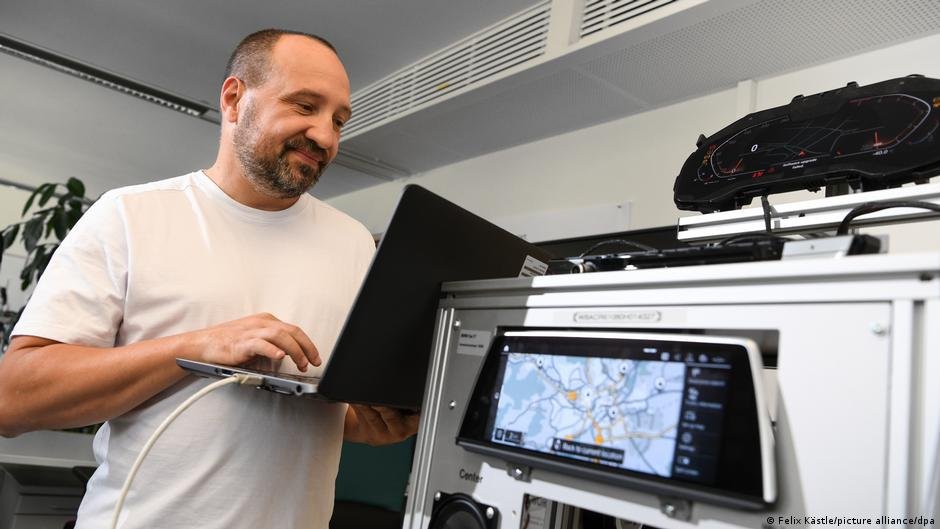
One of the key changes in the immigration law is allowing multiple citizenships. People applying for German naturalization will no longer be required to relinquish their previous citizenship.
In addition, the naturalization process has been accelerated. Immigrants can become naturalized citizens after five years, a reduction from the previous eight-year requirement.
The new immigration law further accelerates citizenship for those who demonstrate a high level of integration. Immigrants who show exceptional integration into German society will be eligible for naturalization after three years. This measure is reportedly designed to encourage active participation in the cultural and social life of the country rather than make it difficult to integrate into the cultural and social fabric of Germany.
Read more: Germany simplifies naturalization process
Honoring contributions of 'guest worker' generation
Naturalization through the acquisition of German citizenship is further made easier for people who are recognized as part of the "guest worker" generation.
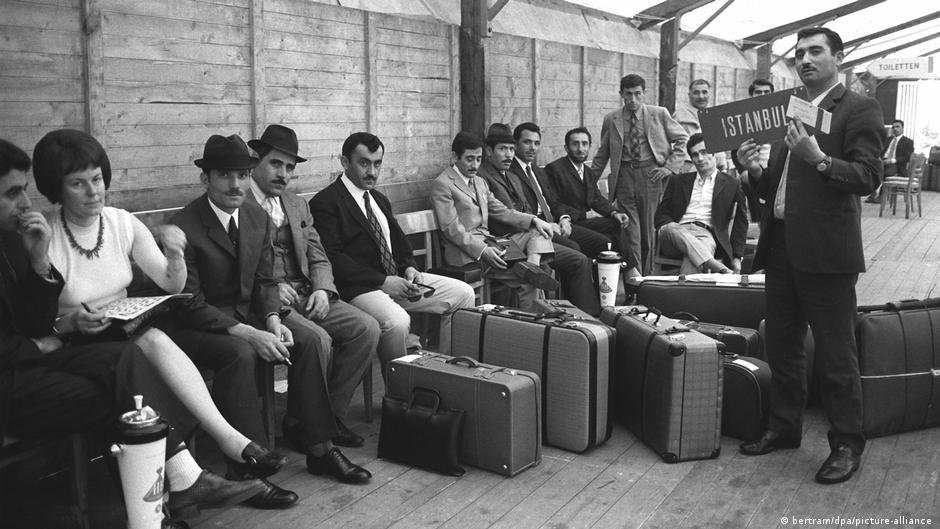
Immigrants from this group who demonstrate proficiency in spoken German will qualify for naturalization and no longer need to pass a citizenship test. The accelerated process is said to acknowledge the vital role guest workers played in German development.
Post World War II, West Germany badly needed workers to rebuild its economy. The country opened its doors to hundreds of thousands of guest workers, mostly men from Turkey and Italy.
Read more: Berlin plans two monuments to migrants