
A growing number of migrants are crossing the border from the UK to Ireland in the hope of avoiding deportation to Rwanda, the Irish deputy prime minister has said. His comments came after a violent protest at a site intended to house asylum seekers.
A day after the British government’s plan to send asylum seekers to Rwanda became law, Ireland’s deputy prime minister Micheál Martin said the policy was already having an effect in Ireland.
Martin said more people were seeking sanctuary in Ireland, a member of the EU, because they were "fearful" of staying in Britain and being deported to Rwanda, the Daily Telegraph reported.
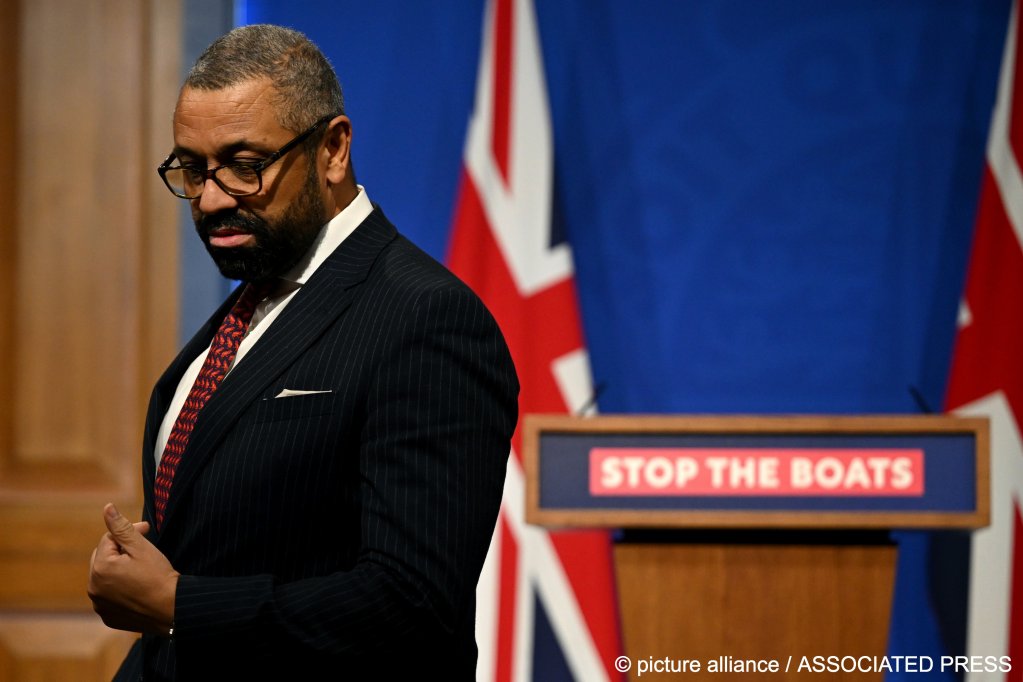
The Safety of Rwanda Act requires British courts and immigration authorities to consider the East African country as "safe", theoretically allowing for those crossing the Channel to Britain to be sent to Rwanda to have their asylum claims processed there.
The British government says it wants to begin removals to Rwanda within 10-12 weeks.
Also read: Rwanda explained: From politics to human rights to migration
The border between Northern Ireland and the Republic of Ireland is the only land border between the UK and the EU since Britain left the bloc in February 2020.
With no immigration checks at that border, it is effectively open to migrants who want to seek asylum in an EU country.
Earlier this week, Ireland's Justice Minister Helen McEntee estimated that more than 80 percent of people applying for asylum in Ireland were coming from Britain over the land border with Northern Ireland.
More people seeking asylum in Ireland
Ireland has seen a steady rise in the number of people applying for asylum. In the first three months of this year there were 5,163 claims lodged, over 2,000 more than during the same period last year, according to official figures.
At least a third of claimants this year so far are from Nigeria, followed by nationals of Bangladesh (416), Pakistan (400), Somalia (365) and Afghanistan (243).
The increasing number of people claiming protection in Ireland continues to pose challenges for the authorities, which have been unable to provide enough accommodation, forcing hundreds to sleep in tents on the streets.
Many are said to have developed health problems such as scabies and respiratory illnesses as a result of poor living conditions.
Read more: Ireland: Calls to end controversial 'Direct Provision' system for asylum seekers
Ireland at 'crossroads' after violent protest
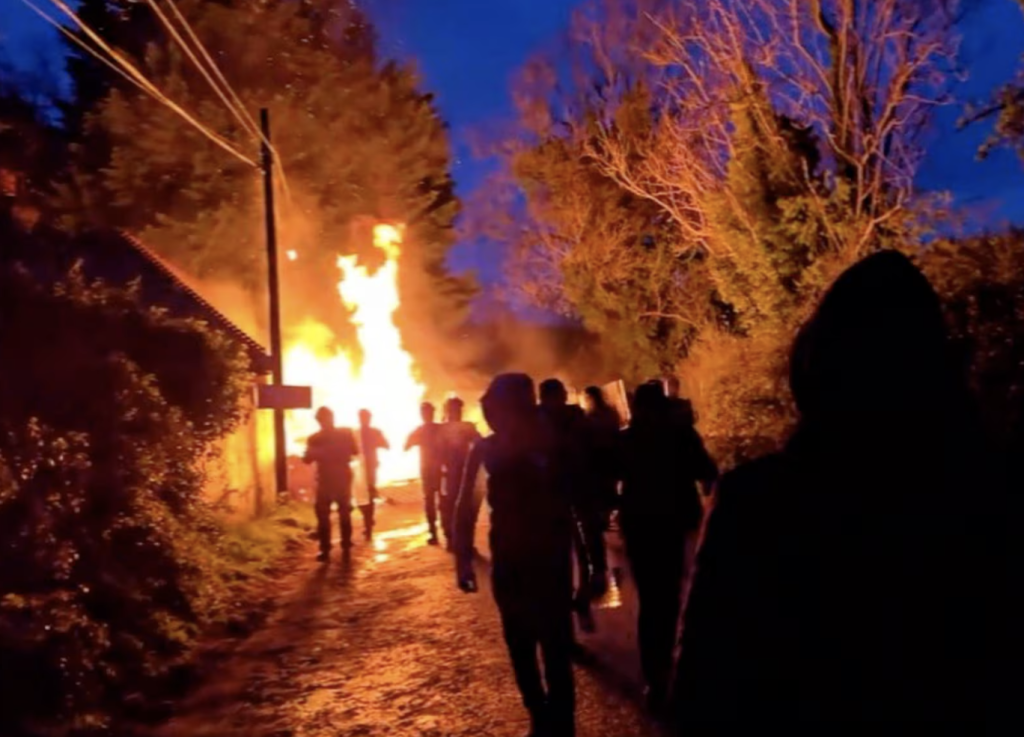
Local protests against the government’s policy are frequently targeted at asylum-seeker accommodation, with a serious escalation of violence by anti-migrant demonstrators at a property known as Trudder House or River Lodge in the eastern town of Newtownmountkennedy, which has been earmarked to house asylum seekers.
Late Thursday evening (April 25) the protesters, who have been demonstrating at the site for the past six weeks, threw rocks at police, lit fires and damaged patrol cars with an axe.
Locals say the site is unsuitable to accommodate asylum seekers and that the resources of the village are already overstretched, Irish public media RTE reported.
Speaking on Newstalk radio on Friday morning, Minister McEntee condemned the protest and said the country had reached "a crossroads".
"Do we allow people who have no alternative other than to create mayhem and create a divided society to suggest that every migrant coming in here is a criminal…?," McEntee said.
The minister also said Ireland had an obligation to accommodate people. "We’ve all seen the tents, we’ve all seen what (has been) happening over the last number of months."
"My colleague [integration] Minister Roderic O’Gorman (...) is trying to accommodate all those who are arriving here, who are applying for international protection."
With Reuters
Also read: Ireland: Makeshift migrant camps spring up amid protests