
On Tuesday, the Costa Rican President ruled out signing a 'Rwanda-like' deal with the UK to take asylum seekers from Britain to the Central American country.
Costa Rican President Rodrigo Chaves shared a message on the social media platform X (formerly known as Twitter) on Monday (April 15), which appeared to rule out news that his country might enter talks with Britain to take asylum seekers from the UK in a 'Rwanda-like' deal.
In his post, President Chaves said that "news has been circulating (that was causing alarm) that Costa Rica would take African migrants [from the UK], which is not true: We have told the United Kingdom that Costa Rica will not receive any migrants from overseas."
Original story suggested four states might make deals with the UK
The story on a potential deal between the UK and Costa Rica was originally reported in the Times newspaper over the weekend and then picked up by several other British newspapers and broadcasters.
The reports claimed that an unnamed official had briefed the Times that the British government was in talks not only with Costa Rica, but also Armenia, Ivory Coast and Botswana about trying to replicate the so-called "Rwanda plan" to fly asylum seekers arriving in Britain for processing and housing overseas.

Costa Rica's Foreign Office meanwhile confirmed Chaves' position, reported the French news agency Agence France Presse (AFP). In a statement, it added: "Costa Rica has not accepted such a proposal in any way."
The Foreign Office clarified that although it had discussed "challenges" posed by migration with British officials, "this did not imply any commitment to receive foreign migrants."
'Ping-ponging' of Rwanda Bill continues in British parliament
Meanwhile, the actual Rwanda deal is still ping-ponging its way through the British parliament. The ruling Conservative party had hoped that the process would be finalized on Wednesday (April 17), and that the bill could be passed by Royal Assent and become law.
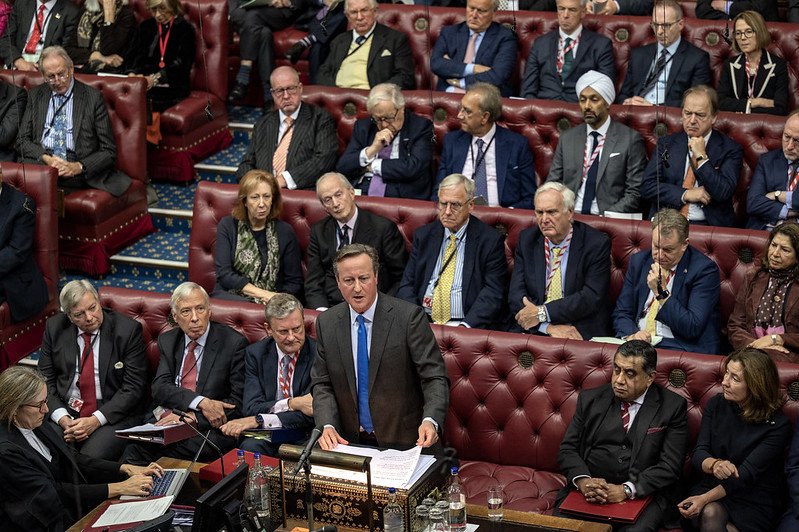
However, on Tuesday (April 17), Parliament's upper house, the House of Lords, asked once again for amendments to the Rwanda plan, even after MPs in Parliament's lower house, the House of Commons, had overturned the requested amendments on Monday.
One of the amendments the Lords are attempting to insist on is to make sure that there are exceptions to the scheme for children, and also to make sure that the scheme is compatible with international law.
The re-addition of these amendments means the bill has to return to the House of Commons on Wednesday for yet another vote.
Members of the House of Lords who are in support of the opposition Labour Party have in the meantime also tabled amendments asking for exemptions for those who have worked with the UK military or government overseas, such as Afghan interpreters.
Finally, the amendments attempt to make sure that the new bill has "due regard" for international and key domestic laws, including human rights and modern slavery legislation, reports the BBC.
Will the government concede any of the amendments?
Because of the government's present majority in the Commons, the amendments to the bill are likely to be overturned once again. Although the Lords can insist on amendments, the House of Commons has the final say on any legislation.
However, one way to try and turn the bill into legislation, writes the BBC's chief political editor Chris Mason, is for the government to offer the Lords "concessions to try to make sure the bill is polished off today."
According to Mason, the government feels that all of Labour's amendments are merely trying to block the Rwanda plan and are not sensible suggestions.
One concession they might have offered would have been to table exemptions for those who worked with the UK military overseas. However, the government has told Mason that there are "established routes for them to come to the UK, without needing to get on a small boat."
Another of the amendments tabled is to install an independent monitoring body to look at whether Rwanda can really be treated as a safe country. If that were to be passed in the Lords, which the BBC's Mason thinks it might be, that could make the whole process "trundle on until next week."
However, the Conservative Party has also attempted to rally Conservative supporters in the Lords, some of whom rarely attend the chamber, to make sure that they can push through their version of the bill in the upper house, too.
When might planes take off?
A spokesperson for UK Prime Minister Rishi Sunak told the BBC on Tuesday: "We remain focused on getting the bill passed as soon as possible so we can get flights off the ground and break the business model of the criminal gangs."
The spokesperson added: "The prime minister's message to parliamentarians across both Houses hasn't changed: We need to act to save lives and that's what this bill will help us to do."
Most political observers in the UK agree that the bill will be passed in some form or another either this week or next, and will then become law. The next question that will then follow, however, is: How long will it be before the first planes to Rwanda take off?
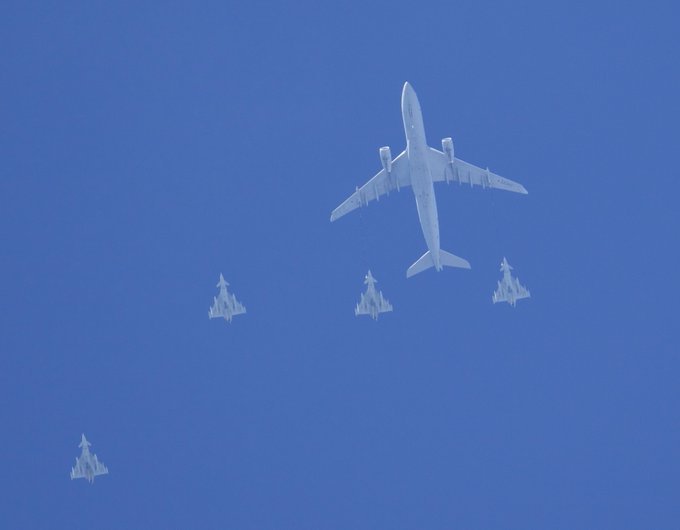
At the end of last week, the Guardian reported that the government was in talks with a charter airline named as AirTanker to operate asylum seeker flights to Rwanda; the company already operates contracts for the Ministry of Defense and the RAF.
However at the time, AirTanker did not respond to requests for comment about whether or not it might be persuaded to take up any potential Rwanda contracts.
Also last week, the UK's Prime Minister and the Rwandan President, on meeting in London to discuss the Rwanda policy, assured journalists that planes were due to take off "in spring."
However, the Daily Mail meanwhile speculated that it would be at least June before a plane might taxi down a runway, with its destination being Kigali.
With AFP