
The French authorities have reportedly refused to grant visas to the relatives of several people who died in a shipwreck in the Channel in November 2021.
Four people, originally from Iraqi Kurdistan and Ethiopia, told the French newspaper Le Monde that their applications for French visas had been refused, despite having been called to testify in a French inquriy into the shipwreck of a migrant boat that went down in the Channel on November 24, 2021.
The incident is still the biggest single loss of life in the Channel on a migrant boat since crossings became more frequent in 2018.
The four people are all relatives of some of the 27 people who died during the shipwreck. Four more people are still missing from the incident and just two people survived the incident.
Also read: UK investigation into Channel deaths
The group of four, according to French newspaper reports, were waiting to be called before a magistrate as part of the inquiry but told Le Monde that they could not attend as they had not not been granted a visa. Their hearing, reported the paper, was due to take place in December 2023.
According to Le Monde, just one Iraqi Kurd, Zana Maman Mohamad, who lost a brother in the incident, was allowed to travel to France for the hearing.
Fears visas could be used to migrate, say French authorities
The French authorities say the visas were refused on the grounds that they feared they could be "used for migratory means." Matthieu Chire, the Kurdish lawyer of Mustafa Mina Nabi, one of the relatives, received a letter on January 22 which stated that his client presented "a risk of using the visa to migrate to France," reported the French newspaper.
However, Chirez told Le Monde that Nabi has a young son in Kurdistan and so would not "abandon" him there in order to migrate to France.
Also read: UK: Government announces more measures to reduce migration
Another two Kurdish citizens, named as Ismaïl Hamad Khudur and Rasul Farkha Hussein, who lost their son in the shipwreck, were also told something similar by the French authorities. They too claim to have several children in Iraqi Kurdistan who they do not wish to leave.
A 32-year-old Ethiopian, Henok Hailu Gebrehiwot, who lost his sister in the shipwreck, also had his visa refused. The French authorities reportedly wrote, "because of your personal situation, and the fact that you are single, without any fixed material or financial commitments in Ethiopia, your application carries the risk that it could be used for other [migratory] means."
Disappointed at refusal
The four told Le Monde that they were enormously disappointed not to be able to participate in the inquiry. "As a father, I really wanted to participate," Mustafa Mina Nabi told Le Monde. "If French citizens had lost their relatives in a tragedy in Iraq, how would they have reacted to not be able to travel to the country where it happened?"
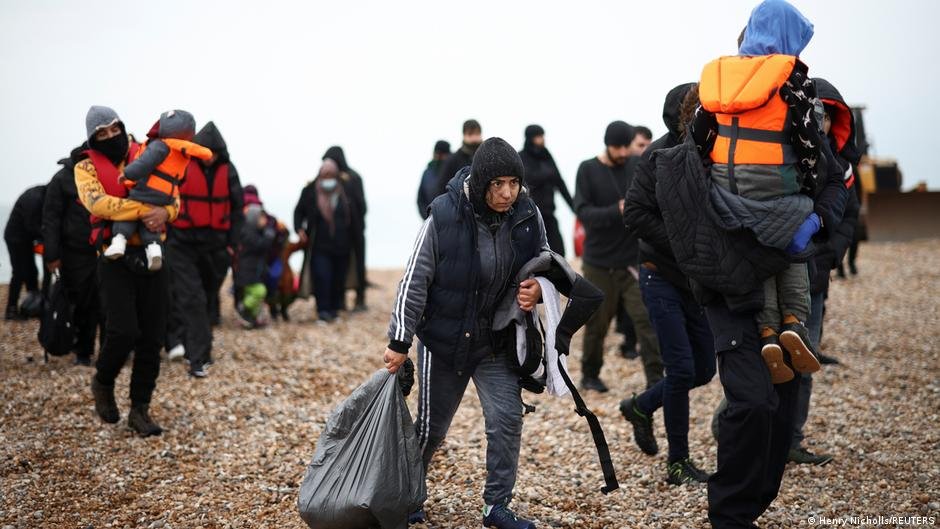
Lawyers representing the four have called the decision to refuse visas a "denial of justice." They said that the families can "provide details on the migratory journey of the victims and the way in which they were approached by the smuggling networks." The lawyers felt that this information would have been "very useful elements in the progress of the case."
Some of them had hoped to be able to talk to the judges, and help stop the work of smugglers in the future, they told Le Monde. Others felt that testifying to the judge would be a recognition of their story, and felt it was important to be "heard."
Also read: France stops 140 migrants from crossing English Channel
Since the shipwreck, which former French Prime Minister Jean Castex labeled a "tragedy," the French and British authorities have pointed the finger at each other in terms of responsibility over the incident.
Further hearings
Both countries have instigated inquiries, some of which have already reported failings in response times. At the end of 2022, a judicial inquiry in France, reported in Le Monde, revealed "serious anomalies in the service of French emergency services, who didn’t send help, in spite of several calls for help."
The organization Utopia 56, which works with migrants in France, made a complaint in February this year against authorities on both sides of the Channel. They accuse them "failing to provide emergency aid and manslaughter."
On March 15, the wife of an Ethiopian who died in the tragedy filed a claim for compensation at an administrative tribunal in Lille, reported Le Monde. Pro-migrant associations (Utopia 56 and The League of the Rights of Man) are helping the woman with her claim and say that they hope this will help make the French authorities accept their responsibility for the incident and the deaths of those who lost their lives in the Channel.
Financial compensation and more
According to the French broadcaster France Bleu, seven French police personnel and 11 suspected smugglers are on trial. The French authorities have been accused of potentially ignoring up to 15 requests for help from the migrants on board the boat in distress.
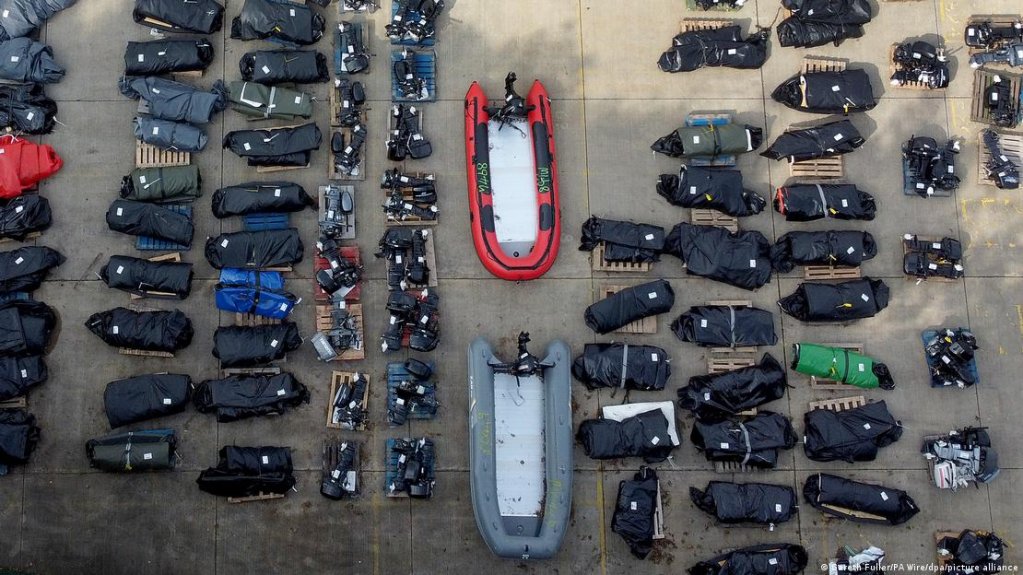
The Ethiopian woman's lawyer, Justice Lescs, told France Bleu, that as well as financial compensation, his client was hoping to obtain answers as to why the French authorities did not send aid to those in distress and didn't appear to intervene in the tragedy unfolding.
Testimonies from previous inquiries have highlighted that authorities on both sides of the Channel appeared to believe that the boat was the other's responsibility and so took longer than procedure should dictate to respond and act.
More than 3,500 migrants have crossed the Channel since the beginning of this year and at least seven deaths have been recorded since January 2024, among them a 7-year-old girl and a 14-year-old youth.
According to British government data, 123 migrants crossed the Channel successfully to the UK in the last seven days. The figures were last updated on March 19.
With Anadolu Agency
This article is largely based on a translation of the report in French, on InfoMigrants French, published on March 18, 2024