
Spanish police say they have dismantled a network that offered families of missing North African migrants false information about the whereabouts of their loved ones in exchange for money.
Fourteen people have been arrested in the southern Spanish cities of Almería, Murcía and Jaén after police exposed a major trafficking network accused of exploiting families in Morocco and Algeria looking for loved ones who disappeared while crossing the Mediterranean.
In a statement on Wednesday (March 13) the Civil Guard said they had searched more than a dozen homes, seizing 70,000 euros in cash, vehicles and documents.
Criminal operation
According to police, the network operated by using fake social media profiles to make the first contact with families and offer them information about their missing relatives.
Then, when a shipwreck was reported, they contacted the family again asking for personal information about the missing migrant in order to conduct a fake search for them, assist the family to file a complaint, and deal with the collection of DNA samples needed to identify the body.
To gain information about the corpses, the suspects collaborated with workers at public institutions who had access to unidentified bodies at morgues and funeral homes, police said.
Also read: Who cares about the identities of the dead?
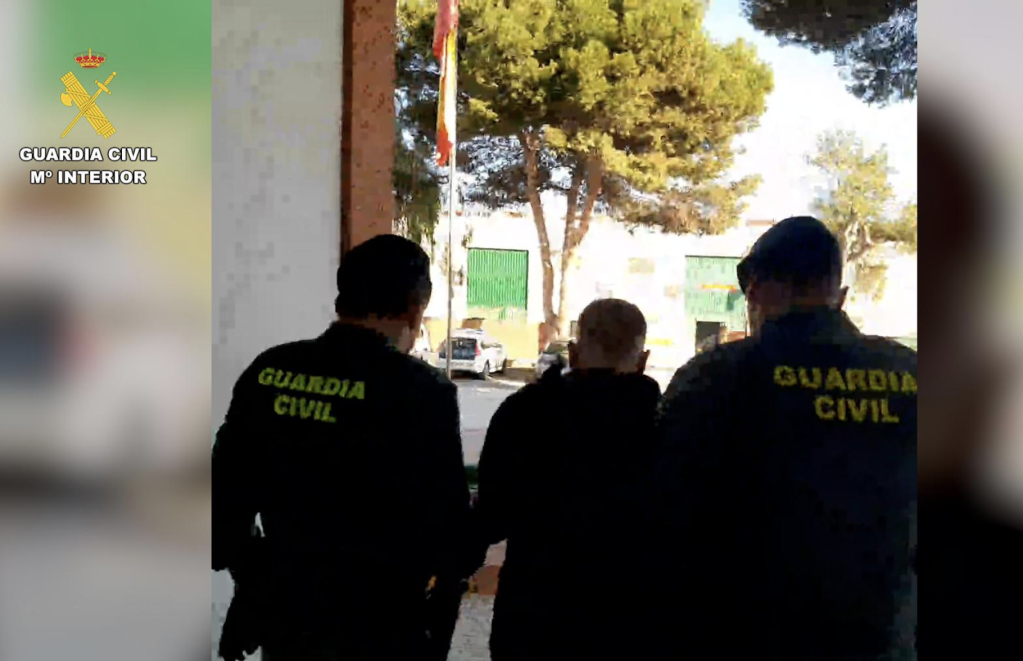
Once they had obtained a photo of a body, it was posted on the internet and the family member was made to sign a contract giving the institution, such as the funeral home, exclusive rights in the ‘deal’.
The network, believed to have been led by a Moroccan citizen, told the families that the only way to recover their loved ones' bodies was through the services they offered, requiring advanced payment, police said.
The suspects are being accused of fraud, revealing confidential information, disrespecting the deceased, belonging to a criminal organization, falsification of documents and bribery.
Also read: Families of lost migrants: Waiting for answers that may never come
Pain of not knowing
Families and relatives of tens of thousands of migrants who have died trying to reach Europe by crossing the Mediterranean Sea often struggle to find, identify and repatriate their remains.
While some international and local organizations try to assist families, the vast majority of missing migrants are never found and presumed dead.
"Unfortunately, States do not respect their obligation to search when the missing people are migrants," says Caminando Fronteras (Walking Borders), a Spanish non-profit organization.
Spain, like many other countries, also lacks clear and uniform protocols for the identification and repatriation of the bodies of those who die on migration journeys.
As a result, even when bodies are recovered, few are identified and procedures needed to return the remains to families are complex and expensive, leaving them out of reach for most.
In Spain, only 50% of migrant deaths registered in the country between 2014 and 2019 were identified, according to a report by the International Committee of the Red Cross.
With AP