
InfoMigrants has received several accounts from sub-Saharan migrants arrested by authorities in Sfax and other cities in Tunisia. The migrants report they were abandoned along the Algerian border in freezing cold mountain areas.
“I was walking in the street in Sfax when they caught me. It was a Friday in January 2024. I was doing nothing… I was walking… and suddenly, they arrived and caught us,” said Mohamed*, speaking without emotion.
The 16-year-old Sierra Leonean described brutal treatment facilitated by Tunisian police in an interview with InfoMigrants.
“You know how black people are treated by the Tunisian authorities, don’t you? They hate us.”
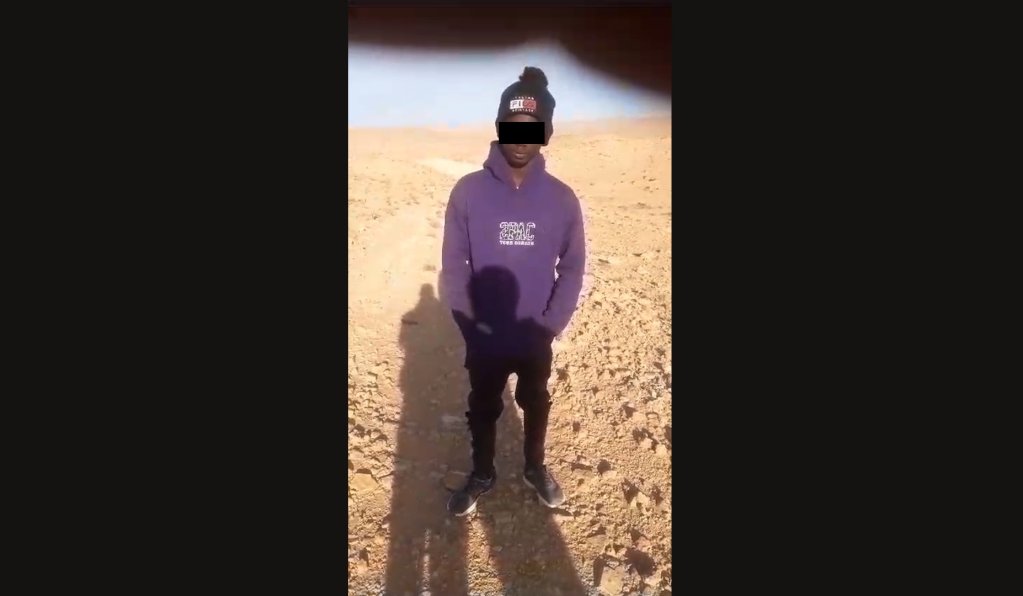
Mohamed is a teenager, but he has a child's face. In the videos he sends of himself filmed in the Algerian mountains, he remains motionless as he stares sadly into the camera's lens.
“I knew I had to keep evidence of what happened to me," he said. "I knew it. This isn’t normal.”
Black people from sub-Saharan Africa living in Tunisia have been victims of a manhunt led by the government in Tunis since the summer of 2023. Tunisian authorities completely deny these accusations. InfoMigrants has collected dozens of accounts on the roundups and the abandonment of migrants in the desert, often toward Libya, but also toward Algeria.
‘It was cold and raining, with a lot of wind’
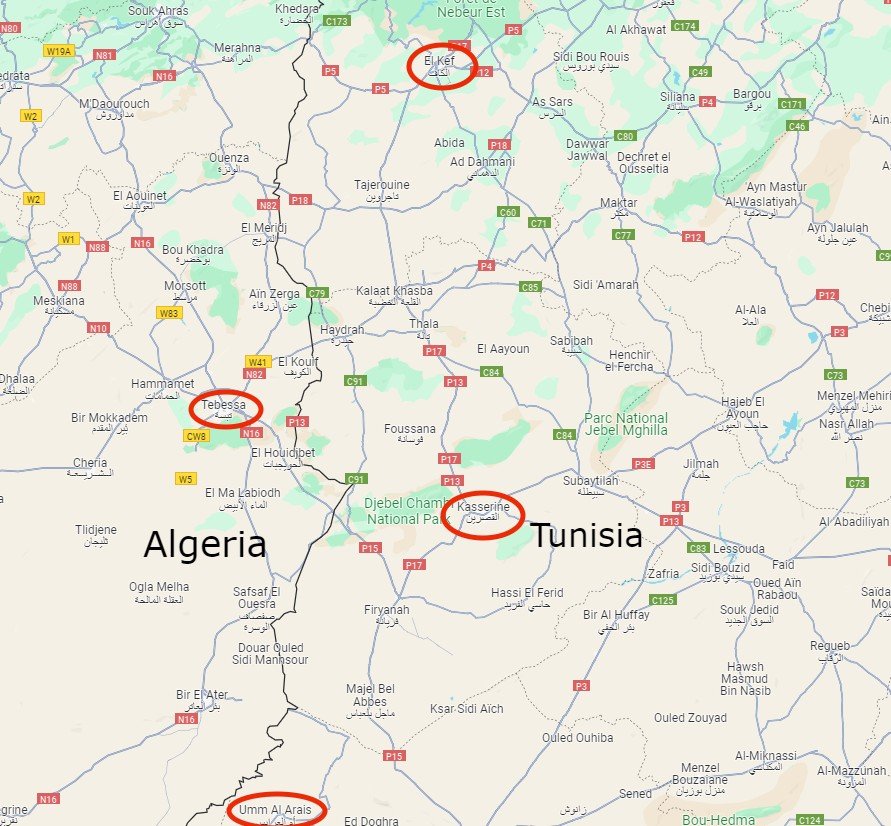
The first accounts of these deportations, usually to the city of Kef, were reported to InfoMigrants in October. They continued throughout the winter, towards Kasserine, where the migrants were confronted by the cold and snowy conditions.
“When they [the Tunisian police] caught us in Sfax, they gathered us in a police station and there were around 150 of us. They waited until it was dark before taking us by bus to the Algerian border,” said Mohamed.
"When we approached the mountainous area, the bus was too big. They put us in pickup trucks to get over the mountain. They abandoned us there, they took our cell phones, all the money we had and then they left."
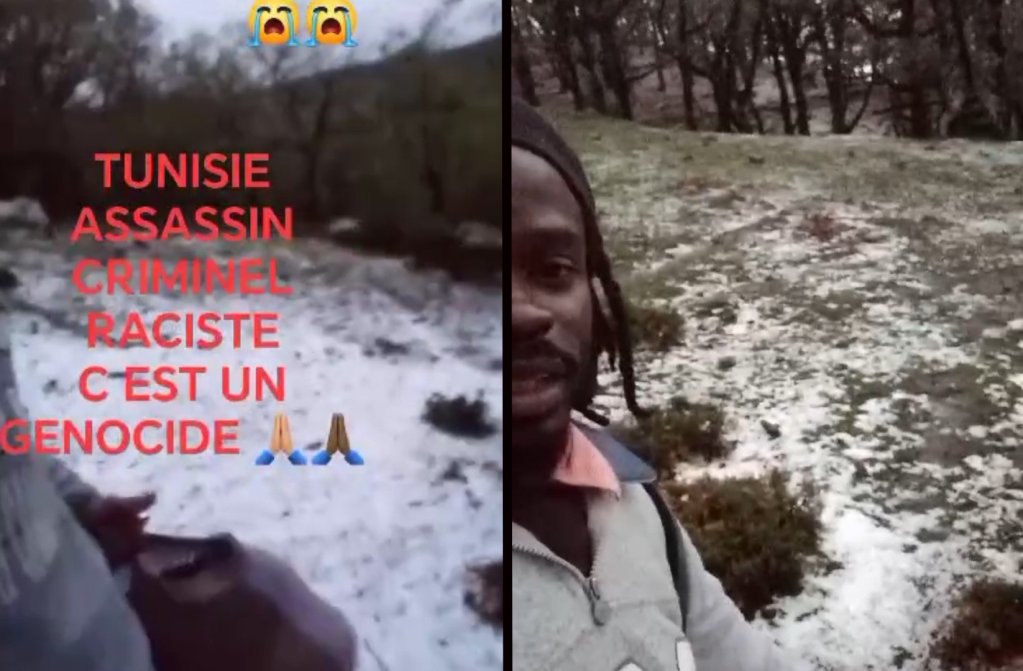
Mohamed was luckily able to keep his phone that evening.
“They forgot to take it away from me. I filmed the next morning. We were in the middle of nowhere,” he said.
All he knew was that they were situated somewhere along the Algerian-Tunisia border, near the village of Om al Arais. Mohamed only had a hat and a light sweater when he arrived in the mountains. "It was cold and even though it didn't snow while I was there, it was rainy and windy," said the adolescent.
Mohamed stayed in the mountains for two days before finding his way back to Tunis.
Read more: Migrants in Tunisia transferred to Libyan prisons
Tunisian National Guard spokesperson Houssem Eddine Jbebli denied the existence of any deportations to countries bordering Tunisia in an interview with InfoMigrants.
“These comments are unacceptable. There is no expulsion operation. Nothing is happening,” he said in December 2023. “We only offer voluntary returns for migrants who wish to return to their country of origin.”
'At least no one from our group died'
According to the Tunisian Forum for Economic and Social Rights (FTDES), which helps foreigners in Tunisia, it is difficult to say how many deportations have taken place. In addition to being unofficial, the deportations terrify the victims who refuse to speak out, because of the fear of being potentially identified.
“We know these deportations to the mountains exist, but we cannot really document them,” said Romdhane Ben Amor, a member of FTDES. Most of the time, the Tunisian authorities rob sub-Saharans, take their money and confiscate their cell phones. Migrants therefore have little chance of providing evidence of these illegal deportations.
Salsabil Chellali, director of the Tunisian office of Human Rights Watch (HRW), already spoke of an “escalation in security” in October 2023 on the part of Tunis, which was trying “to sweep [these deportations] under the carpet”.
Read more: Tunisia and Libya share responsibility for hundreds of migrants at border
Fatma, another Sierra Leonean, told the same story as Mohamed, with the same weariness in her voice. She was arrested at sea in Sfax on December 29, 2023, while trying to flee to Lampedusa, the Italian island located 150 kilometers away from the Tunisian coast.
Barely back on land, she and a group of 50 people, including young children, were immediately sent to the Algerian border.
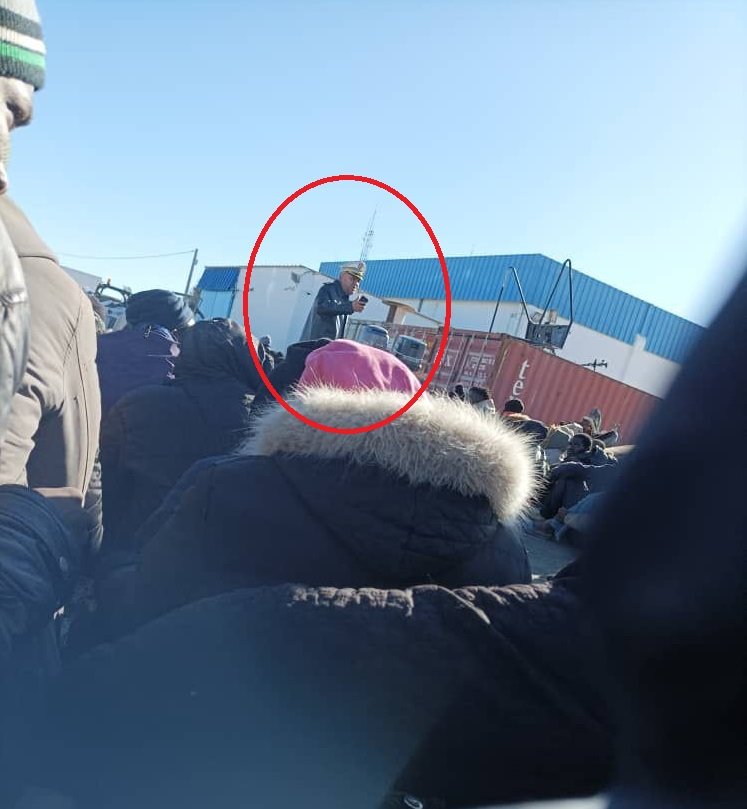
"We were divided into two buses. They took everything away from us: our cell phones, our money... When we got to the mountains, it was cold and dark. We had no idea about the [weather] conditions which awaited us. The children had nothing to wear for the winter temperatures."
Fatma says it took her group five days to reach the Algerian town of Tebessa. "We were completely lost. We met a shepherd, who helped us. He showed us the right path to follow." During the five days the group spent walking, it snowed a little but mostly it rained. “It was very hard. At least no one from our group died.…There were only people who suddenly became ill.”
Expelled from Tunisia to Algeria, then from Algeria to Niger
Once they arrived in Tebessa, Algeria, the group began begging for some warm clothes and food. “Very quickly, we understood the Algerians were also going to deport us, by sending us to the border with Niger.” Fatma and her group panicked and did a U-turn, before taking the route back to Tunisia. They went back through the mountains, on foot the whole way. “It took us 15 days to get to Tunis from Tebessa by foot.”
Read more: 'We were abandoned in the desert at 2 a.m.': Migrants expelled from Algeria to Niger
Algeria, like Tunisia, has been known to carry out illegal expulsions for years. At least 5,000 people were expelled from Algeria and taken to the border with Niger, in the middle of the desert, between July 26, 2023 (when the military coup d'état took place) and October 18, 2023. This is according to information provided by the Alarme Phone Sahara network this fall.
“After a deportation, returning to Tunisia is also difficult,” said Houssam, another migrant from Tunisia.
“A criminal network has been set up [to respond to migrants' need to return back to their point of origin after being deported, editor's note]. When Black people return on Tunisian soil, they are approached by ‘taxis', a new kind of smuggler, responsible for bringing migrants back to Tunis or Sfax for a certain amount of money."
"They tell you they can take you to Sfax for around 100 euros. They hide you in cars, in trunks -- up to four people in the trunk. They put luggage on top."
Those able to save their money can return to Sfax more quickly. The others, like the people in Fatma's group, must walk.
The Sierra Leonean is now hiding in the capital. Terrified, she no longer dares to leave her house. Trying to get to Italy by sea again is also not an option. “If they take me back, what will happen to me?” she whispered. “I can’t leave my house; I can’t attempt to cross the sea. I’m stuck.”
*All first names have been changed