
Poland started the new year with a new government. Donald Tusk's Liberal progressive coalition replaced the Conservative PiS (Law and Justice) party that had ruled Poland for eight years. But does the new government have a new migration policy?
Big changes were expected when Poland’s new government took power in late 2023. After eight years of the conservative rule of the PiS (Law and Justice) party, Donald Tusk’s liberal progressive coalition was expected to introduce changes that would chime with the bells ringing out across Europe heralding the start of 2024.
In December 2023, the Association for Legal Intervention in Civil Society (Stowarzyszenie Interwencji Prawnej) published an article calling for "seven changes to the migration law" they hoped to see from the new government.
Also read: From amputated digits to death, how the cold affects migration
The organization said they would like to see a "responsible and human approach to the issue of migration." Up until then, they said there had been "no such policy in Poland."
Under PiS, there had been mostly detention and pushbacks at the Polish-Belarusian border, SIP said. Under Tusk’s leadership, they said they hoped to see the rights of migrants and refugees respected.
Requests for changes under new government
SIP said it had "transmitted a full legal analysis, together with our requests to the Minister of the Interior and Administration, the Minister of Justice, the Ombudsman for Rights of the Child and the members of the Parliamentary Group on Migration Policy."
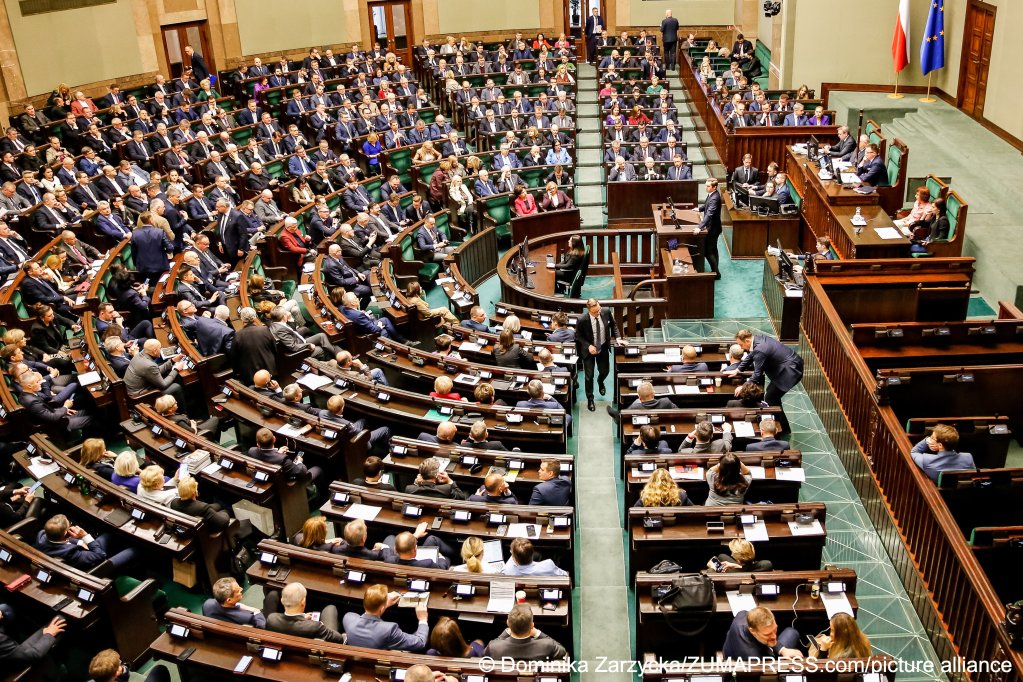
The group asked first that the Polish authorities "repeal the rules on pushbacks." Here, they are referring to laws passed under PiS which, in contravention of international law, made pushing back people found at the Belarus border legal under Polish law, explains Bartek Rumienczyk, spokesperson for the Grupa Granica (Border Group -- a collective working with migrants, asylum seekers and refugees in Poland).
Also read: Poland will reject EU migrant pact
According to SIP, "courts have repeatedly pointed out that those provisions were adopted in excess of the statutory delegation, and they violate national and international law."
Rumienczyk says his group has been disappointed so far. They have seen no evidence of laws being repealed. In fact, he said, although they are in contravention of international treaties, and the new government is pro-European, there hasn’t been that much noise from Europe on the issue either.
"The new government has indicated they will continue that policy," says Rumienczyk.
Pushbacks appear to be continuing
Despite fewer people attempting the crossing since the beginning of the year, Rumienczyk says that according to official data received from the Polish government, the border guards have sent back around 100 people to the "border line" with Belarus between December 13 and now.
"The policy of the new government is to seal the border and make it as secure as possible," he says. "The government claimed that none of those pushed back at the border had sought to claim asylum."
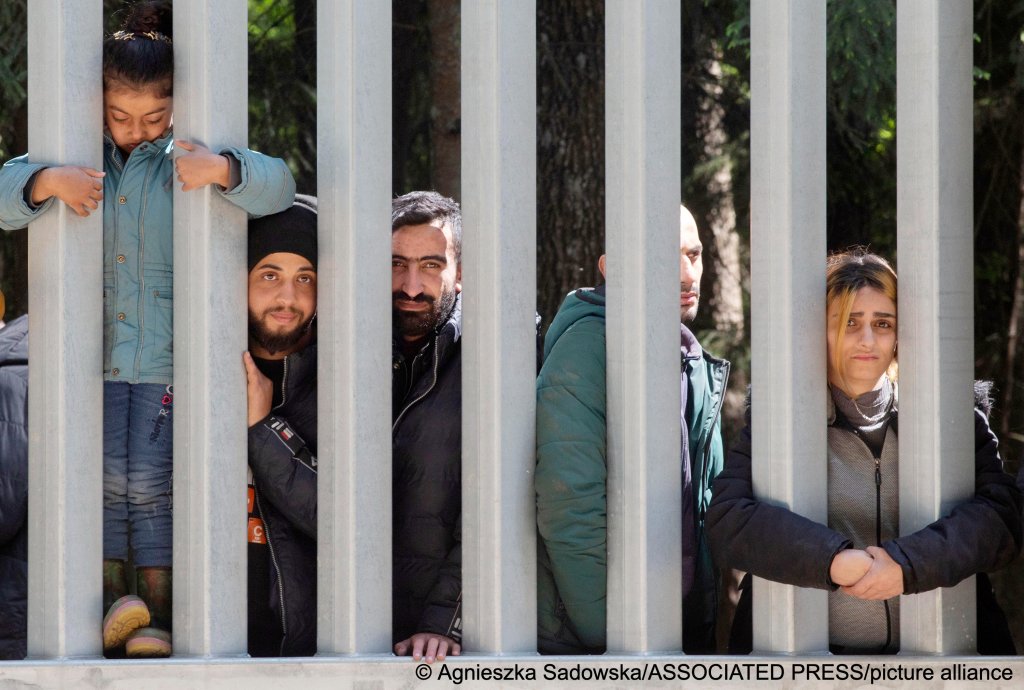
That claim, says Rumienczyk, "is completely untrustworthy. We have a long and recorded history of cases when people were asking for asylum and still the border police were throwing them back to Belarus."
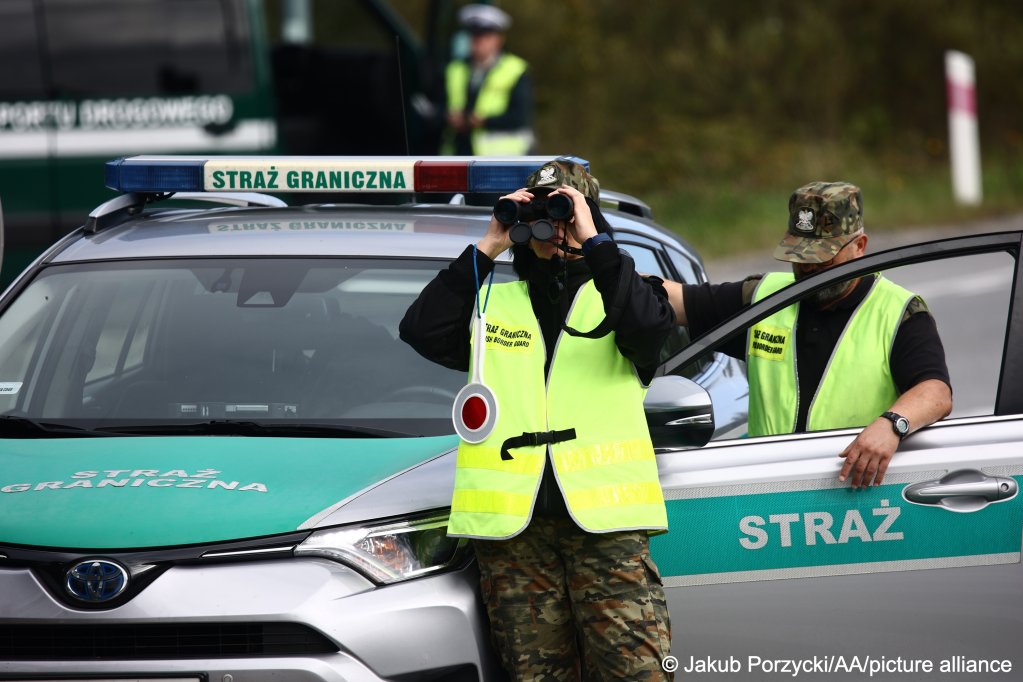
On January 24, the Polish Border Guard posted on their X page saying they had "pushed back 13 foreigners who tried to enter illegally." They said the events "took place on the PSGDubiceCerkiewne section of the border." They accused the "foreigners of trying to damage the barrier" but "after the arrival of service patrols, everyone retreated to Belarus."
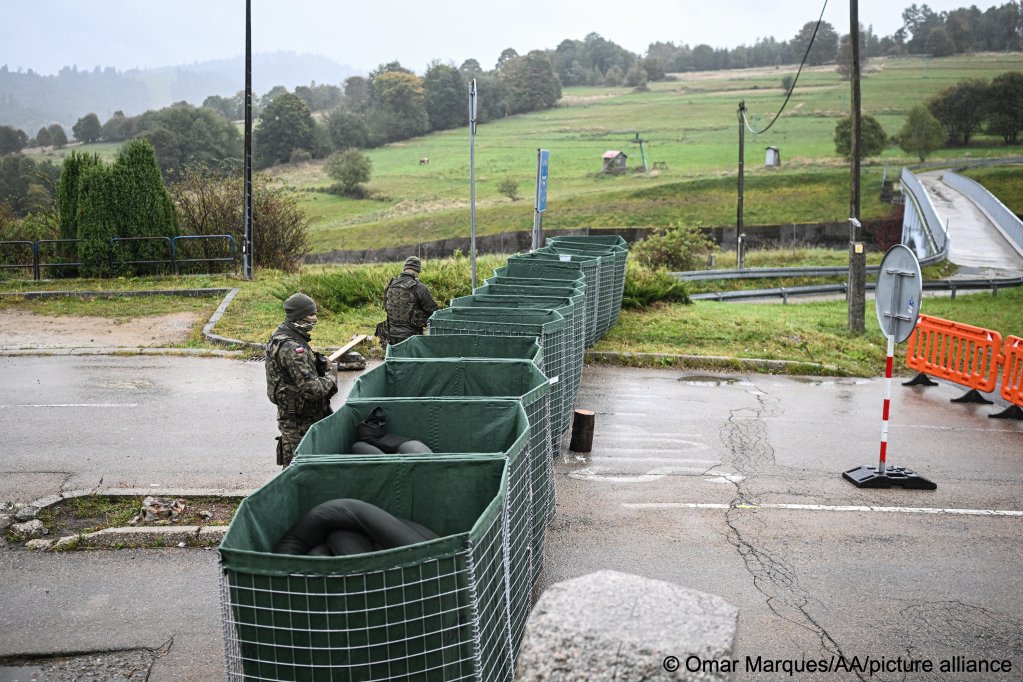
Additional barriers to block people in border zone
And it is not just pushbacks that could remain in place. According to Rumienczyk, much of the former migration policy looks likely to stay.
"This government is more EU-focused than the last, they are pro-European, and so they have indicated they may even start working with Frontex to hold people back at the border. Although we don't know for sure whether that will happen or not, or by spring, so we suspect that we will have more work again in spring."
Also read: How are migrants getting from Belarus to Poland, an investigation
Apart from the cold, one of the reasons fewer people might be crossing over into Poland is the continued construction of additional fences on the eastern border, say Rumienczyk and Marianna, a humanitarian worker.
Marianna has been working with the collective, which helps migrants at the border, since 2021. To help fund their support, they started the foundation Fundacja Bezkres, which means "boundless" or "limitless help, limitless imagination, limitless tolerance, limitless compassion" according to their website.
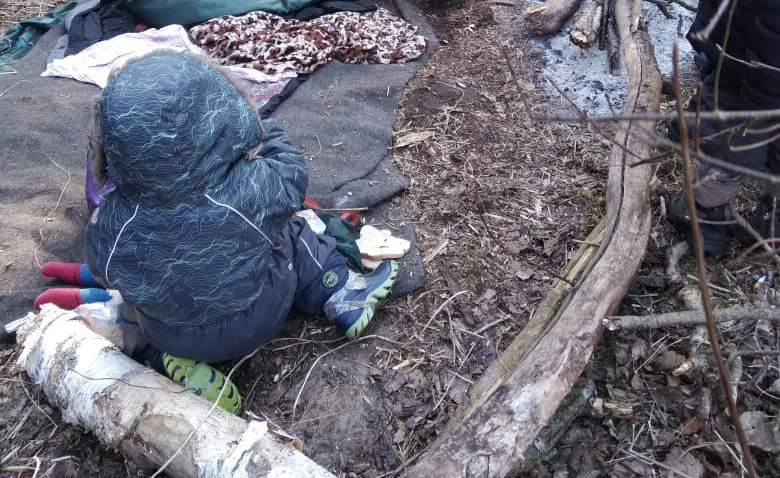
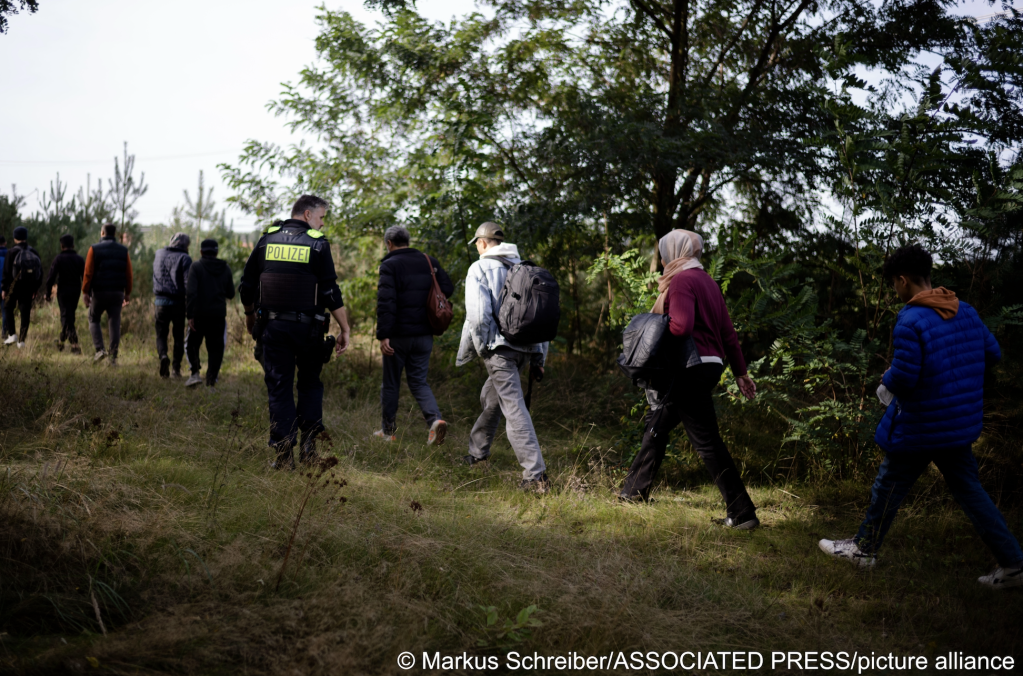
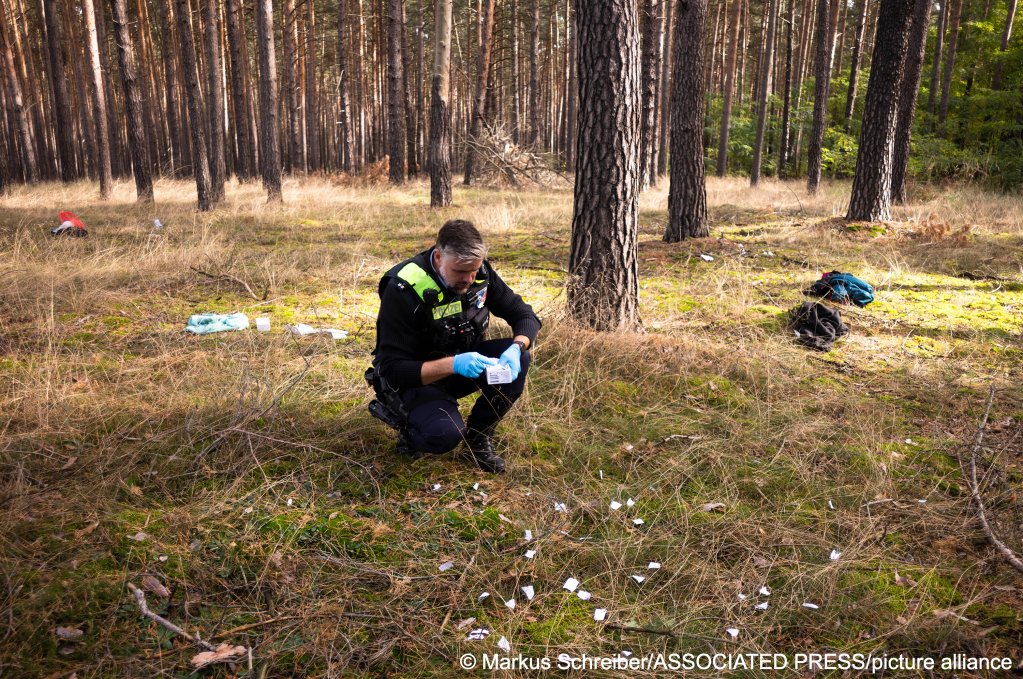
The group provides water, food, clothes, medicine, first-aid and warm meals and drinks to people on the move they find in the forest.
"There is not just one fence now," explains Marianna, "but plans for two more sets of razor wire, about ten meters apart."
'The border guards have cameras, heat sensors and drones'
"The border guards have cameras,heat sensors, drones to detect people," adds Rumienczyk, "but with just one fence, sometimes by the time they had detected them and sent a team, the people might have escaped in the forest. The idea behind the additional barriers is to try and block people in the border zone so they can be more quickly caught and sent back."
Also read: Poland sends extra troops to Belarus border
"The new Vice-Minister of Internal Affairs is a professor specializing in migration at Warsaw University. His idea is to close the border as tightly as possible. He claims there will be no pushbacks at the border if no one tries to cross it, so this is his stance," says Rumienczyk, with a heavy-sounding irony in his voice. "It's like problem solved, there are no people, so there are no pushbacks.”
The language used, concedes Rumienczyk, has changed a little bit under the new government, but he wonders whether using better words will really help to fulfill the wishes of SIP and bring about a more humanitarian migration policy.
What we are seeing, says Rumienczyk, "is that anyone who is returned to the border line will be returned in a humanitarian and ethical way. So we will have humanitarian and ethical pushbacks, but still pushbacks."
2023 was a particularly violent year at the border
SIP has also called on the government to change laws regarding migration detention.
They have asked for "a reintroduction of the maximum duration of a stay in a detention center under the return procedure up to 12 months." They point out that "detention centers are places similar to a prison, albeit the persons staying there have not committed any crime."
Under current law, migrants can be held in detention centers for up to 18 months, writes SIP. The rooms they are held in are often smaller than those found in Polish prisons, with just two square meters per person of space required.
Also read: 2023 EU migration trends
The organization says "the problem of overcrowding of detention facilities should be addressed", and that children should not be detained.
In terms of the so-called pushback policy, SIP say they want an extension issued on the 7-day time limit for anyone to lodge an appeal against a decision to return them. In March 2023, the former government reduced the appeal time from 14-days to just seven.
'Schizophrenic attitude' of new government
"The time limit for lodging an appeal …is too short and makes it impossible for migrants to exercise their right to have the case examined," notes SIP.
"Last year was a particularly violent year at the border," says Rumienczyk. "We heard reports that not just the Belarusian police but also the Polish police had been violent. We saw evidence that people had been subject to violence but we cannot prove who carried out that violence. The new government has promised there will be no violence at the border."
Also read: Rights groups warn of falling temperatures after migrant death
Rumienczyk feels there is a "schizophrenic" attitude opening up in Poland under the new government. The "racist rhetoric" used by the previous government has gone, admits Rumienczyk. "But the first thing our new Prime Minister said that the first thing that needs to be done is that Poland needs to secure its border, which begs the question from what? And obviously the answer is people trying to cross."
He points to a Christmas Eve reception at the Parliament, held by the new Marshal of Sejm (the lower chamber of the Polish Parliament) Szymon Holownia, whose party Polska 2050 is a member of the new government. Refugees were invited to meet new members of the administration. At the same time, border force officers were pushing people back in the forest towards Belarus.
Migrant children born in Poland
The SIP group have asked the new government to look into the current legal situation regarding children born in Poland to parents found to be "illegally staying on Polish territory." At the moment, that child is also considered to be an "undocumented migrant." The group wants the government to allow children to become "legal residents in Poland for a period of 12 months from their date of birth."
They also ask for migrants to be allowed to work in Poland during their legalization procedure "if they hold a work permit." They say the "excessive length of administrative procedures for legislation of stay may lead to a situation where a migrant, despite his legal residence in Poland, is deprived of the right to legal and gainful employment for many months or even years."
Also read: Irregular migration in Germany drops due to border checks
Marianna points out that Poland, like many states in Western Europe, is also facing a declining birth rate and will actually need migrants in the future, so giving them a realistic possibility of staying in the country and supporting themselves would benefit everyone in society.
At the moment, most migrants want to leave Poland for other countries in Europe. But Marianna says that when she speaks to migrants at the border, most are not looking for welfare benefits, but rather the right to work so they can support themselves and their families.
'They have never done anything bad to us'
Marianna said she would like for the whole of European society to start looking at migration and those on the move in a different light.
"People always want to say that they are 'bad people', but I have met a lot of people coming across and they have never done anything 'bad' to us. Most of them have nothing, yet not once have they tried to steal our phones or equipment. We haven’t heard any reports of people stealing from locals either, even when their children might be starving," she says.
Finally, SIP calls on the government to give refugees in Poland the right to family reunification "without having to meet the requirements of health insurance, stable income and residence."
Rumienczyk doesn’t seem to hold out much hope of change from the current administration. He points to the fact that up until now, there has not been any announcement of investigations into the previous government’s policies at the border, or allegations of violence carried out there.
"In Polish, we have a saying which describes superficial changes -- perfuming a corpse -- and this is the best way to describe changes currently taking place within the Border Police," says Rumienczyk.
"We have a new Commander in Chief and a new spokesperson who took the place of Anna Michalska. Michalska was very well known for defending the policy of pushbacks, she was dubbed the 'face of the humanitarian crisis,'" he continued.
Rumienczyk explains that although the changes might appear to mark a new era, he fears the new personnel "will have to do the same, as the policy at the border is not likely to change."
All that Grupa Granica can do is look ahead to the spring, when they expect greater numbers of migrants to start crossing once again, he says. At that point, teams on the ground will be ready with help and support, extending their own form of humanitarian welcome, even if nothing changes in official policy.