
Spain's Supreme Court ruled on Monday that sending back unaccompanied child migrants to Morocco in May 2021 was 'illegal'. These repatriations had taken place in the aftermath of a border crossing attempt by a large number of migrants into the Spanish exclave of Ceuta.
Spain’s Supreme Court has ruled that the decision to send back dozens of unaccompanied child migrants in May 2021 from the Spanish exclave of Ceuta to Morocco was illegal. There were "hundreds" of unaccompanied children among those sent back, many of them believed to be originally from sub-Saharan African countries, reported the news agency Associated Press (AP).
Under the law, each minor should have been entitled to an "individual administrative procedure" before any potential deportation, the court said in its ruling, reported the French news agency Agence France Presse (AFP).
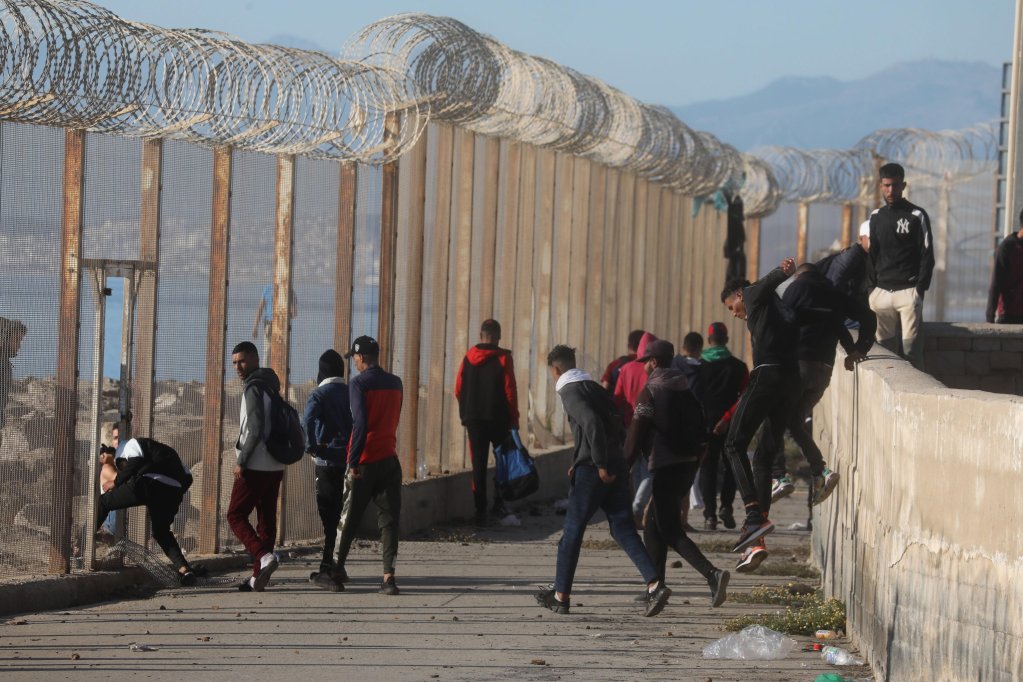
Back in May 2021, more than 10,000 migrants scaled a border fence and swam around piers from Moroccan territory to Spanish territory on the African continent. Dozens of unaccompanied minors were also among the thousands that made it into Spanish territory while the Moroccan border guards stood by and watched.
Sent back under a bilateral agreement, argued Spain
This mass border crossing followed a diplomatic dispute between Spain and Morocco after Madrid decided to offer medical treatment to the leader of the independence movement, the Polisario front in the disputed territory of Western Sahara. The territory was occupied by Spain until 1975 and then Morocco annexed it.
After the border crossing, thousands of the migrants who entered were sent back to Morocco. But then legal action started by migrant rights campaigners led to court in Ceuta, which ruled in August 2021 that the repatriation of a group of unaccompanied minors who arrived in May should be suspended.
The Spanish government then appealed this ruling, but on Monday, Spain’s Supreme Court dismissed the appeal, "arguing the minors' expulsion violated domestic immigration laws as well as the European Human Rights Convention," reported AFP.
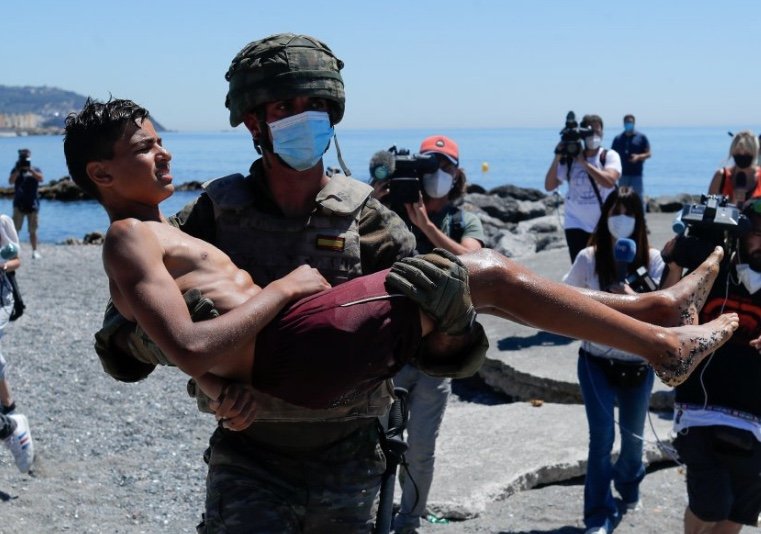
Minors expelled 'faced a serious risk of physical or mental suffering'
The minors who were expelled, said the court, faced a "serious risk of physical or mental suffering [as a result of] a collective expulsion of foreigners" prohibited by the European Convention on Human Rights.
In its appeal, the Spanish government had argued that it was able to return the migrants on the basis of a 2007 bilateral agreement between Spain and Morocco. This agreement permitted the return of individuals, including minors, in "exceptional circumstances." The government argued that the unprecedented arrivals exceeding 10,000 in a single day constituted such exceptional circumstances.
Spain’s Interior Ministry, reported AP, also said that many of the migrants "wanted to go home." However, under international law, Spain would be legally obliged to care for young migrants until they turn 18.
Fewer arrivals in Spanish exclaves this year
Fences surround both Ceuta and its fellow exclave on the African continent, Melilla. The fences and security were erected to try and prevent unchecked migration into European territory. However, there is frequent traffic across the borders as many Moroccan nationals rely on work in the exclaves and commute daily.
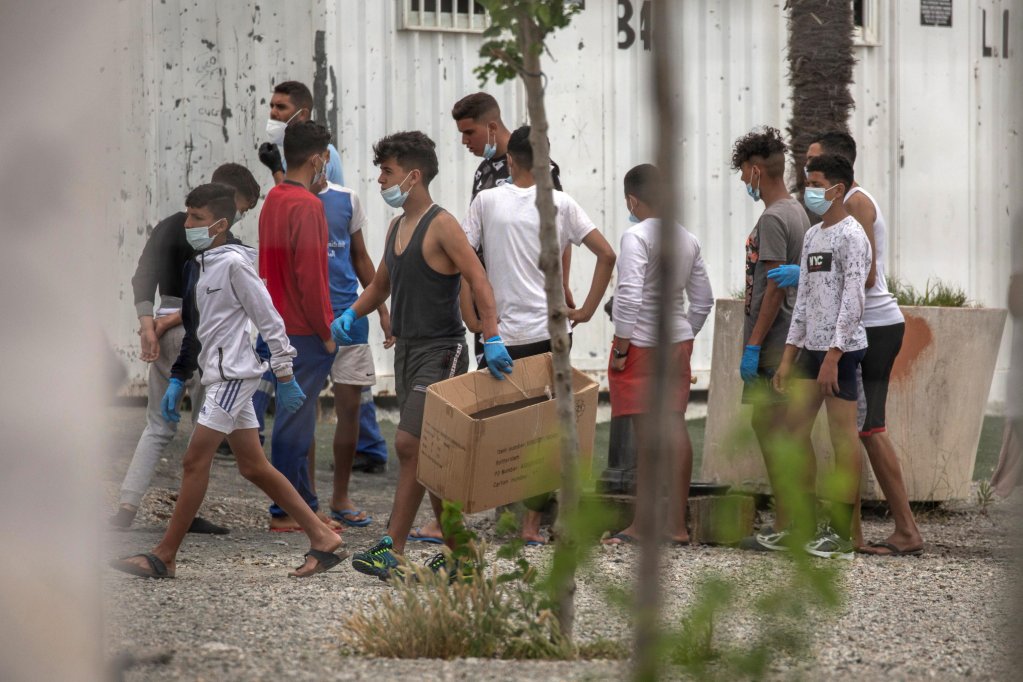
Since those mass crossings, the numbers making it into Ceuta and Melilla has greatly diminished. Since the beginning of the year, for instance, according to figures released by the UN Refugee Agency (UNHCR), and last updated on January 14, 20 migrants have crossed into Melilla and 19 into Ceuta. By contrast, more than 3,000 have arrived by boat on the Spanish Canary Islands, the archipelago in the Atlantic Ocean off the coast of West Africa.
With AFP, AP