
The Finnish authorities have reported around 160 asylum seekers ‘missing’ after they crossed the country’s eastern border with Russia in the last few months. Some who went missing have turned up in other EU countries, but not all.
Between August and December 2023, more than 1,000 migrants crossed the border from Russia to Finland and sought asylum. About 900 of them made the crossing in November and about 300 in December, reports the news agency Reuters.
According to Migri, the Finnish migration authority, a total of 1,323 asylum applications were filed at the eastern borders between November and December 2023.
Also read: Stuck at the Finland-Russia border, 'I feel I will die here in the cold'
Antti Lehtinen, Migri’s Director of the Asylum Unit, told Reuters that 160 of those people are now missing from reception centers and their locations are unknown. 18 of those who were missing have turned up later in other EU countries, including the Netherlands, Belgium, Norway, Sweden, France, Germany and Switzerland. There they have reportedly refiled their asylum application.
'It is possible that most ...have continued to another country'
"It’s of course possible that of these 160 most of them have continued to another country, but they haven’t yet applied for asylum in that country," Lehtinen told Reuters.
Under the so-called Dublin regulation, asylum seekers must apply for asylum in the first EU country they enter. According to the regulations, they may be sent back to the country where they were initially fingerprinted to continue their asylum application. However, after a certain period, this provision expires, allowing a migrant to submit a new asylum application in the new country if they manage to stay under the radar for long enough.
This may be the intention of some of those who have gone missing.
Also read: How asylum seekers pay to cross Finnish-Russian border
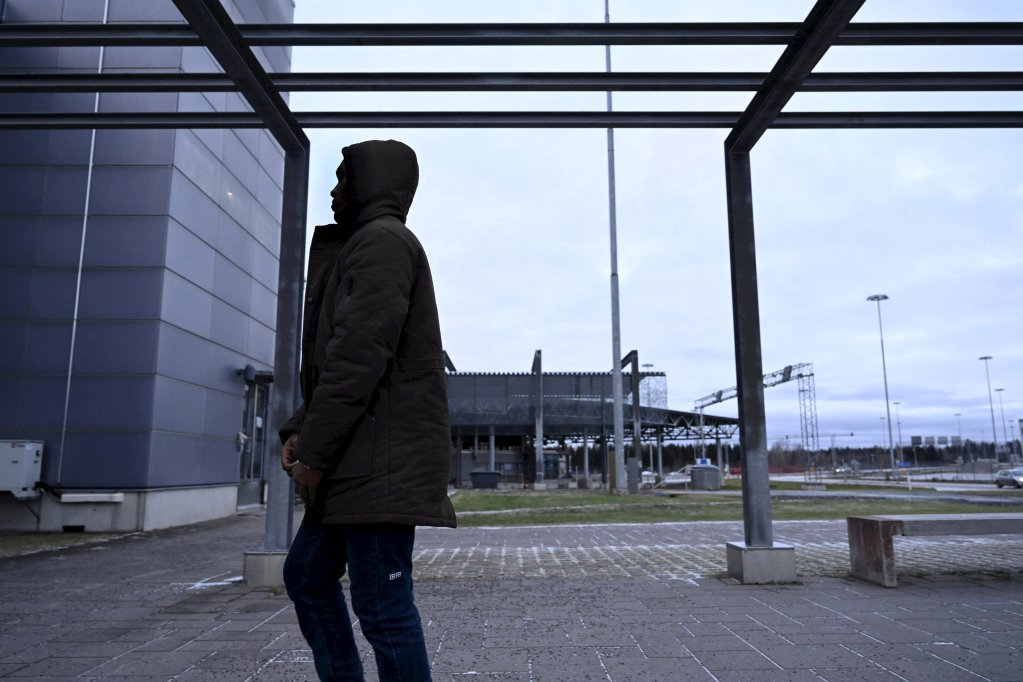
Last year, Finland gradually closed its eight border crossing posts with Russia, to try and prevent the arrival of migrants by that route in such extreme cold. They remained closed from December 15. On January 11, authorities extended the closures for an additional month until February 11. The Finnish authorities stated that they were worried the route would be revived if they opened the borders once again.
'There are people in nearby areas waiting for the border to open'
Accouncing the extensions at a news conference, Finland’s Interior Minister Mari Rantanen said: "There are people in nearby areas waiting for the border to open," reported AP.
Most of the migrants that arrived in the final months of 2023 were reported to come from countries in the Middle East and Africa, most frequently from Syria, Somalia and Yemen.
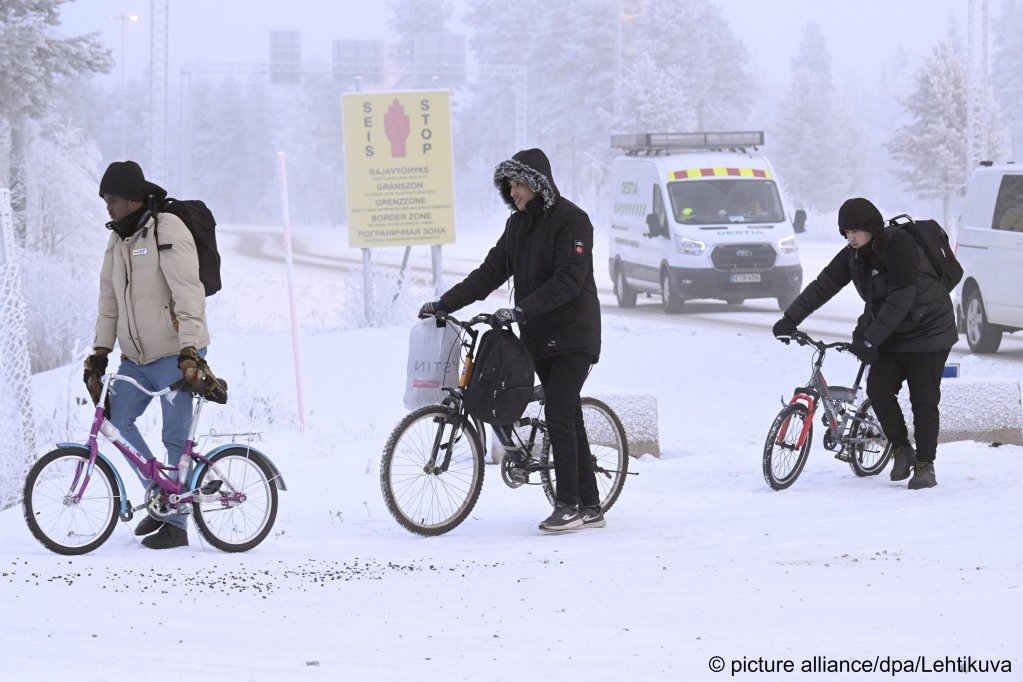
Those who have sought asylum in Finland are kept in reception centers while waiting for their decision.
Many in Finland blame Russia for orchestrating the arrival of greater numbers of migrants via the eastern border. Some think it is "hybrid warfare" as a kind of retaliation after Finland finally joined the NATO pact after years of remaining neutral in deference to its powerful neighbor, with whom it shares a 1,340-kilometer border.
Finland calls on EU for solutions
Finland's president Sauli Niinisto already called upon the EU to find an EU-wide solution to try and stop "uncontrollable entry to Europe’s passport-free Schengen zone," reported Reuters.
Last Thursday, (January 18), a Finnish Board Guard unit said they were busy investigating several cases where they suspected people of "assisting illegal immigration" at the eastern border and being part of "criminal organizations" carrying out "large-scale human smuggling."
In a statement, the border guard said: "Smuggling activities have taken advantage of the border security disruptions on the eastern border."
Also read: Finland begins construction of Russian border fence
At the beginning of January, Migri released a press statement saying they were putting out for tender the running of reception centers in the country. This was not to expand the number of places but to make sure that the running of the centers was put out to competition. According to Migri, Finland currently has 93 centers. It also has secondary branches and service points for clients in private accommodation.
"Approximately 36,000 are currently registered as clients in the reception system," states Migri in the press release on January 4. 38% of them live in private accommodation, and 38% of them live in private accommodation. Most clients are people who have fled Ukraine."
There are three centers maintained by the Finnish immigration service, in Helsinki, Lappeenranta (Joutseno) and Oulu.
With Reuters, AP